


Baby skin is thin, delicate, and far more reactive than ours — and for the many little ones prone to dryness or eczema, the wrong clothing can mean redness, itching, and restless nights. The good news is that a few simple choices about fabric, fit, and washing can make a real difference. Here's what to look for when choosing baby clothes for sensitive skin.
A quick note: this is general guidance, not medical advice. If your baby has persistent or severe eczema, always follow your pediatrician or dermatologist.
Why fabric matters so much
A baby spends almost all day and night in clothing, so whatever touches their skin matters. Rough textures, trapped heat, and residue from harsh detergents are common triggers for irritation and eczema flare-ups. Choose soft, breathable, natural materials and you remove several of those triggers at once.
What to look for
- Natural, breathable fabrics — soft cotton, muslin, and bamboo top the list. They let skin breathe and are far gentler than most synthetics.
- A soft, smooth weave — the fabric should feel gentle to your hand; if it feels rough to you, it will to your baby.
- A relaxed fit — loose clothing reduces rubbing and lets air circulate, which helps calm irritated skin.
- Flat or minimal seams — bulky inside seams can chafe sensitive spots.
- Tagless or printed labels — scratchy sewn-in tags are a classic irritant; look for tagless designs or snip tags out.
- Gentle, low-impact dyes — simple, lightly colored or undyed pieces mean less dye against the skin.
- Easy fastenings — snaps and soft closures make dressing gentle and quick, which matters during a flare.
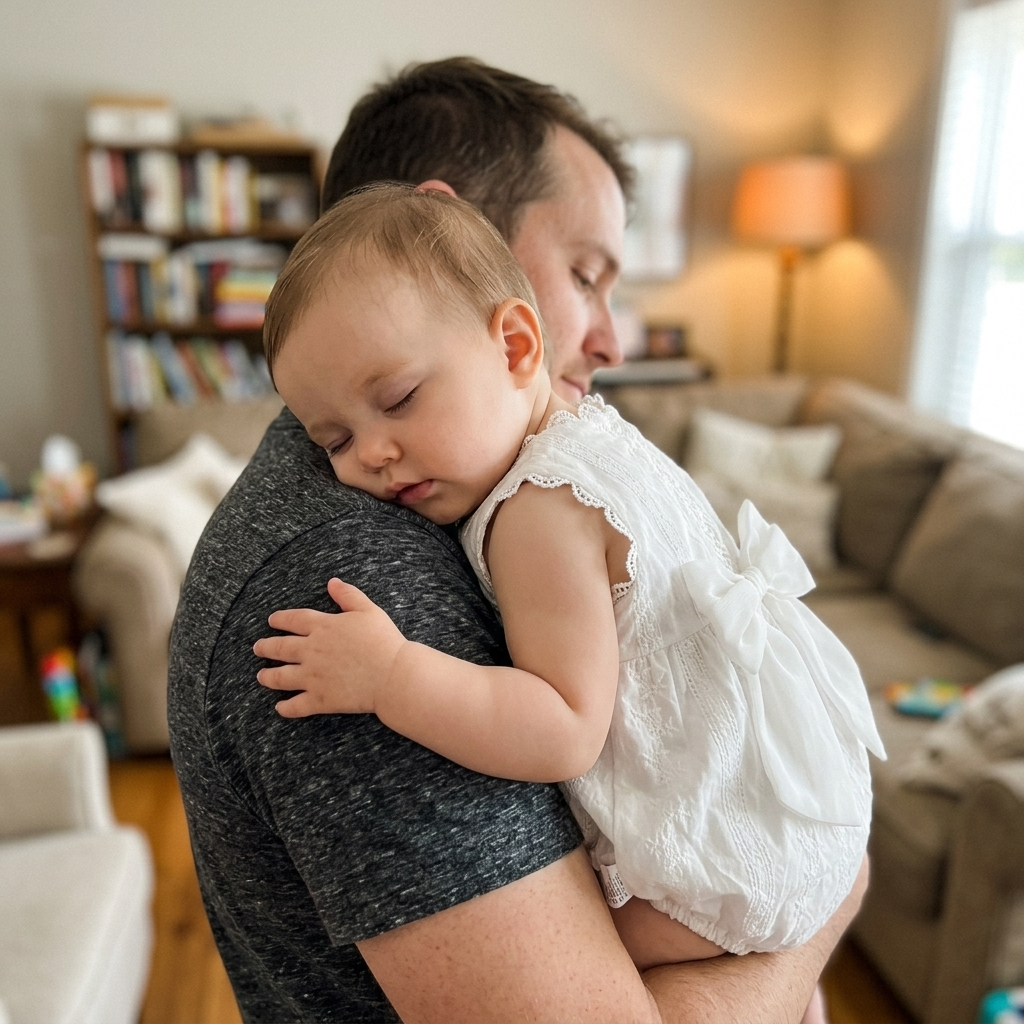
A simple, soft cotton piece is often the kindest choice of all. Our White Cotton Sleeveless Romper ticks the sensitive-skin boxes nicely: soft breathable cotton, an undyed clean white, a relaxed cut, and gentle snap fastenings — an easy everyday staple with nothing to irritate delicate skin.
Fabrics that help — and ones to be careful with
Best bets: cotton and muslin for breathability, and bamboo for its exceptionally smooth, silky fibers, which many parents find especially kind to eczema-prone skin. Certified organic versions of these fabrics also cut down the chemical residues that can trigger flare-ups — see our guide to the best organic cotton baby clothes for what to look for.
Approach with care: rough or heavy synthetics that trap heat, and wool worn directly against the skin, which can feel scratchy for sensitive babies (a soft cotton layer underneath helps). Also watch for stiff appliqués or sequins sitting against the skin.
Don't forget breathability
Overheating and sweat are major eczema triggers, so keeping your baby cool is just as important as what the fabric is made of. Lightweight, airy layers let heat and moisture escape instead of building up against the skin. This is where muslin really shines — its open weave is wonderfully breathable, making it a great choice for warm days, naps, and layering.
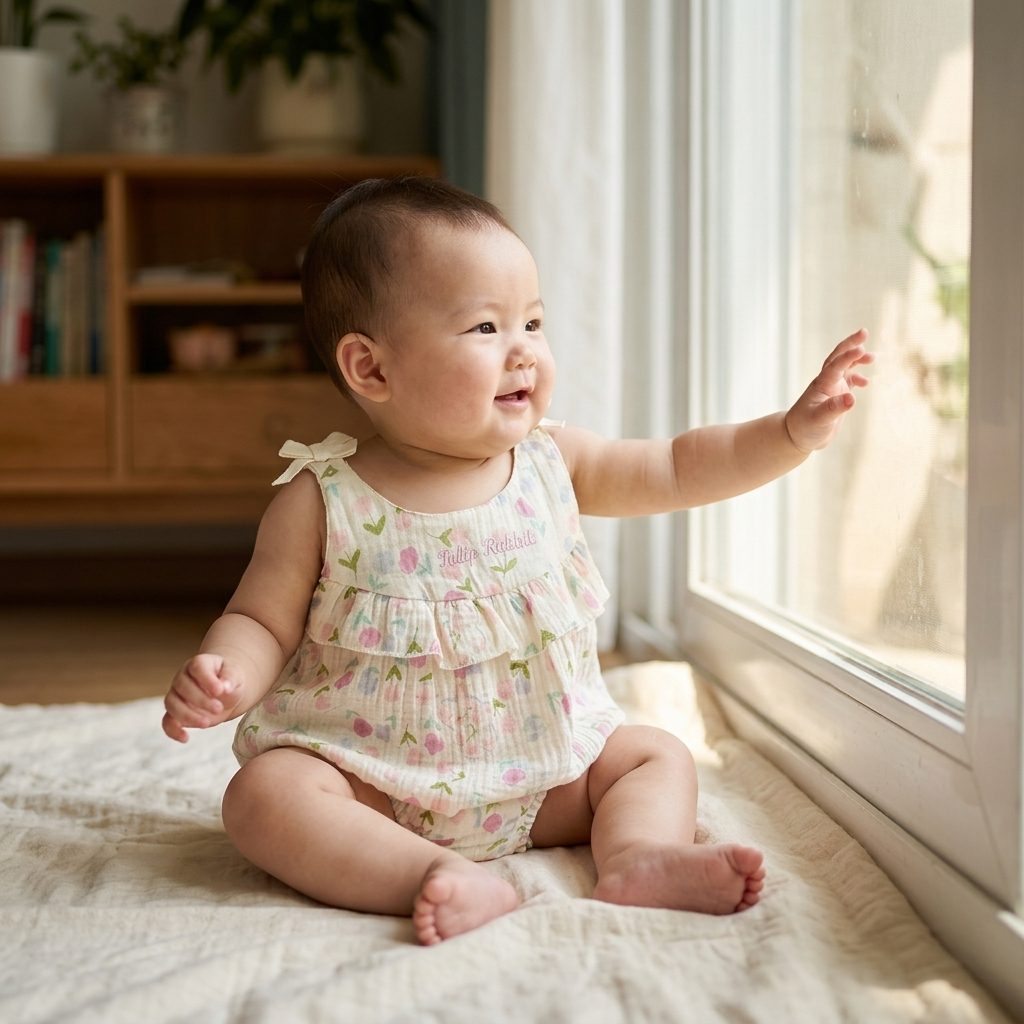
Our Watercolor Tulip Muslin Romper is a lovely lightweight option: airy cotton muslin that keeps babies cool and comfortable, with a soft, relaxed feel that's gentle on the skin all day.
Washing matters just as much
Even the softest clothes can irritate if they're washed the wrong way. For sensitive skin:
- Use a fragrance-free, dye-free detergent — perfumes and additives are common irritants.
- Skip the fabric softener — it leaves a residue that can bother delicate skin and reduce breathability.
- Rinse thoroughly — an extra rinse cycle helps remove any leftover detergent.
- Always wash before first wear — new clothes can carry manufacturing residues.
- Wash new pieces separately at first if your baby is very reactive.
Dressing during a flare-up
When skin is inflamed, keep things loose, light, and layered in soft cotton so you can adjust to avoid overheating. Choose pieces that are easy to put on and take off without tugging, and stick to your gentlest, most-washed items — the ones that already feel buttery soft.
Frequently asked questions
Is cotton or bamboo better for eczema? Both are excellent — cotton and muslin are breathable and gentle, while bamboo's ultra-smooth fibers are especially soft. Many parents keep a mix.
Should clothes be loose or fitted for sensitive skin? Loose is usually better — it reduces rubbing and lets air circulate.
How should I wash sensitive-skin baby clothes? Fragrance-free detergent, no softener, an extra rinse, and always wash before the first wear.
The bottom line
For babies with sensitive or eczema-prone skin, aim for soft, breathable natural fabrics like cotton, muslin, and bamboo; a loose fit with flat seams and no scratchy tags; simple, gentle dyes; and careful, fragrance-free washing. Small choices, but together they help keep delicate skin calm, cool, and comfortable — day and night.