


Sleep is everything when you have a newborn. And while most parents focus on routines, white noise, and feeding schedules, what baby actually wears to bed has a bigger impact on sleep safety and comfort than many realize.
Here's what pediatricians recommend, how to choose the right pajamas for your baby's age and season, and what to avoid entirely.
The #1 Sleep Safety Rule: No Loose Blankets in the Crib
The American Academy of Pediatrics (AAP) recommends that babies under 12 months sleep on a firm, flat surface with no loose bedding, pillows, bumpers, or soft objects in the sleep space. This is the single most important sleep safety guideline for infants.
This is exactly why what baby wears to bed matters so much — clothing has to do the job that blankets would otherwise do. The right sleepwear keeps baby at a safe temperature without introducing anything that could shift over their face during sleep.
The Best Sleepwear by Age
0–3 Months: Swaddle or Sleeper
Newborns sleep best when they feel snug and contained. Options:
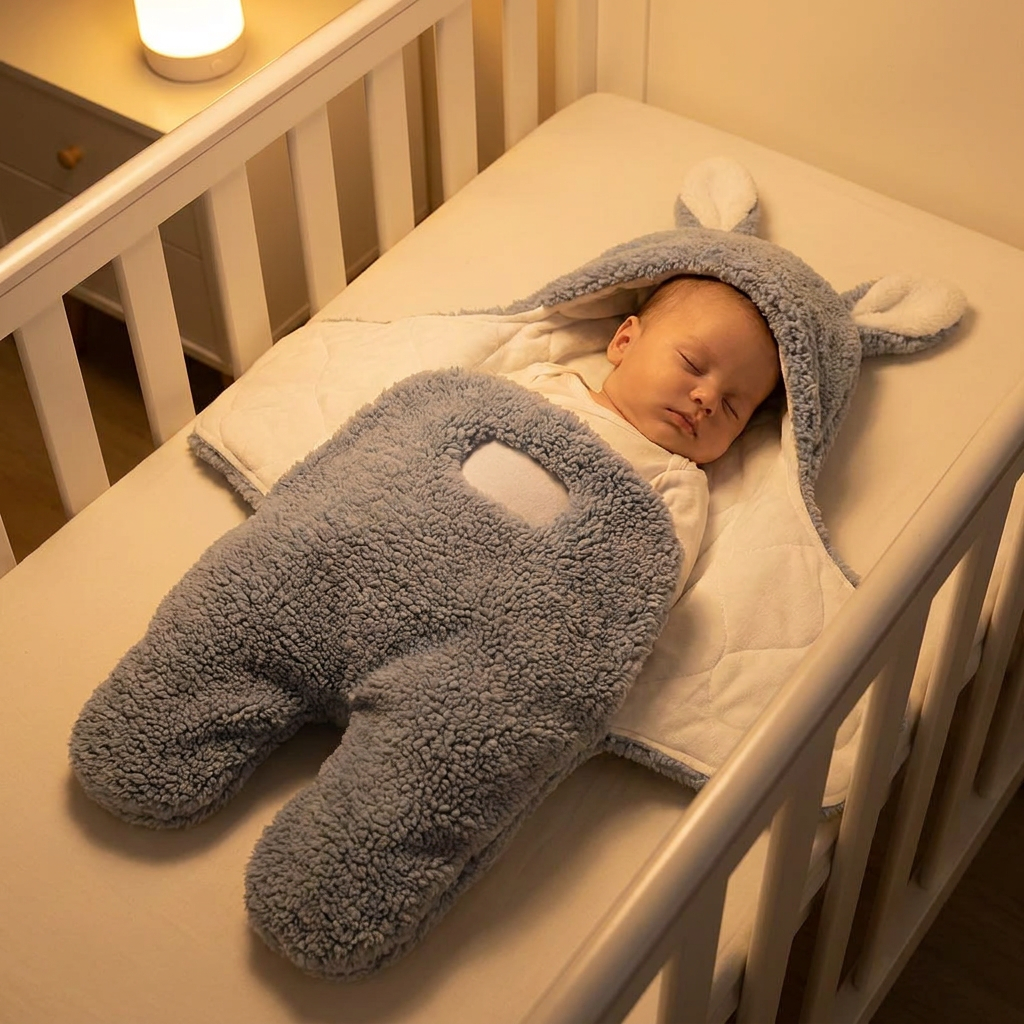
- Swaddle blanket + onesie underneath — Use a proper swaddle technique or a swaddle sack with wings. Stop swaddling as soon as baby shows signs of rolling (usually 2–4 months).
- Footie pajamas / sleepers — A single layer that covers everything. Look for a two-way zipper for nighttime changes without fully undressing baby.
- Sleep sack over a bodysuit — Once swaddling ends, this is the go-to combination. The sleep sack replaces the blanket safely.
3–6 Months: Transition to Sleep Sack
This is when most babies stop being swaddled. A wearable blanket (sleep sack) becomes the primary sleep layer. A short or long-sleeve bodysuit underneath — depending on room temperature — completes the setup.
6–12 Months: Sleep Sack Continues
Continue with a sleep sack throughout the first year. Baby is more mobile now — sleep sacks allow leg movement (especially split-leg designs) while keeping the core warm and safe.
How to Dress Baby for Sleep by Room Temperature
Room temperature is the key variable. The AAP recommends keeping the nursery between 68–72°F (20–22°C). Here's how to layer:
- Above 75°F (24°C): Diaper only, or a very light short-sleeve bodysuit. A 0.5 TOG sleep sack if needed.
- 72–75°F (22–24°C): Short-sleeve bodysuit + 0.5 TOG sleep sack.
- 68–72°F (20–22°C): Long-sleeve bodysuit or light footie pajamas + 1.0 TOG sleep sack.
- 64–68°F (18–20°C): Warm footie pajamas or fleece sleeper + 2.0–2.5 TOG sleep sack.
- Below 64°F (18°C): Warm fleece pajamas + 3.5 TOG sleep sack, or add a long-sleeve layer under the sleep sack.
Quick check: feel the back of baby's neck during sleep. Warm and dry = just right. Hot and sweaty = overdressed. Cool = add a layer.
What to Look for in Baby Pajamas
- Two-way zipper — Opens from the bottom for nighttime diaper changes without fully waking baby. Non-negotiable for the newborn stage.
- Snug or fitted cut — The Consumer Product Safety Commission requires that baby sleepwear either be snug-fitting or made from flame-resistant fabric. Snug-fitting organic cotton is the most natural choice.
- No drawstrings, hoods, or loose embellishments — These are hazards in a sleep environment. Keep nightwear simple.
- Breathable fabric — Organic cotton and bamboo are ideal. They regulate temperature and wick moisture, reducing the risk of overheating.
- Flat seams — Avoid raised or thick seams that press into sensitive skin over hours of sleep.
Sleep Sacks vs. Blanket Sleepers: What's the Difference?
- Sleep sack (wearable blanket): Worn over pajamas, zips at the front or side, open at the bottom or with leg holes. The safest choice and what pediatricians recommend through the first year and beyond.
- Blanket sleeper / footie pajamas: A one-piece that covers the whole body including feet. Good as a standalone layer in warmer rooms or as the base layer under a sleep sack in cooler ones.
- Convertible sleep sacks: Feature a leg-zip or split design that allows baby to move legs freely or use as a stroller blanket. Great for active sleepers and transitions.
Signs Your Baby Is Too Hot or Too Cold While Sleeping
Too hot:
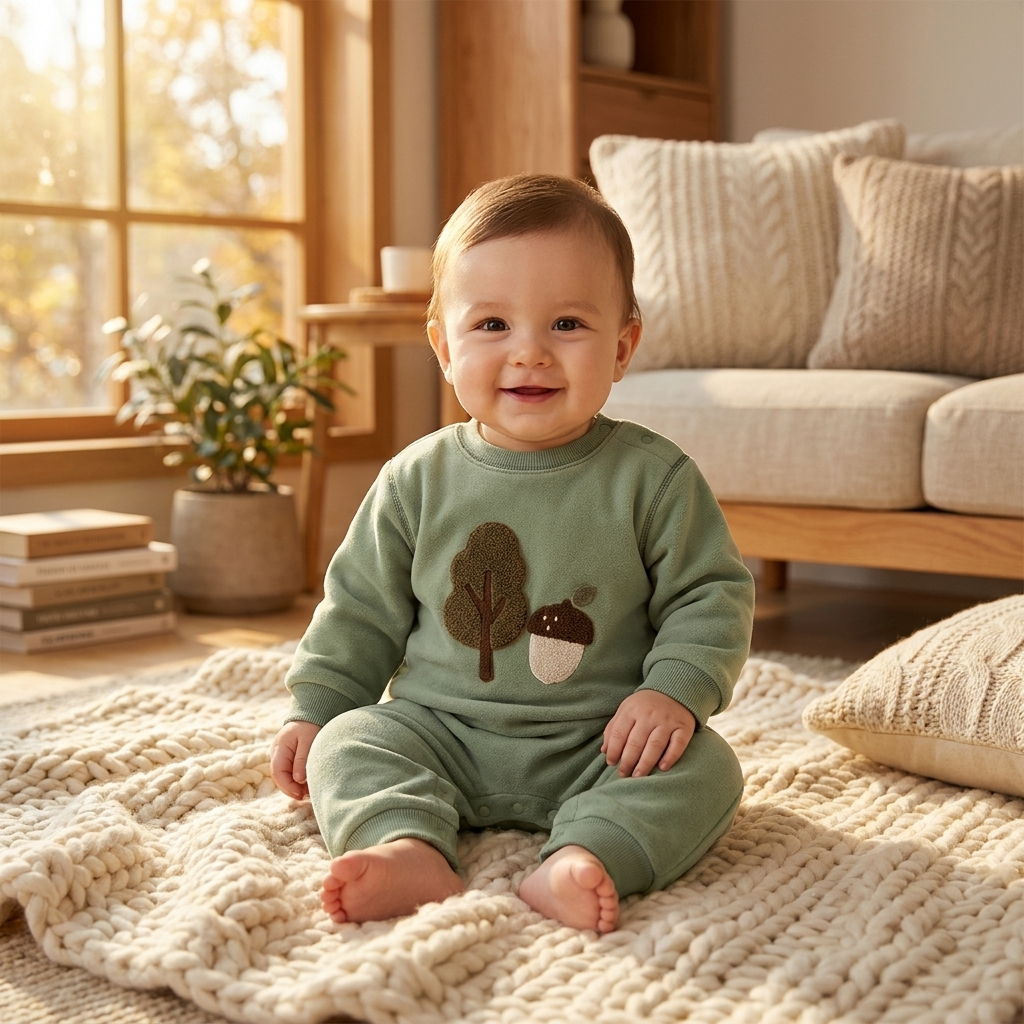
- Sweaty neck or damp hair
- Flushed, red cheeks
- Rapid breathing
- Restless, frequent waking
Too cold:
- Cool chest or back (hands and feet are naturally cooler — use chest as your guide)
- Curled-up body position
- More frequent waking than usual
Sleep Essentials at Mimou Babywear
Our sleep collection is built around one priority: keeping baby safe, comfortable, and at the right temperature all night long. From lamb velvet split-leg sleep sacks for newborns to convertible stroller-ready designs for active movers, every piece is made from gentle organic and natural materials with flat seams, safe closures, and season-matched TOG ratings.
Browse the full Mimou sleep collection and build the nighttime setup that works for your baby — and finally lets everyone in the house get some rest.