


Once your baby outgrows swaddling, you're left with two main options for sleepwear: footed pajamas (also called footie sleepers or one-piece sleepers) or a wearable sleep sack. Both are safe, both keep baby warm — but they work differently, and the right pick depends on your baby's age, how much they move at night, and your room temperature.
What's the difference?
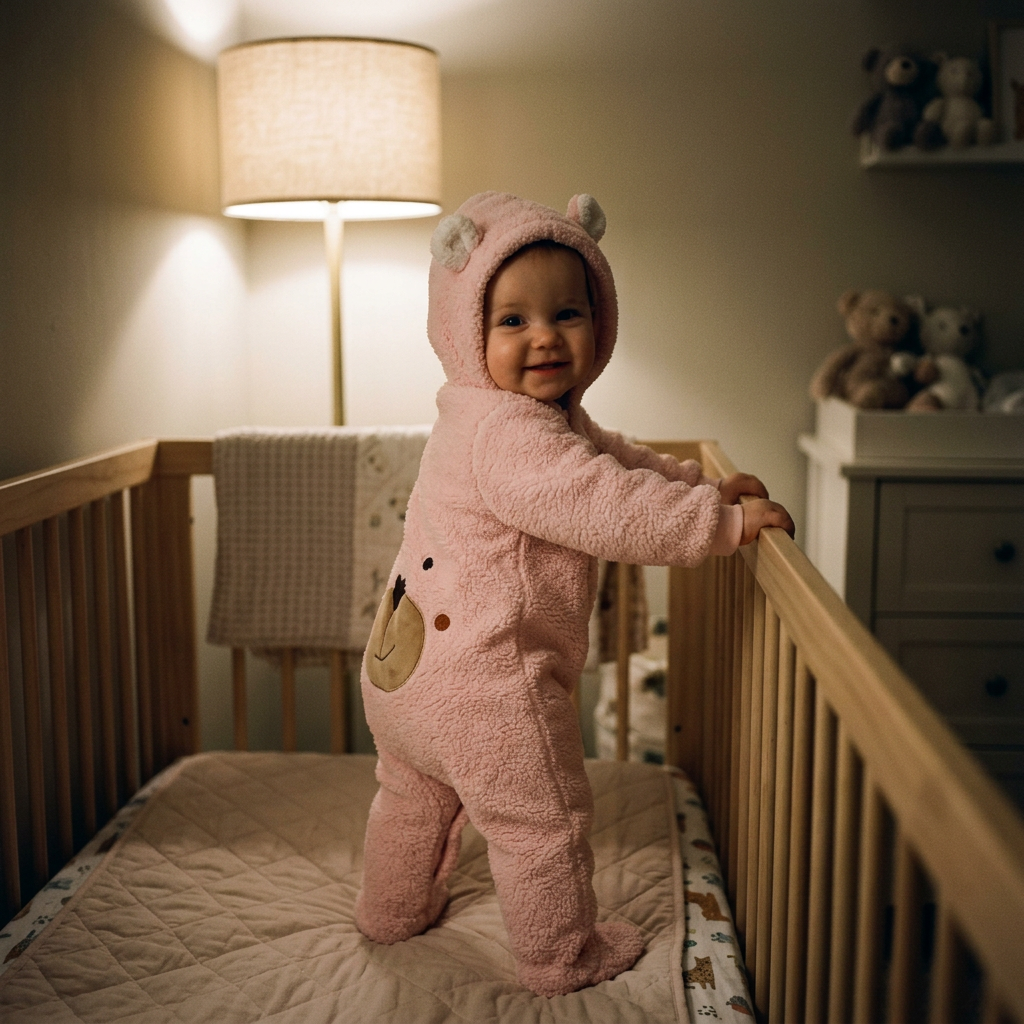
Footed pajamas are a one-piece garment that covers the arms, legs, and feet — essentially regular sleepwear with built-in socks. They fasten with zippers or snaps and let baby move freely, including rolling, crawling, or standing in the crib.
Sleep sacks (or wearable blankets) are a sack-shaped garment that covers the body from the shoulders down, with armholes but no legs. They replace loose blankets in the crib, which are a suffocation risk for babies under 12 months, and are considered a safe-sleep essential by pediatric sleep guidelines.
When footed pajamas make more sense
- Once baby is mobile. Crawlers, cruisers, and early walkers often move around more at night. Legs free to kick and climb can make footed pajamas more comfortable than a sack that restricts leg movement.
- Cooler rooms. A fleece or thicker cotton footed sleeper (like our Fleece Hooded Newborn Suit) adds warmth across the whole body, including feet, which a sleep sack alone doesn't cover.
- Layering underneath a sleep sack. Many parents use both together — footed pajamas as a base layer, sleep sack on top — for very cold rooms.
When a sleep sack makes more sense
- Newborns and pre-rolling babies. A sleep sack keeps the crib free of loose bedding while your baby isn't yet mobile enough to need kicking room.
- Consistent room temperature. TOG-rated sleep sacks make it easy to match warmth to room temperature without guessing at layers.
- Babies who fight zippers. Some babies find the open bottom of a sleep sack more comfortable than a snug footed cut.
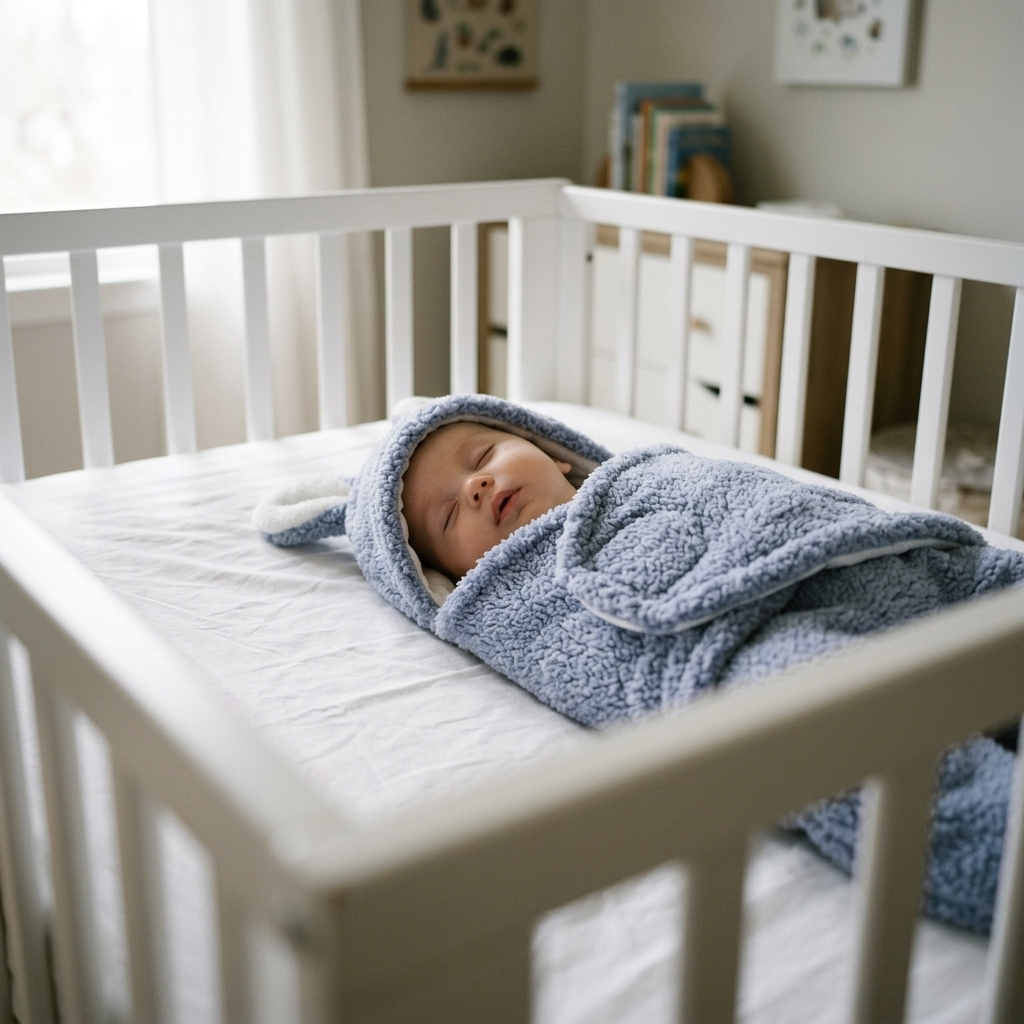
If you love the safety of a sleep sack but your baby is already on the move, a split-leg design bridges the gap. Our Lamb Velvet Split-Leg Sleep Sack gives you the wearable-blanket warmth and safety, with separate legs so crawlers and cruisers can still move around comfortably at night.
Safety basics either way
Whichever you choose, fit matters more than the label. Footed pajamas should be snug (not tight) through the body with room to wiggle toes — overly loose fabric bunching near the face is a hazard. Sleep sacks should fit around the neck and armholes so baby can't slide down inside. Avoid any extra loose blankets in the crib regardless of which sleepwear you use, and always follow safe sleep guidance from your pediatrician for room temperature and layering.
The bottom line
There's no single right answer — many families switch from sleep sacks to footed pajamas once their baby starts standing and climbing, then keep both in rotation depending on the season. Cotton or fleece footed sleepers are an easy year-round staple either way, since they double as daytime loungewear too.