


Between spit-ups, nappy leaks, and the general messiness of baby life, it's easy to wonder how often you actually need to change your baby's clothes. Change too little and things get uncomfortable; change constantly and you're drowning in laundry. Here's a simple, practical guide to how often to change a baby's clothes—and when it really matters.
There's no strict rule—use common sense
Babies don't need a fresh outfit on a fixed schedule. The honest answer is: change them when clothes are dirty, wet, or uncomfortable, and otherwise leave a clean outfit on. A baby who's had a calm, mess-free few hours doesn't need changing just because time has passed.
When you should change your baby's clothes
Some situations do call for a fresh outfit:
- After a nappy leak or blowout—the obvious one.
- After significant spit-up or dribble, especially if it soaks through.
- When clothes are damp, from sweat, drool, or a bath, since damp fabric gets cold and uncomfortable.
- If food or mess gets on them once your baby starts solids.
- Changing from day to night—a fresh set for sleep helps signal bedtime.
A rough daily rhythm
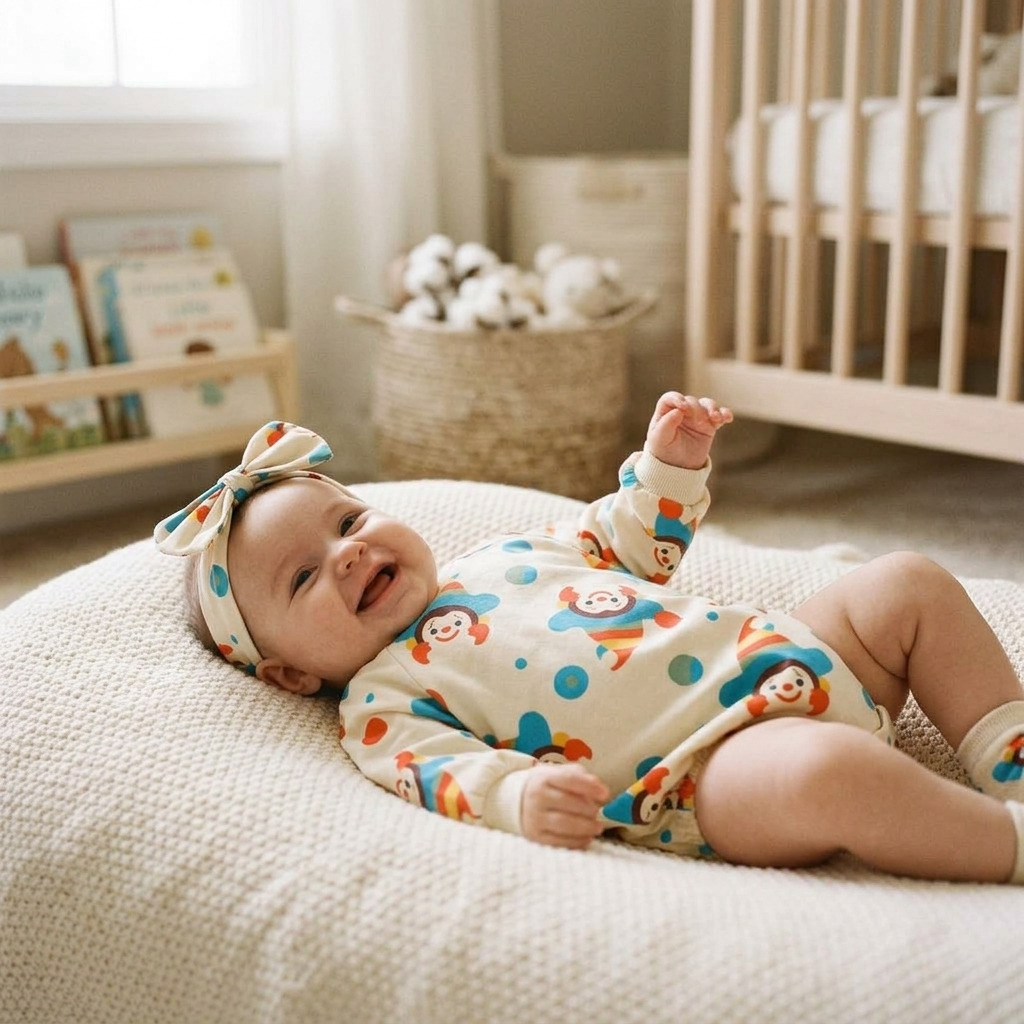
Every baby is different, but many families settle into something like this: a fresh outfit in the morning, a change into pyjamas or a sleep outfit at night, and spot-changes in between whenever a leak or spill happens. On a messy day that might mean several changes; on a calm one, just the morning and bedtime swap. Both are perfectly normal.
Day-to-night changes are worth keeping
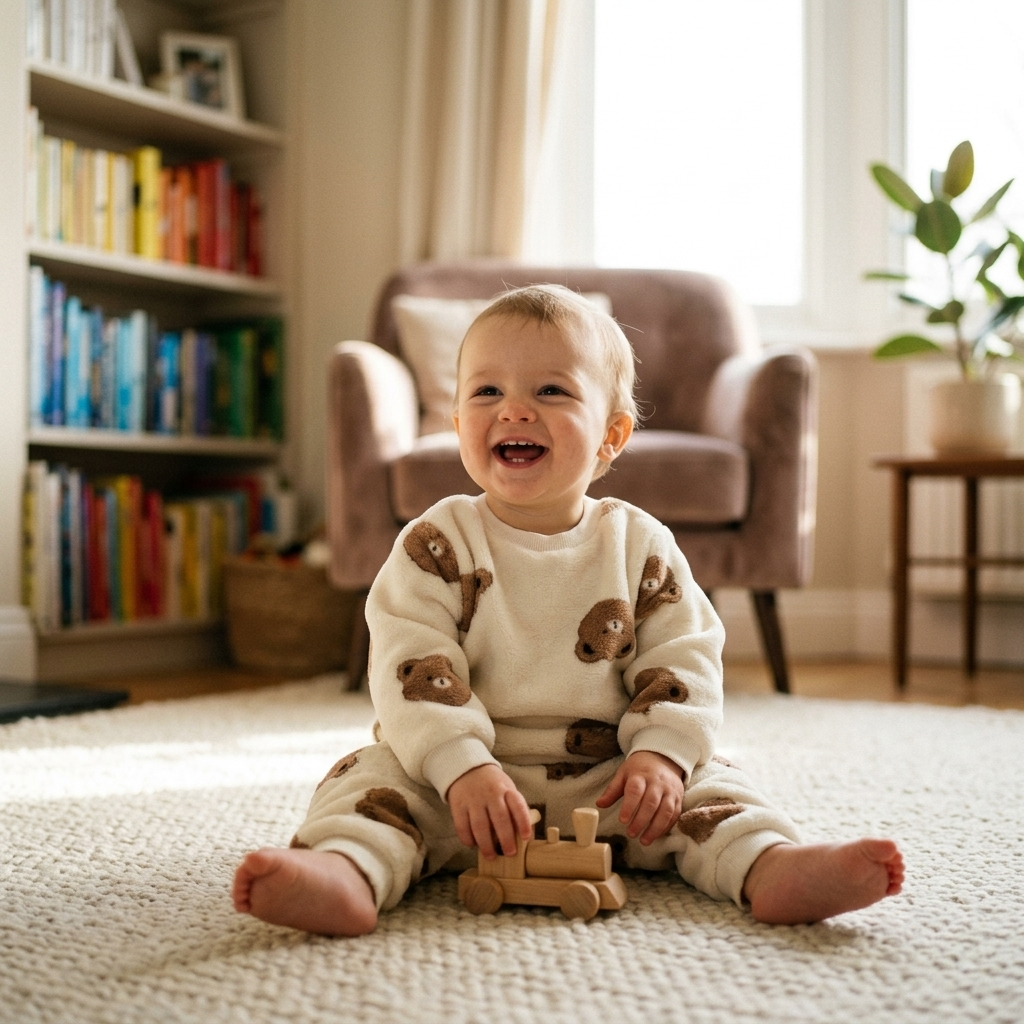
Even when the daytime outfit is technically clean, changing into dedicated sleepwear at night is a lovely little habit. It keeps sleep clothes fresh, and the routine itself helps your baby learn that bedtime is coming. A comfy, warm set makes an easy go-to.
Don't over-change—it's not always necessary
You don't need to change a clean, dry, comfortable baby just for the sake of it. Over-changing means more laundry, more fuss for your baby, and more wear on their clothes. If an outfit is genuinely clean, it's fine to keep it on. This is also why having the right number of everyday basics matters—enough to handle the messy days without overflowing the drawers. Our guide to how many baby clothes you actually need helps you get the balance right.
Keep changes gentle on skin
Frequent changing means frequent dressing and undressing, so soft fabrics and easy fastenings make a real difference—for comfort and for your sanity. And always keep a clean, freshly washed outfit ready for the inevitable surprise; see our guide on washing baby clothes before first wear.
The takeaway
Change your baby's clothes whenever they're wet, dirty, or uncomfortable, plus a day-to-night swap for sleep—not on a rigid schedule. Some days that's several changes, others just two. Keep enough soft everyday basics on hand to cover the messy days, and don't stress about changing a baby who's perfectly clean and content. For gentle, breathable everyday pieces, browse our organic cotton baby clothes.