


When a baby arrives much earlier than expected, everything feels tiny and tender — including the search for clothes that actually fit. If your little one is a micro preemie, you've probably discovered that even “newborn” sizes swallow them whole. This is a caring, practical guide to micro preemie clothing: what sizes the smallest babies wear, what to look for, and how to prepare for the journey home.
A note first: this is general guidance, not medical advice. While your baby is in the NICU, always follow your medical team on what your baby can wear and when.
What is a micro preemie?
“Micro preemie” is the term often used for the tiniest, earliest babies — generally those born before about 28 weeks or weighing under roughly 2 pounds (around 1 kg). These babies are remarkably small and spend their early weeks in the NICU, where warmth, feeding, and gentle handling all come first. Clothing becomes part of the picture a little later, as your baby grows and stabilizes.
What size clothes do micro preemies wear?
Standard baby sizing simply doesn't go small enough at first. As a rough guide:
- Micro preemie sizes are made for the smallest babies, often fitting from around 1–3 lbs.
- Preemie sizes typically fit up to about 5–6 lbs.
- Newborn sizes generally fit up to around 8–9 lbs.
Because every brand cuts a little differently, always check the specific size-and-weight chart before buying. Many families move through two or three sizes surprisingly quickly in the early months, so it's wise to buy just a few pieces per size at a time.
In the NICU, the medical team leads
In the earliest days, micro preemies often aren't dressed at all — incubators help regulate temperature, and easy access matters for monitors, lines, and gentle care. When your team says clothing can begin, they'll guide you on what's suitable. Specialized preemie clothing exists precisely for this stage, with wide openings and snaps designed to work around wires and tubes.
What to look for in micro preemie clothing
Whether for the NICU (with your team's okay) or for coming home, the same features make dressing gentler:
- Super-soft, breathable natural fabric — delicate skin does best in soft cotton or muslin that lets air through.
- Easy access — front-opening, side-snap, or wrap styles are far gentler than anything pulled over the head, and make room for monitors or lines.
- Flat, soft seams and no rough tags — tiny skin is sensitive, so the fewer scratchy points, the better.
- Simple, gentle fastenings — snaps that open flat make dressing quick and calm.
- A relaxed, not tight, fit — room to move without bunching.

Preparing for the journey home
As your baby grows and gets ready to come home, they'll gradually move from micro preemie into preemie and then newborn sizes. This is the point where you'll start building a small everyday wardrobe of soft, simple pieces — nothing fussy, just gentle fabrics that are easy to put on and take off.
Breathable muslin is a lovely choice for delicate skin as your baby sizes up. Our Little Dino Muslin Romper is light, airy, and soft against the skin — an easy option for warmer days once your little one grows into newborn sizes.
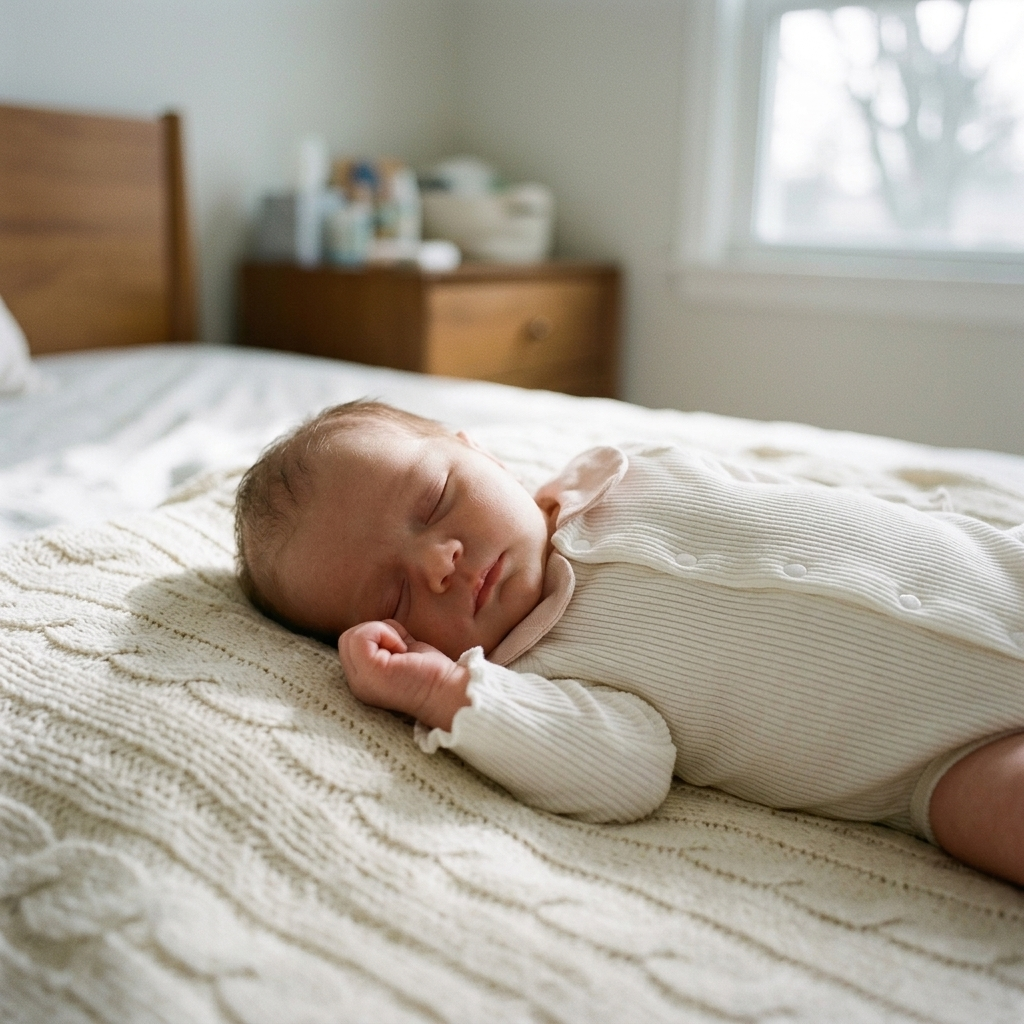
Soft cotton bodysuits are the everyday backbone of those first months. Our Peter Pan Collar Bodysuit is a gentle, breathable cotton piece for when your baby is ready for newborn and beyond — soft, simple, and easy to layer.
Not sure which size to reach for as your baby grows? Our premature clothes size chart breaks down sizes by weight to take the guesswork out of those first purchases.
Caring for tiny clothes
Wash everything before the first wear, using a fragrance-free, dye-free detergent and an extra rinse to remove any residue. Skip fabric softener, which can leave a coating on delicate fabrics, and air dry or tumble dry low to keep pieces soft.
The bottom line
Dressing a micro preemie starts small — quite literally — and grows gentler and easier with time. Look for the tiniest sizes in soft, breathable fabrics with easy-open styles and flat seams, lean on your NICU team while your baby is in their care, and build a small, soft wardrobe as your little one grows toward coming home. Every ounce and every milestone is worth celebrating.