

“Newborn” and “0-3 months” sound almost interchangeable — but on a baby-clothes label they mean two different sizes, and mixing them up is one of the most common (and expensive) shopping mistakes new parents make. Here's a clear, simple guide to the difference, which size to buy, and how to know when it's time to move up.
What does “newborn” size mean?
Newborn (often shown as “NB”) is the smallest standard size, designed for the first days and weeks of life. As a rough guide, it typically fits babies up to around 7–9 lbs and about 21–22 inches long. It's snug and short in the body — perfect for a brand-new baby, but many little ones grow out of it within just a few weeks. Some bigger babies skip it altogether.
What does “0-3 months” mean?
Despite the name, “0-3 months” isn't really for day one — it's the next size up. It generally fits babies from about 8–12 lbs and up to roughly 3 months old. There's more length in the body and legs, so it lasts longer and gives a bit of growing room. If you only bought one size, this is usually the more practical one.
So what's the actual difference?
The gap between them is only a few pounds and an inch or two of length — but on a tiny baby that matters. Newborn is cut smaller and shorter; 0-3 months is roomier and longer. Put a 9 lb baby in newborn size and it'll already be tight; put the same baby in 0-3 months and there's comfortable room to move. The trade-off: newborn fits a small baby neatly, while 0-3 months may swim on them at first.
Which size should you buy?
It depends on your baby — and you won't know their exact size until they arrive. A few guidelines:
- Average or larger babies: buy just a few newborn pieces (if any) and lean into 0-3 months.
- Smaller or early babies: newborn size — or even preemie — will fit far better at first.
- Not sure? Buy a small handful of newborn and a bit more 0-3 months. Keep tags on and receipts handy.
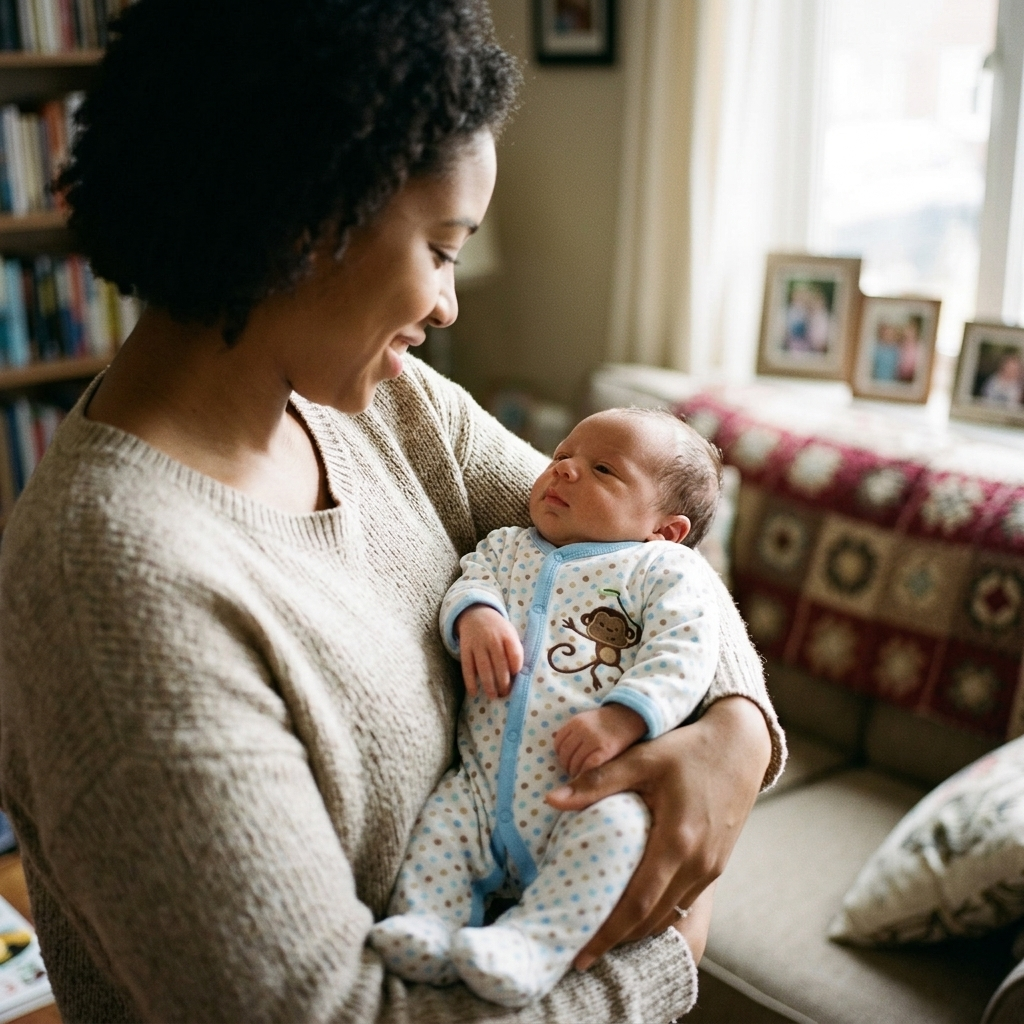
For those first weeks, a soft, easy-change piece is ideal. Our Double Button Cotton Sleepsuit is a gentle newborn-friendly option — pure cotton with simple button fastening that makes those frequent early changes easier.
How to tell it's time to size up
Babies give clear signs when a size is getting tight:
- Snaps at the crotch start pulling or won't close comfortably.
- Sleeves and legs ride up and look short.
- The neckline or waist leaves marks on the skin.
- You're struggling to get it on and off.
When you spot these, move up — a slightly roomy next size is always better than a tight one.
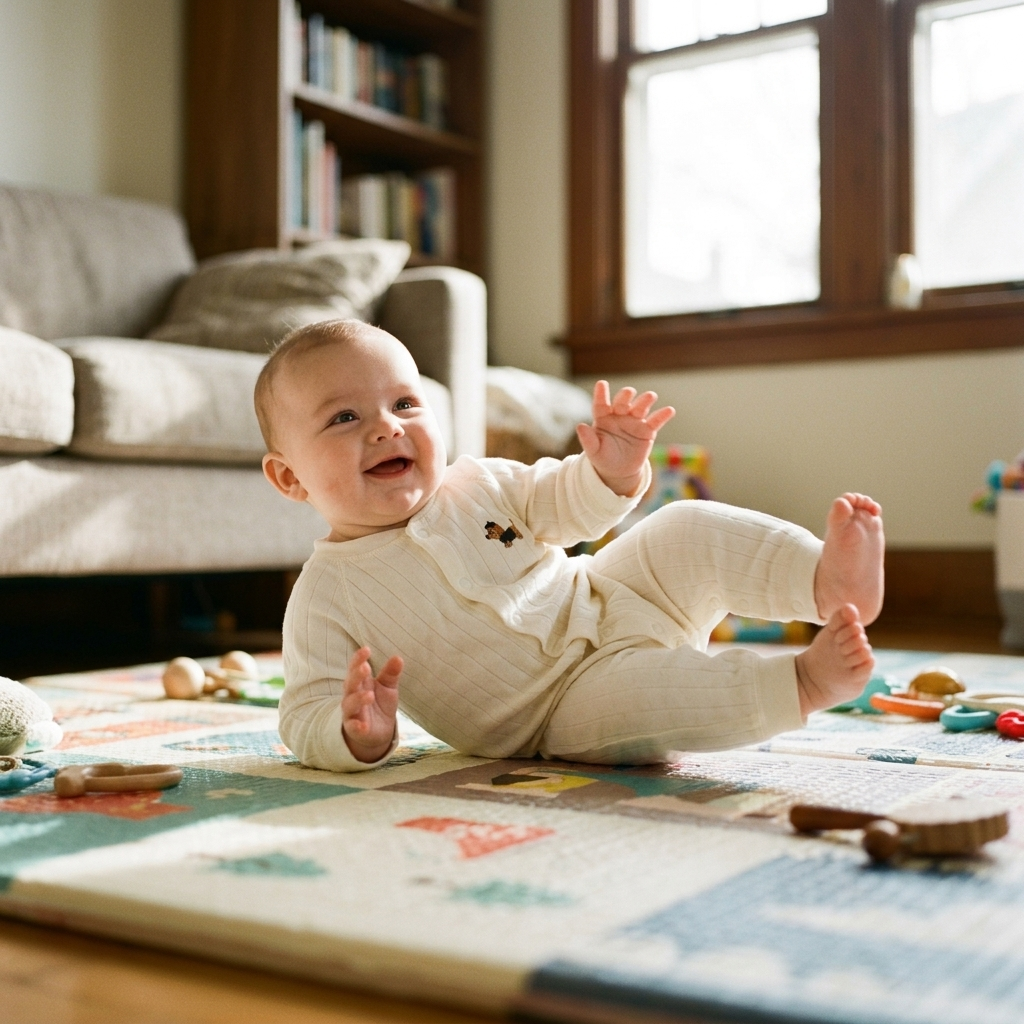
As your baby moves into that next stage, a roomy everyday one-piece is your friend. Our Timeless Striped Cotton Romper is a soft, unisex staple with a bit of growing room — the kind of piece that carries a baby comfortably through the 0-3 month stretch and beyond.
Remember: sizes vary by brand
One brand's “newborn” can run bigger or smaller than another's, so always check the specific size-and-weight chart rather than trusting the label alone. Our baby clothing size chart breaks sizes down by weight to take the guesswork out — especially helpful if your baby is petite or arrived early. And if you're wondering how much of each size to actually buy, our guide to how many baby clothes you really need has you covered.
Frequently asked questions
Do I even need newborn size? Sometimes not — larger babies go straight into 0-3 months. Buy just a few newborn pieces unless your baby is expected to be small.
How long do babies wear newborn size? Often only 1–3 weeks, since they grow so fast early on.
Is “0-3 months” the same as “3 months”? Not quite — “3 months” usually means it fits up to three months, similar to 0-3M, but sizing still varies by brand.
The bottom line
Newborn is the smallest, snuggest size for the very first weeks; 0-3 months is the roomier next step that most babies spend more time in. Buy a few newborn pieces (more if your baby will be small), lean into 0-3 months, check weight-based charts rather than labels, and size up the moment things get snug. Get that right and you'll waste less — and keep your baby comfy through every growth spurt.