

Bringing a new baby home is one of life's greatest joys, but it also comes with a mountain of decisions. As you navigate everything from car seats to cribs, what your little one wears might seem like a small detail. But it’s actually one of the most intimate choices you'll make. The world of organic baby clothes brands offers a gentle, safe, and loving start, wrapping your baby in fabrics as pure and natural as they are.
Why Organic Clothes Matter for Your Baby
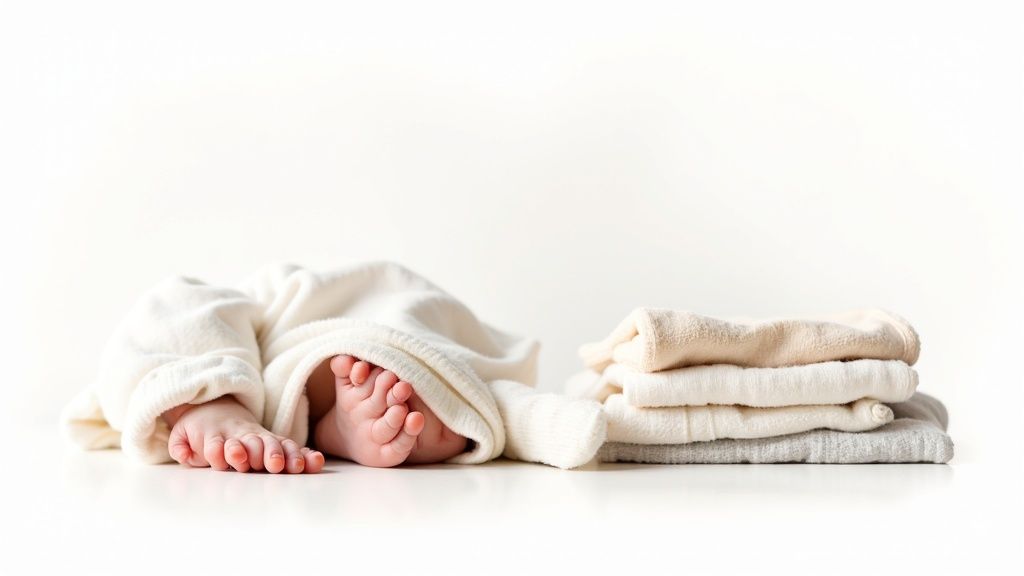
As a new parent, your whole world revolves around creating a safe and nurturing space for your little one. Thinking about the clothes they wear all day, every day is a natural extension of that care. A newborn’s skin is incredibly delicate—up to five times thinner than an adult’s—and way more absorbent. This makes their skin much more vulnerable to irritants hiding in conventionally made clothing.
Organic baby clothes give you peace of mind because they’re made from materials grown and processed without harsh chemicals. Think of it like choosing wholesome, nourishing food for your baby. Just as you carefully pick what goes in their body, choosing organic fabric is about carefully selecting what goes on their body.
A Gentle Start for Sensitive Skin
Conventional cotton farming is notorious for its use of synthetic pesticides and fertilizers. From there, the manufacturing process often treats fabrics with a cocktail of chemicals, including chlorine bleaches, formaldehyde, and heavy metal dyes. Traces of these can linger in the final garment and lead to skin irritation, rashes, or flare-ups of conditions like eczema.
For instance, a standard cotton onesie might feel soft to the touch, but it could be carrying residues that a baby’s porous skin easily soaks up. Going organic means you’re dressing your baby in a material that is naturally pure and kind to their skin.
"When you choose organic, you’re not just buying a piece of clothing. You’re choosing a healthier environment for your baby’s skin to thrive in—free from the harsh chemicals often used in standard textile production."
More Than Just a Fabric Choice
The upsides of choosing organic baby clothes brands go far beyond your baby’s immediate comfort. This decision also helps build a healthier planet for your child to grow up in. Organic farming practices are designed to be sustainable; they enrich the soil and keep our waterways clean from chemical runoff.
By opting for organic, you’re throwing your support behind a system that values:
- Purity: Fabrics grown without toxic pesticides or synthetic fertilizers.
- Safety: Processing that skips the harsh chemicals, resulting in a cleaner, safer final product.
- Sustainability: Farming methods that protect biodiversity and conserve precious water.
It's a simple choice that makes a powerful statement. It's about wrapping them in clothes that are soft, safe, and made with the same love you pour into every other part of their life. As you start this journey, know that every organic sleeper or bodysuit is a small but meaningful step toward a healthier beginning.
Protecting Your Baby’s Sensitive Skin
There's nothing quite like a baby’s skin—it's unbelievably soft, has that sweet newborn smell, and feels so delicate to the touch. But that softness is a sign of just how fragile it is. A baby's skin is much thinner and more porous than ours. Think of it like comparing a delicate silk scarf to a durable canvas tote; it absorbs everything it comes into contact with.
Because their skin is so receptive, it's also much more vulnerable to irritants. The clothes they wear are literally touching their skin 24/7, which makes your choice of fabric one of the most important you'll make for their comfort. If those fabrics have chemical residues left over from manufacturing, they can easily cause rashes, dryness, or even flare-ups of conditions like baby eczema.
The Problem with Conventional Cotton
You've probably heard that cotton is a "thirsty crop," but it's also one that's heavily treated. Conventional cotton farming relies on huge amounts of pesticides and insecticides. Then, during manufacturing, the fabric is often treated with even more chemicals—harsh bleaches, formaldehyde, and heavy metal dyes—to get that perfect color and feel.
The scary part? Traces of these chemicals don't always wash out. For a baby’s super-absorbent skin, that seemingly innocent onesie might be a source of constant, low-level chemical exposure, leading to redness and discomfort. Choosing organic baby clothes brands is like giving their skin a clean, wholesome meal instead of one packed with artificial additives.
This isn't just about being picky; it's a conscious choice for purity. Organic clothing creates a gentle, protective barrier that works with your baby’s skin, not against it, so every cuddle is as safe as it is soft.
Breathability is Key for Comfort
Beyond being free from chemicals, organic fabrics are just plain better at breathing. Natural fibers like organic cotton let air move freely, which is essential for helping your baby regulate their body temperature. This is a big deal, especially since babies can't just tell us if they're feeling too hot or cold.
Fabrics that trap heat and moisture can lead to overheating, prickly heat rash, and a whole lot of fussiness. A breathable organic cotton sleepsuit, on the other hand, wicks moisture away and keeps your baby comfortable all night long. That usually means better, more restful sleep for everyone. If you’re ever worried your little one is getting too warm, knowing how to tell if your baby is too hot can give you incredible peace of mind.
A Choice for a Healthier Planet
When you choose organic, the positive impact ripples out far beyond your nursery. You're also casting a vote for farming practices that are kinder to the planet. Organic methods skip the toxic pesticides, use less water, and build healthier soil, helping create a cleaner world for your little one to grow up in.
This shift in thinking is making a real difference. The global organic baby clothing market is expected to hit USD 2.8 billion by 2032, powered by parents who want better, safer products. It’s a move toward choices that are not just good for our babies, but for the Earth they'll inherit.
Ultimately, dressing your baby in organic clothing is a simple but powerful way to show your love. It’s a promise of safety, comfort, and a gentle start in a world you’re helping make just a little bit better, one soft outfit at a time.
How to Read and Understand Clothing Labels
Walking through the baby aisle can feel like navigating a maze of buzzwords. You're hit with a flurry of labels like "natural," "eco-friendly," and "pure." It’s easy to feel overwhelmed, but don't worry. This little guide will help you cut through the noise and decode those labels like a pro.
Think of clothing labels as the ingredient list on your baby's food. You wouldn't want mystery ingredients in their meals, and the same goes for the fabrics touching their incredibly delicate skin. Some labels are just clever marketing, but others are rock-solid promises of safety and quality. Learning to spot the difference is a total game-changer.
GOTS: The Gold Standard in Organic Baby Clothes
When it comes to organic baby clothes, one certification truly stands out: the Global Organic Textile Standard (GOTS). If you only remember one label from this whole guide, make it this one.
Seeing that GOTS logo on a tiny onesie is like getting a seal of approval from a textile expert. It guarantees the clothing’s entire journey was handled with care, from the very first seed to the final stitch.
- Pure, Organic Fiber: A GOTS-certified product must contain at least 95% certified organic fibers. This means the cotton was grown naturally, without nasty pesticides or synthetic fertilizers.
- Safe Processing: The fabric is processed without any toxic chemicals—no chlorine bleach, formaldehyde, or harsh dyes. This is absolutely crucial for protecting your baby's brand-new, sensitive skin.
- Ethical Production: GOTS also has a heart. It includes strict social criteria, ensuring the garment workers were treated fairly and worked in safe conditions.
In short, GOTS isn’t just about the cotton; it’s about the entire ecosystem of that little outfit. It’s a promise that what you’re buying is genuinely pure, safe, and made with care for both people and the planet.
Understanding Other Common Labels
While GOTS is the superstar of organic textiles, you'll likely spot other labels on your shopping trips. Another fantastic one to look for is OEKO-TEX STANDARD 100. It’s a bit different from GOTS, but just as important.
Here’s an easy way to think about it: GOTS certifies the entire organic process, from farm to finished product. OEKO-TEX, on the other hand, is a safety check for the final product itself.
If a sleeper or a swaddle has an OEKO-TEX STANDARD 100 label, it means every single thread, button, and zipper has been tested and proven to be free from a long list of harmful substances. So, while it doesn't mean the fabric is organic, it's a solid guarantee that no dangerous chemicals are lingering in the fabric that could irritate your baby’s skin.
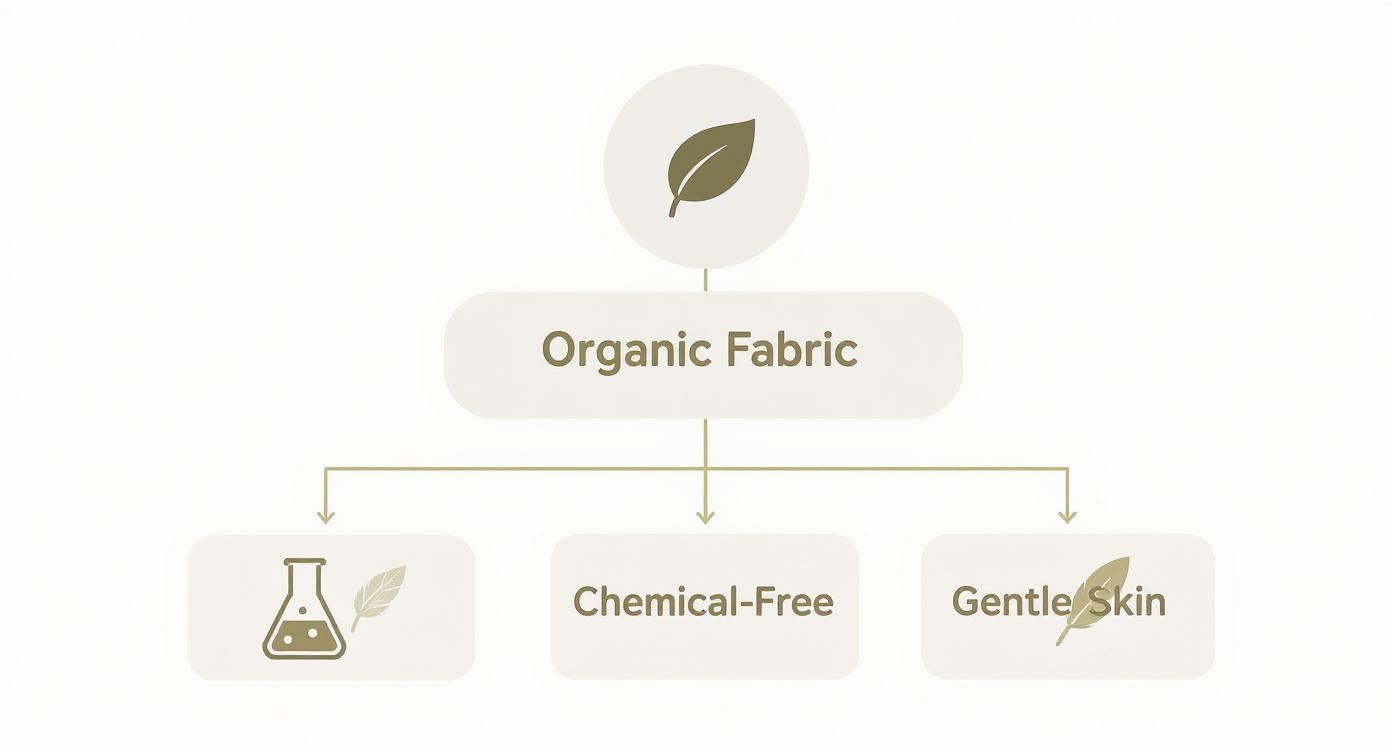
Choosing fabrics with certifications like these gives you peace of mind, knowing your baby is wrapped in something truly pure and gentle.
Here’s a quick cheat sheet to help you remember the key differences.
A Parent’s Quick Guide to Organic Certifications
Use this cheat sheet to quickly understand the most common labels on baby clothes and what they really mean for your baby's safety and comfort.
| Certification | What It Means for Your Baby | The Bottom Line |
|---|---|---|
| GOTS | This is the top-tier organic guarantee. It means the fabric is made from at least 95% organic fibers and was processed without any harsh chemicals, from start to finish. It also ensures fair labor practices. | The most comprehensive certification for organic purity, safety, and ethical production. Your all-in-one promise. |
| OEKO-TEX | This label is all about safety. It certifies that the final product—and all its components—has been tested and is free from a long list of harmful substances. | A fantastic safety check for non-toxic clothing. A product can be OEKO-TEX certified without being organic. |
Knowing what these labels mean puts you in the driver's seat. A GOTS label tells you the full story of organic integrity, while an OEKO-TEX label adds an extra layer of confidence that the final piece is safe for your baby’s skin. Seeing either one is a great sign on your quest for the perfect, gentle clothing for your little one.
Finding the Softest and Safest Organic Fabrics
Once you've got the hang of spotting those GOTS and OEKO-TEX labels, you get to the fun part: picking out the fabrics. Think of it as a sensory tour of the softest, safest materials that will be snuggling up against your baby’s skin. Each fabric has its own unique feel and purpose, and knowing which one to reach for can make a world of difference in your little one’s daily comfort.
When you're building that tiny wardrobe, variety is about more than just cute patterns. It's about having the right tool for the job. You’ll need something light and airy for warm afternoons, something extra cozy for chilly nights, and a go-to gentle material for all the moments in between. Let’s walk through the best organic options so you can choose with love and a little bit of know-how.
The Superstar: Organic Cotton
If organic baby clothes had a celebrity, it would be organic cotton. It’s the fabric most parents reach for first, and for good reason. It’s unbelievably soft, breathes beautifully, and is naturally hypoallergenic—basically, it’s a perfect match for a newborn’s delicate skin.
This is your workhorse fabric. It’s what you’ll want for all the essentials your baby will live in day in and day out.
- Everyday Bodysuits: The foundation of any baby outfit. Organic cotton bodysuits are soft, stretchy, and gentle enough for constant wear.
- Cozy Sleepers: A baby’s skin does a lot of recovering during sleep, so a pure, breathable fabric is key. You can dive deeper into the benefits of organic cotton baby pajamas and see why they’re so great for restful nights.
- Swaddles and Blankets: The gentle weave gives you that secure wrap babies love, but it’s breathable enough to prevent them from getting too hot.
Best of all? Organic cotton is tough. It holds up beautifully wash after wash, which is a non-negotiable for baby clothes. It’s that reliable, comforting friend you’ll grab time and time again.
The Silky Touch of Bamboo Viscose
Next up is bamboo viscose, a fabric that honestly feels like pure luxury. It has a silky, almost cool-to-the-touch feel that is just divine. But its real magic trick is temperature regulation. Bamboo is a champion at wicking moisture away from the skin, which helps keep your baby comfortable and dry.
This makes it a fantastic choice for babies who tend to run a little warm or for those sticky summer days and nights. Its incredibly smooth fibers are also a huge plus for babies with extra-sensitive skin or eczema because there’s less friction to cause irritation.
Bamboo viscose is like having a smart thermostat built right into your baby’s clothes. It helps keep them cool when it’s hot and cozy when it’s not—the perfect recipe for peaceful naps.
The Breezy Charm of Organic Linen
When the temperature starts to climb, organic linen is both a beautiful and incredibly practical choice. Made from the flax plant, linen is famous for its amazing breathability and lightweight feel. It literally allows air to flow right through, making it one of the most comfortable things your baby can wear on a hot day.
While it starts with a bit more texture than cotton, organic linen gets softer and more supple with every single wash. It’s perfect for those special occasion outfits, breezy summer rompers, or adorable little sun hats. Plus, its natural, earthy look has a timeless charm, and it's durable enough to become a treasured hand-me-down. Picking the right fabric for the season is a simple way to keep your little one happy and comfortable, no matter what the weather is doing.
Building Your Baby’s First Organic Wardrobe
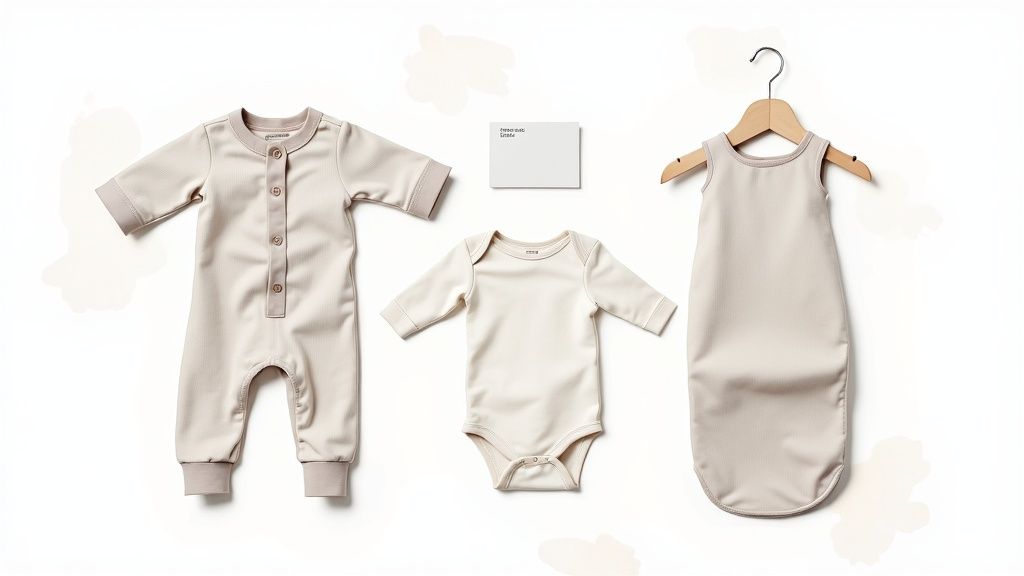
When you're expecting, the temptation to buy every impossibly tiny, adorable outfit you see is very, very real. I get it! But before you fill your cart, take a deep breath. Building your baby’s first wardrobe doesn’t have to be overwhelming or require a second closet. A simple, minimalist approach centered on a few high-quality organic essentials will keep your baby comfortable and, trust me, make your life a whole lot easier.
Those first three months are a beautiful blur of sleep, cuddles, and more diaper changes than you can count. Comfort is absolutely king, and practicality is your new best friend. Instead of a closet overflowing with clothes they’ll barely wear, focusing on versatile, durable pieces is the smartest way to go. This isn't just about saving space; it’s about creating a calm, clutter-free environment for both you and your new arrival.
Your Newborn Wardrobe Checklist
Think of this as your "must-have" list for the first three months. These are the workhorse items your baby will practically live in, so choosing soft, certified organic versions is a wonderful way to protect their delicate skin around the clock.
-
Sleepsuits (6-8): You'll hear them called sleepers, footies, or sleep-and-plays, but they all do one wonderful thing: keep your baby cozy from head to toe. Look for options with two-way zippers—they are a game-changer for those middle-of-the-night diaper changes. A beautiful, high-quality piece like an organic waffle cotton baby romper is the perfect example of a cozy, all-in-one outfit.
-
Bodysuits (6-8): These are the t-shirts of the baby world. Available in long-sleeve and short-sleeve styles, they’re the perfect base layer. Pro-tip: choose ones with envelope necklines so you can easily pull them down over the body instead of up over the head after a messy blowout.
-
Swaddles (3-4): A soft, breathable organic swaddle can feel like a magic trick for helping newborns feel secure and sleep better. They’re also incredibly versatile and can double as a light blanket, nursing cover, or burp cloth in a pinch.
-
Hats & Socks (2-3 pairs each): A couple of soft beanies are great for keeping your newborn warm, especially in their first few days. And socks that actually stay on their tiny, kicky feet are a must-have.
This simple collection gives you enough options to handle spit-up and diaper leaks without feeling like you're chained to the laundry machine.
Smart Sizing and Lasting Value
Babies grow at a truly astonishing rate. One of the best pieces of advice I can give is to buy a mix of sizes. While you’ll definitely need a few newborn-sized items for their first few weeks, be sure to stock up on 0-3 month sizes, too. Many babies outgrow that "newborn" tag in a flash.
This is where investing in high-quality organic baby clothes brands really shows its worth. Well-made organic cotton is incredibly durable. It’s designed to hold up to countless wash cycles without pilling, stretching out, or losing that signature softness. While the initial price might be a bit higher, these pieces often last long enough to be passed down to a sibling or a friend’s baby, giving you so much more value in the long run.
Think of it as investing in peace of mind. You’re getting clothes that are not only safer for your baby’s skin but are also built to endure the beautiful chaos of babyhood.
The good news is that brands are listening to what parents need. We're seeing a welcome shift toward versatile, parent-friendly options, with a growing trend for gender-neutral and hypoallergenic designs. In fact, over 60% of new product launches now feature these thoughtful attributes. Online shopping has also made finding these gems easier than ever, with e-commerce now accounting for nearly 40% of organic baby clothing sales globally.
By choosing a few beautiful, versatile, and durable organic pieces, you’re creating a wardrobe that is simple, safe, and sustainable. You’ll feel prepared and confident, knowing your little one is wrapped in pure comfort from their very first day home.
Keeping Organic Clothes Soft and Strong
So, you’ve found the most beautiful, buttery-soft organic pieces for your baby. Now, how do you keep them that way? The secret to making sure these special garments stay just as lovely as the day you bought them is all in the care. And the good news? It’s much simpler than you think.
Caring for organic fabrics isn’t complicated, it just requires a gentler touch. Because these clothes skip the harsh, anti-shrinking chemical treatments, they need a little extra TLC to maintain their shape and that incredible softness. A few tiny tweaks to your laundry routine will make a world of difference, helping those favorite pieces last long enough to become hand-me-downs.
Gentle Washing for Lasting Softness
The single best thing you can do for delicate organic fibers is to wash them in cold water on a gentle cycle. Hot water is the enemy of natural fibers like cotton; it can cause them to shrink and stresses the fabric over time. Think of it as giving the clothes a soothing, cool bath instead of a harsh, hot one.
Next up: your detergent. A gentle, plant-based, and fragrance-free detergent is the perfect companion for organic clothes. Many big-name detergents are packed with harsh surfactants, optical brighteners, and synthetic fragrances that can leave behind a residue. That residue can not only irritate your baby’s skin but also break down the very fibers you're trying to protect.
A clean, simple detergent does two key things:
- Protects the Fabric: It gets the clothes clean without stripping the natural softness right out of the cotton.
- Keeps Skin Safe: It rinses clean, ensuring no irritating chemical leftovers are there to bother your baby’s sensitive skin.
Drying Tips and Stain Tricks
When it comes to drying, the motto is "low and slow." If you have the space, line-drying is a fantastic choice. It’s incredibly gentle on the clothes, saves energy, and the sun is a natural, free brightener. If you’re using a dryer, always, always choose the low heat or delicate setting. This is your best defense against shrinking and helps preserve the fabric's integrity.
And what about those inevitable stains? From spit-up to that first taste of sweet potato, messes are a fact of baby life. Before you reach for a heavy-duty chemical stain remover, try tackling spots with a few simple, natural tricks.
For many common baby stains, a simple paste of baking soda and water or a dab of white vinegar applied before washing works like a charm. It’s a gentle yet surprisingly effective way to lift stains without exposing the fabric (or your baby) to unnecessary chemicals.
By following these simple care steps, you’re doing more than just cleaning clothes. You’re preserving the quality, comfort, and safety that made you choose from the best organic baby clothes brands in the first place. This is how you make sure every piece stays cuddle-ready for as long as your little one can wear it.
Got Questions? We've Got Answers
Even after getting the hang of certifications and fabrics, it's totally normal to have a few lingering questions. Choosing what goes next to your baby’s skin is a big decision, and you should feel 100% confident about it. Let's tackle some of the most common questions we hear from parents.
Are Organic Baby Clothes Really Worth the Extra Money?
That's the million-dollar question, isn't it? While the price tag on organic baby clothes can seem a bit higher upfront, think of it as an investment in your baby's well-being and your own peace of mind. You're paying for fabric that’s guaranteed to be free from harsh chemicals and pesticides.
But there's more to it than that. High-quality organic fabrics, like the ones we use, are incredibly durable. They hold up wash after wash, meaning they can be passed down to siblings or friends, giving you far more value in the long run.
If I Only Look for One Certification, Which One Should It Be?
Easy. If you remember nothing else, look for GOTS (Global Organic Textile Standard).
Think of it as the gold standard for organic textiles. It’s the most comprehensive certification out there, covering everything from the way the cotton is grown to the ethical treatment of the workers who make the clothes. A GOTS tag is the simplest way to know you're getting a truly organic, safe, and responsibly made product.
How Many Organic Outfits Do I Actually Need for a Newborn?
Probably fewer than you think! It's so easy to get carried away buying tiny, adorable outfits. For a newborn, a great starting point is a simple, functional wardrobe of 6-8 sleepsuits and 6-8 bodysuits.
This little collection is enough to get you through spit-ups and diaper blowouts without feeling like you're doing laundry 24/7. Stick to these comfy basics first, and you can always add those special, "just for fun" outfits later on.
Do Organic Clothes Shrink More?
This is a great question. Because organic clothes skip the harsh chemical anti-shrinking treatments, they can shrink a bit if you’re not careful. But it's an easy fix!
The trick is to wash them in cold water and either hang them to dry or tumble dry on the lowest heat setting. Just follow the care instructions on the label, and your baby's clothes will stay soft, comfy, and perfectly sized.
At Mimou Babywear, our whole world revolves around giving your baby the softest, safest start possible. We pour our hearts into designing essentials with GOTS-certified organic cotton and other gentle materials, making sure every single piece is as cozy as it is durable. Come explore our collections and wrap your little one in pure comfort by visiting us at https://mimoubabywear.com.