


When a baby arrives early, almost nothing goes the way the books described — and one of the small, unexpectedly emotional details is clothing. The newborn outfits washed and folded at home are suddenly enormous, swallowing a baby who might weigh less than a bag of sugar. Dressing a premature baby comes with its own set of practical needs, from the size of the clothes to the way they fasten around delicate skin and medical equipment. This guide walks through what to look for, how preemie sizing works, and the small details that make a real difference for the tiniest babies.
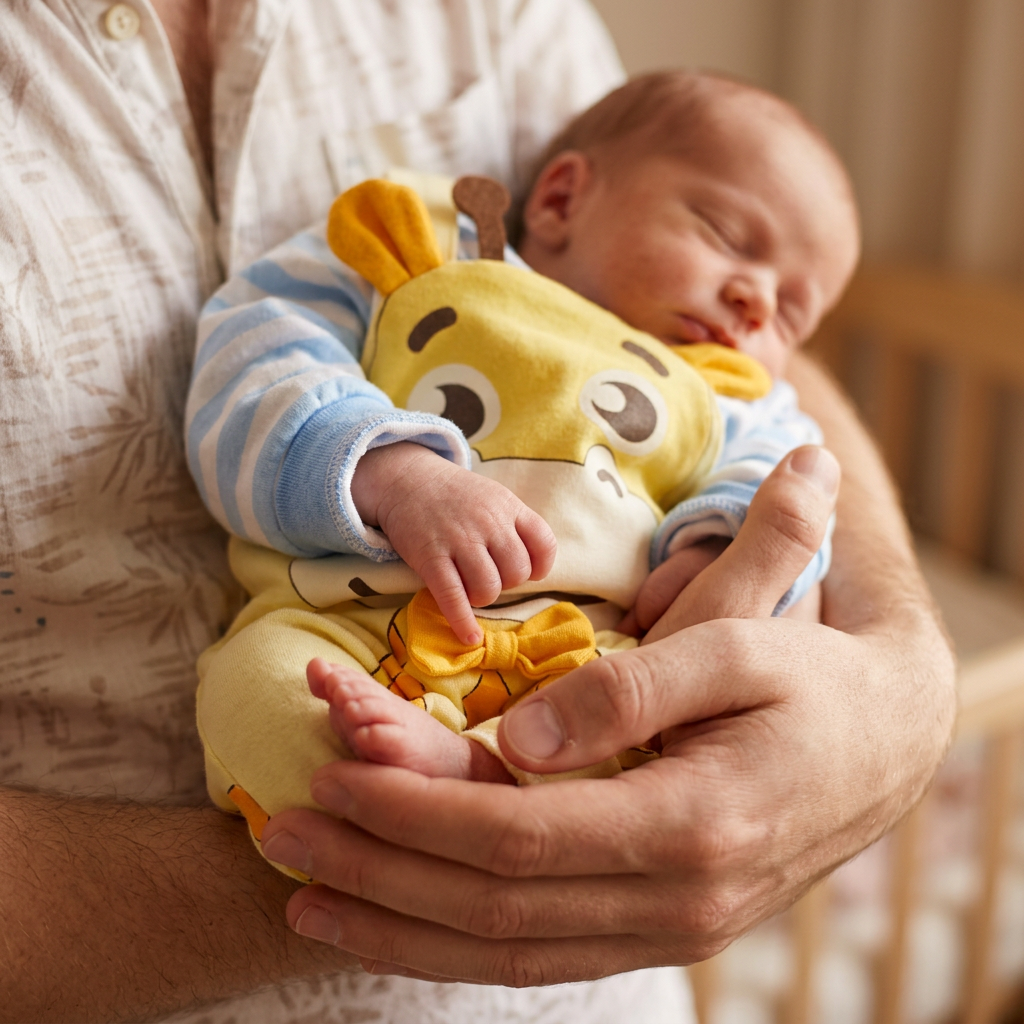
How Preemie Sizing Works
Unlike standard baby clothes, which are usually labelled by age (0–3 months, 3–6 months and so on), premature clothing is sized by weight — because a baby's weight, not their age, determines the fit at this stage. The common ranges:
| Size label | Approx. weight |
|---|---|
| Micro / Tiny preemie | Under 1.4 kg (3 lb) |
| Preemie / Premature | Up to ~2.3 kg (5 lb) |
| Small newborn / “First Size” | Up to ~3.2 kg (7 lb) |
| Newborn | ~3.2–4.3 kg (7–10 lb) |
Because premature babies grow and gain weight in their own way, it's worth buying just a few pieces in the smallest size at first and sizing up as they grow — many families find their baby moves through preemie sizes faster than expected once they're established and feeding well. For full newborn-and-up sizing, see our preemie clothing size chart.
What to Look for in Premature Baby Clothes
The features that matter for a tiny baby are different from those for a full-term newborn:
- Easy, wide openings: Look for envelope necklines, full popper/snap openings down the front and along both legs, and designs that don't need to be pulled over the head. A baby who may still be attached to monitors or feeding tubes needs clothes that open out flat and wrap around them, rather than being threaded on.
- Front fastenings, not back: Babies who spend time lying down need fastenings at the front so they're not lying on poppers or seams.
- Soft, flat seams: Premature skin is especially thin and delicate. Flat or external seams and tagless designs reduce rubbing and pressure marks.
- Room for wires and lines: In hospital, clothing that accommodates monitoring leads, cannulas, or feeding tubes — with wide openings or wrap styles — makes care far easier for both parents and staff. Always check with the neonatal unit about what's suitable while a baby is receiving care.
- Soft natural fabrics: Lightweight, breathable cotton is gentlest against fragile skin and helps with the temperature regulation premature babies particularly struggle with.
A Note on Warmth
Premature babies lose heat more easily than full-term babies — they have less body fat and a less developed ability to regulate their own temperature. Once home and out of an incubator, keeping them comfortably warm matters, and soft layered clothing helps. Footed rompers and sleepsuits that cover the feet keep small toes warm without loose socks that slip off, and an easily-added layer lets you adjust to the room. As always, avoid overheating — the back of the neck is the best place to check temperature, and the room itself should be comfortably warm rather than hot.
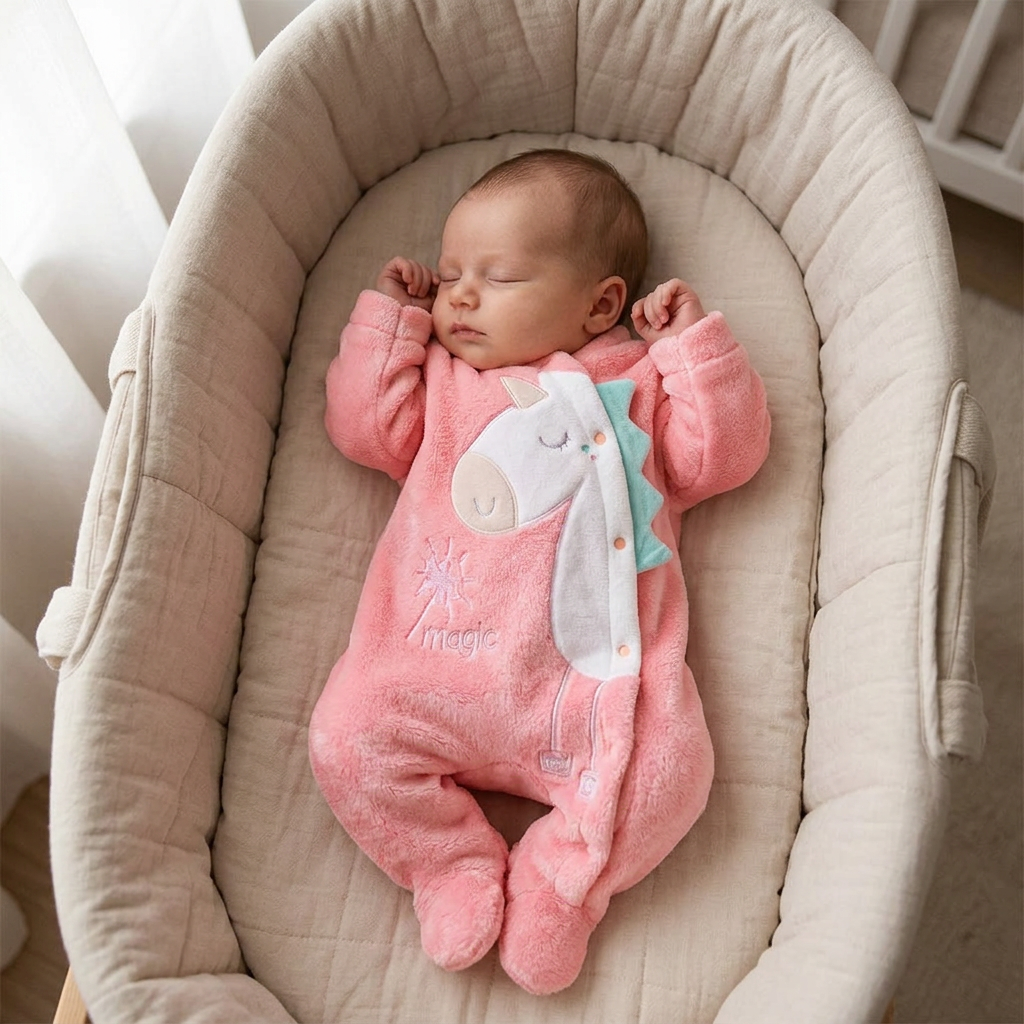
Dressing a Preemie: Gentle Practicalities
- Lay clothes out flat and bring baby to them: Rather than manoeuvring tiny limbs into sleeves, open the garment out, lay baby on it, and gently fasten around them.
- Support the head and limbs: Move slowly and support the head throughout — premature babies have even less head control than full-term newborns at first.
- Less is sometimes more: In the early days, skin-to-skin contact (kangaroo care) is often encouraged in neonatal units for its real benefits to temperature, heart rate, and bonding — so there may be stretches where minimal clothing, against a parent's chest, is exactly right.
- Wash everything first: In a fragrance-free, non-bio detergent, with no fabric softener, before it touches delicate skin.
The Emotional Side
It's worth naming that buying or receiving preemie clothes can stir up a lot — they're a tangible reminder of how small and early a baby arrived, and of a start that may have been frightening. Many parents of premature babies describe the first outfit that actually fits as a quietly significant moment: a sign of a baby growing, getting stronger, becoming ready for the ordinary milestones of dressing and cuddling. If you're in the thick of a neonatal journey right now, that moment tends to come — and the clothes that once looked impossibly huge start to fit before you know it.
For sizing as your baby grows beyond these first weeks, see our preemie and newborn size chart, and for choosing the gentlest fabrics, our guide to organic cotton baby clothes.