

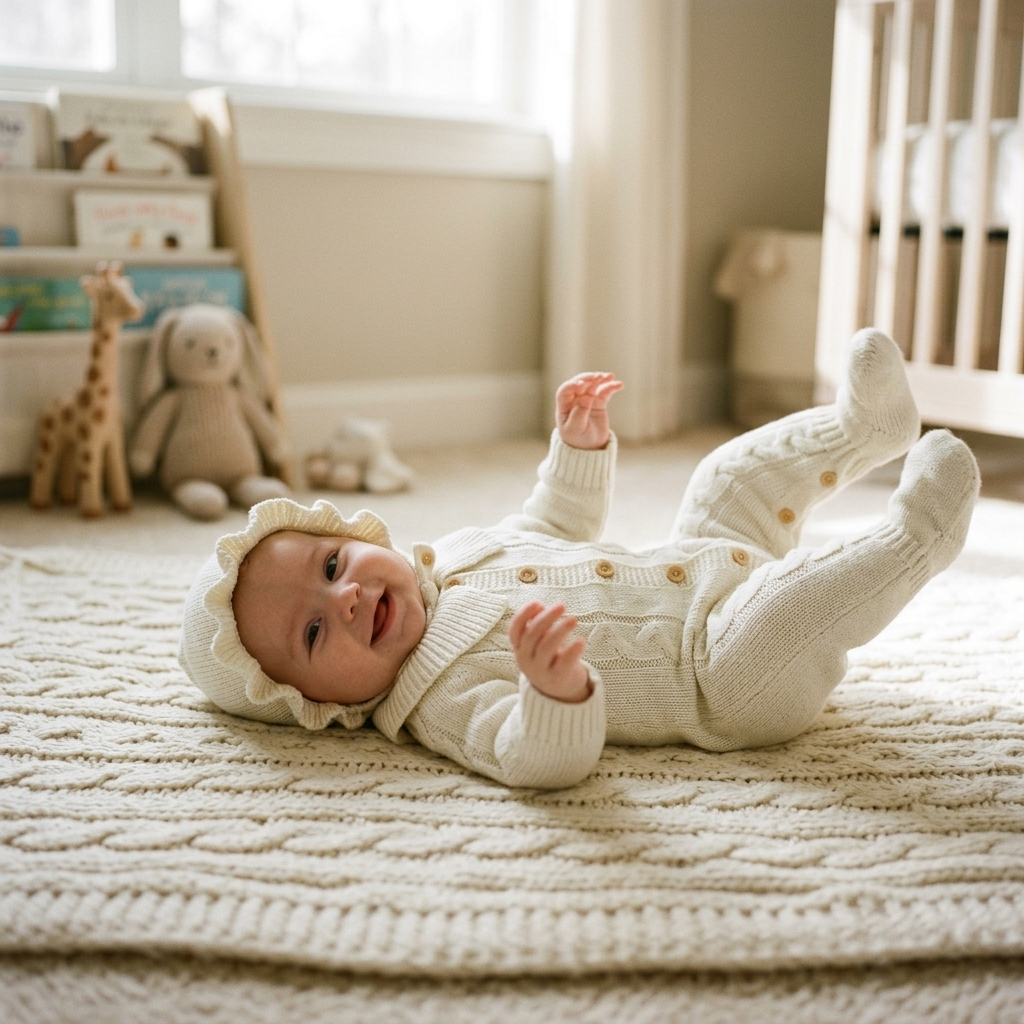
Onesies (or bodysuits) are the backbone of a baby's wardrobe—soft, snap-bottomed, and endlessly practical. But at some point every parent wonders: when do babies actually stop wearing them? The honest answer is that there's no fixed age; it's more about your baby's stage, size, and what works for your family. Here's what to expect.
There's no set age—it's about the stage
Some babies wear onesies well into toddlerhood; others move on earlier. Rather than a birthday deadline, the shift usually happens gradually as your child grows, becomes more mobile, and starts potty training. Plenty of families keep onesies in rotation as a comfy base layer long after they've added two-piece outfits.
Common reasons parents move on from onesies
A few practical things tend to trigger the switch to two-piece outfits:
- Potty training: this is the big one. Snaps at the crotch get in the way when a toddler needs to use the potty quickly and independently, so many families retire onesies around this time.
- Growing independence: as toddlers start dressing themselves, separate tops and bottoms are far easier to manage than fiddly snaps.
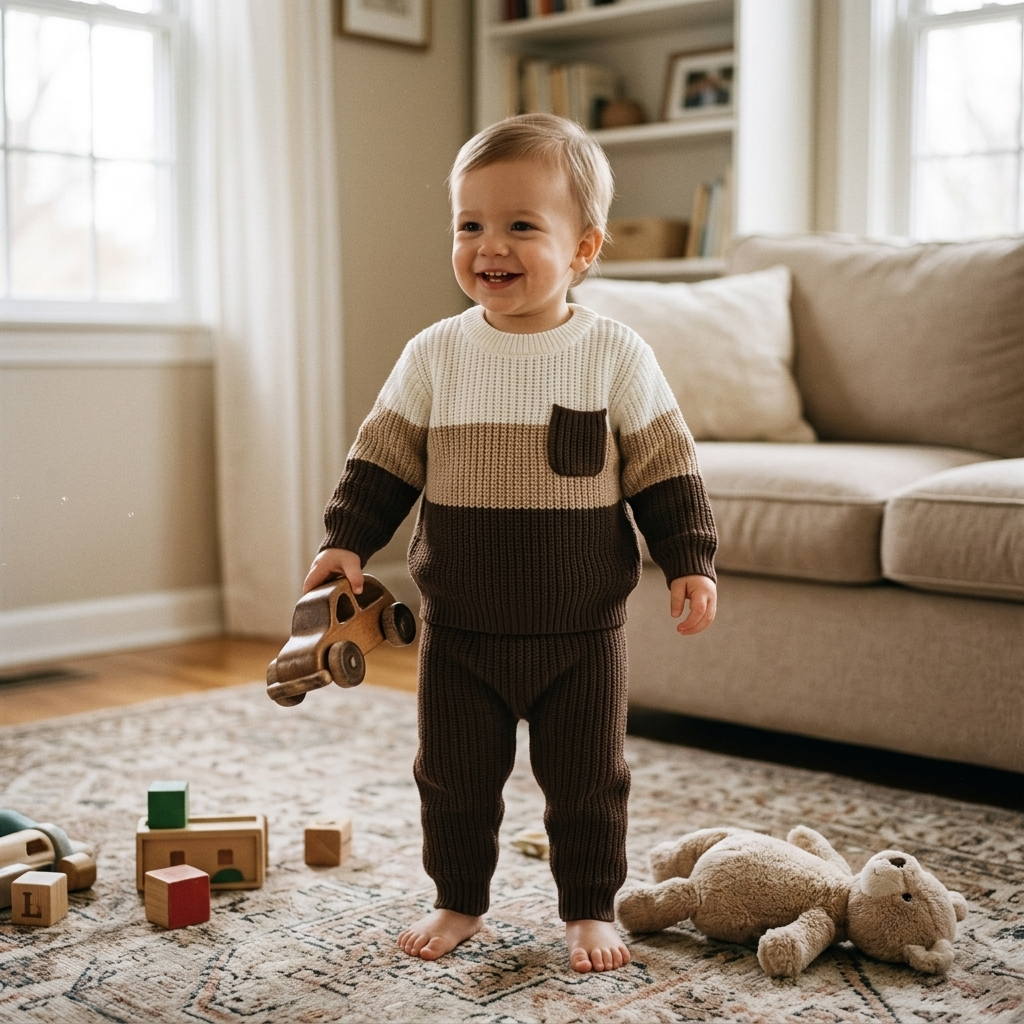
- Sizing out: onesies are made up to around 24 months or 2–3 years in most ranges. Once your child grows past the largest size, two-piece outfits naturally take over.
- Preference and comfort: some toddlers simply prefer the freedom of separates once they're busy walking, climbing, and playing.
Why keep onesies going for a while
There's no rush to give them up. As long as they still fit, onesies have real advantages: they keep a baby's tummy and back covered during crawling and play, they don't ride up, and they layer beautifully under other clothes in cooler weather. Many parents keep using them as a base layer right up until potty training makes them impractical.
The gradual transition
In practice, most families don't switch overnight. You'll likely start mixing in two-piece outfits for daytime while keeping onesies for sleep, layering, or lazy days—then phase them out of the daytime rotation as potty training approaches. If you're weighing up how many of each to buy as your baby grows, our guide to how many baby clothes you actually need helps, and since sizing varies by brand, it's worth knowing whether baby clothes run big or small before you size up.
The takeaway
Babies stop wearing onesies whenever the stage calls for it—often around potty training and growing independence, and usually once they've sized out somewhere between 2 and 3 years. There's no need to hurry: keep them going as a comfy base layer for as long as they fit, and add two-piece separates gradually as your toddler gets busier. For soft, breathable pieces at every stage, browse our organic cotton baby clothes.