


Once you've decided organic cotton is worth it for your baby, a second question follows fast: does everything need to be organic? A head-to-toe certified-organic wardrobe is lovely in theory and expensive in practice — and it isn't necessary. The smarter approach is to spend where it matters most: on the pieces worn against your baby's skin, for the longest, at the youngest age. Here's how to build a first wardrobe that's organic where it counts, without buying organic for the sake of it.
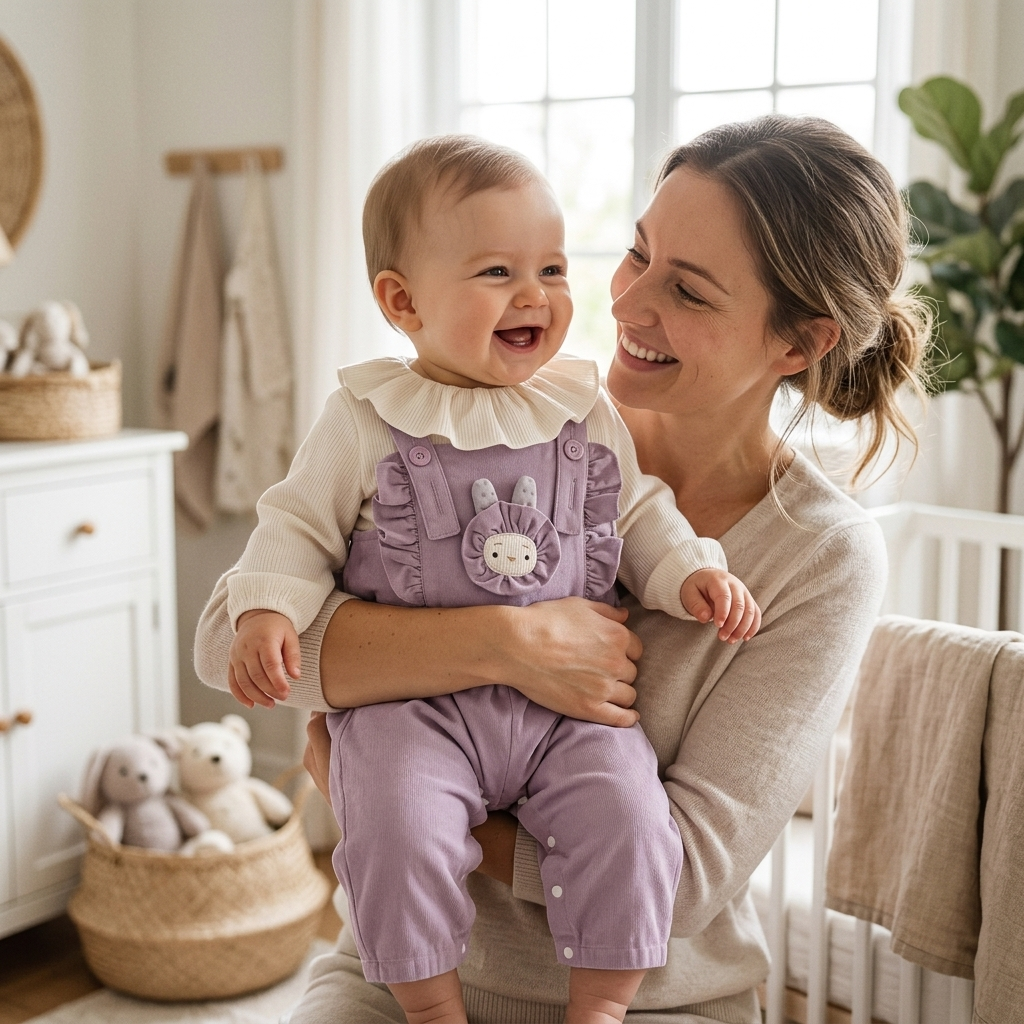
The Principle: Skin Contact, Time, and Age
Three things decide whether a piece is worth buying organic:
- How much it touches the skin — a bodysuit against the whole torso matters more than a jacket over other layers.
- How long it's worn — sleepwear worn 12 hours a night matters more than an occasion outfit worn once.
- How young the baby is — a newborn's skin is thinnest and most absorbent, so the early months matter most.
Score a piece on those three and you'll know instantly whether it's worth the organic premium (see our organic vs regular cotton guide for why).
Buy Organic: The Pieces Worth It
- Bodysuits / vests — the number one priority. Worn against the whole torso, all day, from day one. If you buy organic for one category, make it this.
- Sleepwear (sleepsuits, sleep sacks) — worn for the longest stretches, against the skin, every night. A clear yes.
- Newborn everyday pieces — in the first months, when skin is most delicate, lean organic for the pieces in constant rotation.
- Anything for sensitive or eczema-prone skin — here certified organic (or OEKO-TEX tested) earns its price by reducing flare-ups (see our sensitive skin guide).
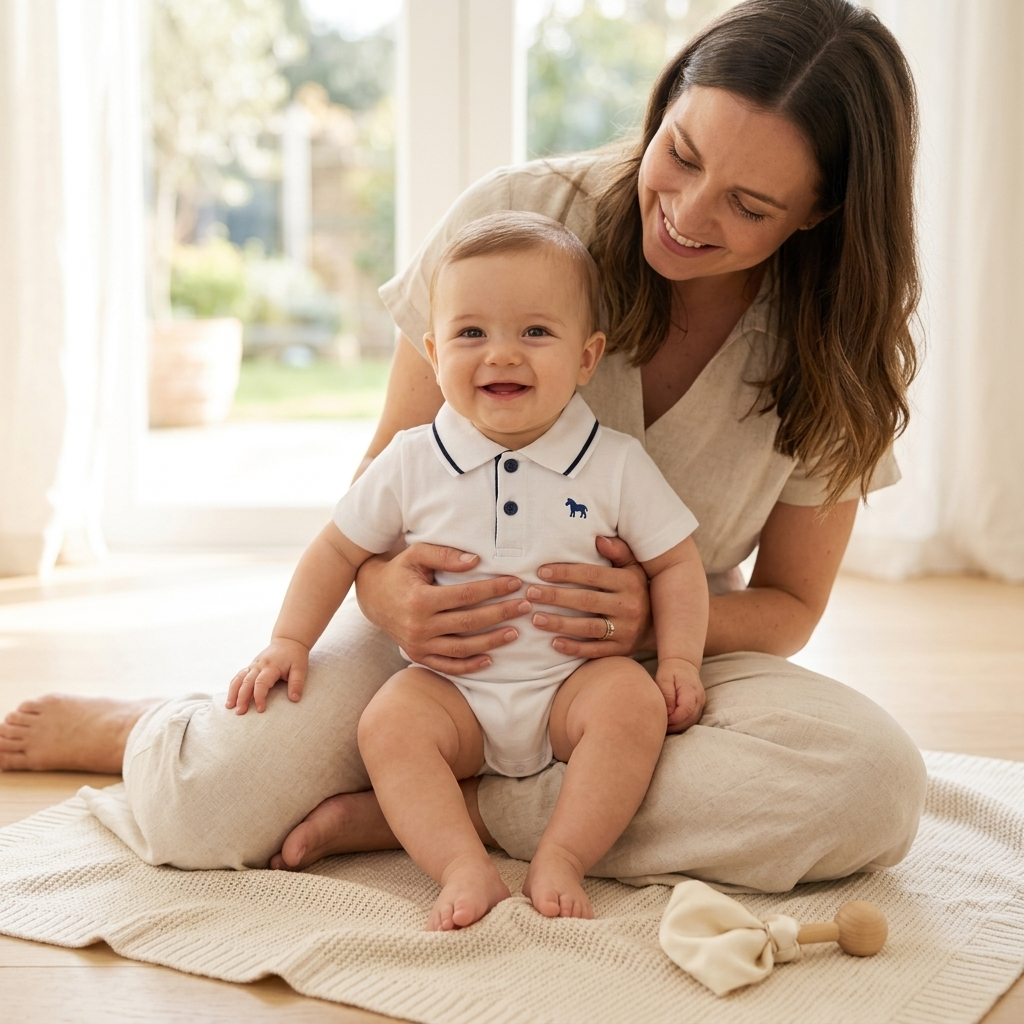
Don't Bother: Where Organic Matters Less
- Outer layers — jackets, cardigans, and pramsuits worn over a bodysuit have little direct, prolonged skin contact.
- Dungarees and overalls — worn over a top, so the layer underneath is what matters.
- Occasion outfits — worn briefly and rarely; a tested-safe conventional piece is fine.
- Anything you'll use for a few weeks — fast-outgrown sizes don't justify the premium unless they're skin-contact basics.
For these, a well-made conventional-cotton piece — ideally OEKO-TEX tested — is a sensible, cheaper choice.
Whatever You Buy, Check the Certification
The single rule that ties it together: the word “organic” on a label means little on its own. Look for GOTS (certifies organic fibre plus clean processing) or OEKO-TEX Standard 100 (certifies the finished fabric is free from harmful substances). A certified conventional piece can be a better buy than an uncertified “organic” one — the certification is the substance, the word is just marketing (see our organic cotton buyer's guide).
A Sensible First-Wardrobe Split
- Organic / certified: 6–8 bodysuits, 6–8 sleepsuits, a couple of newborn everyday rompers — the skin-contact core.
- Conventional (tested) is fine: outer layers, dungarees, occasion pieces, hats, and the fast-outgrown extras.
- The result: your baby is in certified-safe fabric exactly where and when it matters, and you haven't paid a premium on a jacket they wear over three other layers.
This is also, conveniently, how a capsule wardrobe works — fewer, better-chosen pieces (see our capsule wardrobe guide).
The Bottom Line
You don't need an all-organic baby wardrobe — you need organic where it counts. Prioritise certified organic or tested-safe fabric for bodysuits, sleepwear, and newborn everyday pieces worn against the skin for hours, and relax about outer layers and occasion pieces worn briefly over other clothes. Check for GOTS or OEKO-TEX rather than trusting the word alone, and you'll spend your money exactly where your baby's skin benefits most.
Ready to shop? See our roundup of the best organic cotton baby clothes, browse our soft, natural-fabric bodysuits, sleepwear, and everyday pieces in the collections, and check our organic cotton buyer's guide for what to look for before you buy.