


For a baby with sensitive skin or eczema, clothing isn't just an outfit — it's in constant, all-day contact with the most reactive organ they have. The wrong fabric, a scratchy seam, or a harsh dye can be the difference between a calm, comfortable baby and one who is red, itchy, and miserable. The good news: a few informed choices make a real, visible difference. Here's what to look for in clothes for babies with sensitive or eczema-prone skin, and what to avoid.
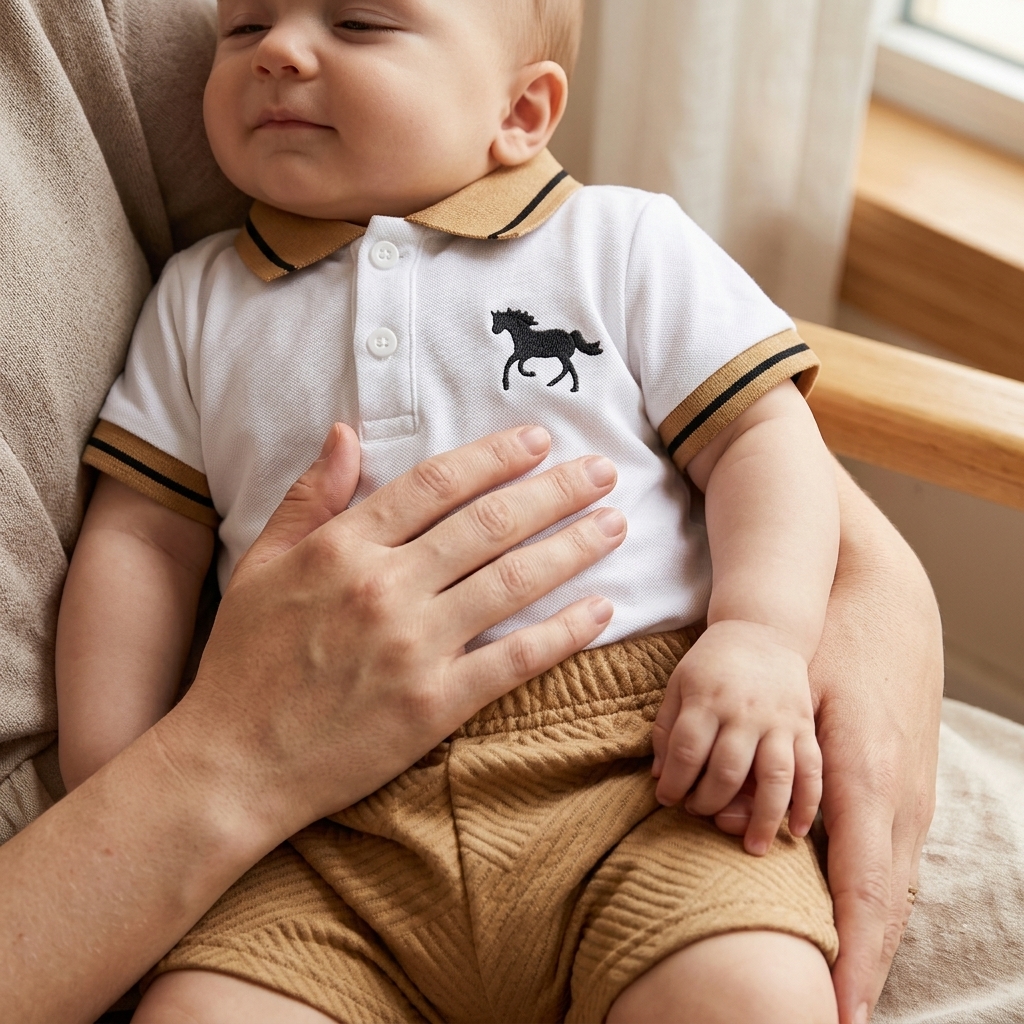
Why Fabric Matters So Much for Sensitive Skin
A baby's skin is thinner and more permeable than an adult's, so it reacts faster and more strongly to irritants. For babies with eczema (atopic dermatitis), the skin barrier is already compromised, making it even more vulnerable to friction, overheating, and chemical irritants — all of which clothing directly influences. Choosing the right clothes won't cure eczema, but it removes a major source of daily flare triggers. (For managing eczema itself, see our complete baby eczema guide.)
What to Look For
- Soft, natural cotton: Breathable cotton is the gold standard for sensitive skin — it lets skin breathe, absorbs moisture, and doesn't trap heat the way synthetics do. Organic cotton goes a step further, with fewer chemical residues from growing and processing (see our organic cotton guide).
- Flat or external seams: Raised internal seams rub and can leave marks on delicate skin. Flat-locked or external seams remove a common friction point.
- Tagless / printed labels: That small scratchy label at the back of the neck is a classic irritant — printed-on or tagless designs avoid it entirely.
- Gentle, low-impact dyes: Harsh dyes and finishes can irritate. Certifications like OEKO-TEX Standard 100 confirm the fabric has been tested for harmful substances — a reliable signal for sensitive skin.
- Loose, breathable fit: Clothing that's too tight increases friction and traps heat and sweat, both of which aggravate eczema. A relaxed fit lets skin breathe.
- Smooth, covered fastenings: Soft poppers rather than rough zips against the skin, positioned away from sensitive areas.
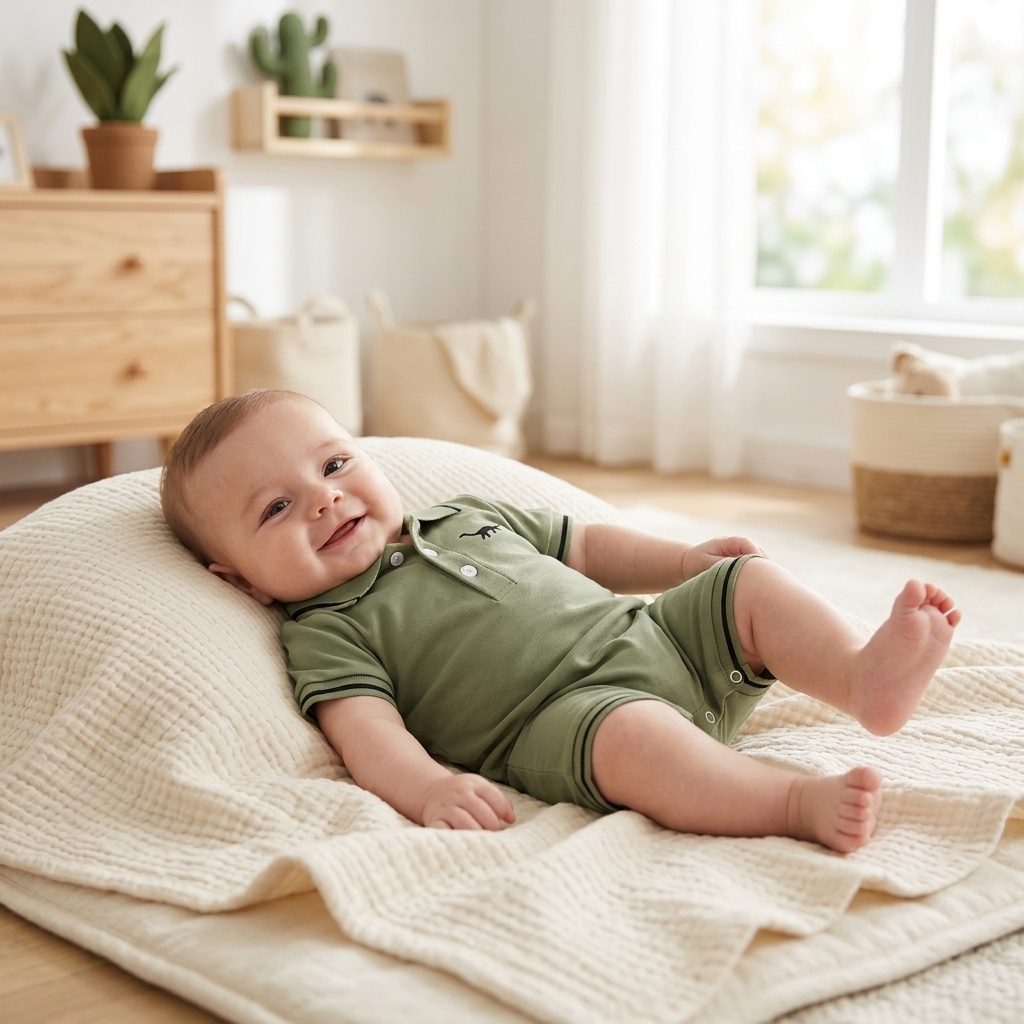
What to Avoid
- Wool and rough textures directly on skin: Even natural, wool's fibres can prickle and irritate eczema-prone skin. If worn, keep a soft cotton layer underneath.
- Synthetic fabrics next to skin: Polyester and nylon trap heat and moisture and don't breathe well, which can worsen flare-ups. They're fine as outer layers, less so as base layers.
- Tight elastic and seams in high-friction areas: Around the neck, wrists, and waist, where rubbing concentrates.
- Heavily dyed or embellished pieces against skin: Save sequins, heavy prints, and stiff appliqués for outer layers, not next to the skin.
Caring for Sensitive-Skin Clothing
How you wash the clothes matters as much as the clothes themselves:
- Use a fragrance-free, non-bio (or sensitive) detergent: Biological detergents and fragrances are common irritants for eczema-prone skin.
- Skip fabric softener: It leaves a residue that can irritate and reduces the fabric's breathability.
- Do an extra rinse: Helps remove all detergent residue from the fabric.
- Wash new clothes before first wear: To remove manufacturing residues and finishes.
Our guide to washing baby clothes covers this in full.
The Bottom Line
For a baby with sensitive or eczema-prone skin, the best clothes are soft, breathable, natural cotton (ideally organic and certified), with flat seams, no scratchy labels, a relaxed fit, and gentle dyes — then washed in a fragrance-free detergent without softener. None of this cures eczema, but together it removes a surprising number of daily triggers, and many parents notice calmer, more comfortable skin once clothing stops working against them. When in doubt, simpler and softer is almost always better.
Browse our soft cotton everyday pieces in the collections, and for managing flare-ups see our baby eczema guide and baby skincare guide.