


Bringing your baby home for the first time is an incredible, heart-bursting experience. But let’s be honest, the preparation can feel a little... intense. When it comes to dressing your newborn, my best advice is to keep it simple. Focus on softness, safety, and simplicity.
You don’t need a closet overflowing with tiny outfits. All you really need is a small, carefully chosen collection of essentials—what’s often called a “layette”—to keep your baby snug and comfortable.
Your Essential Newborn Clothing Checklist
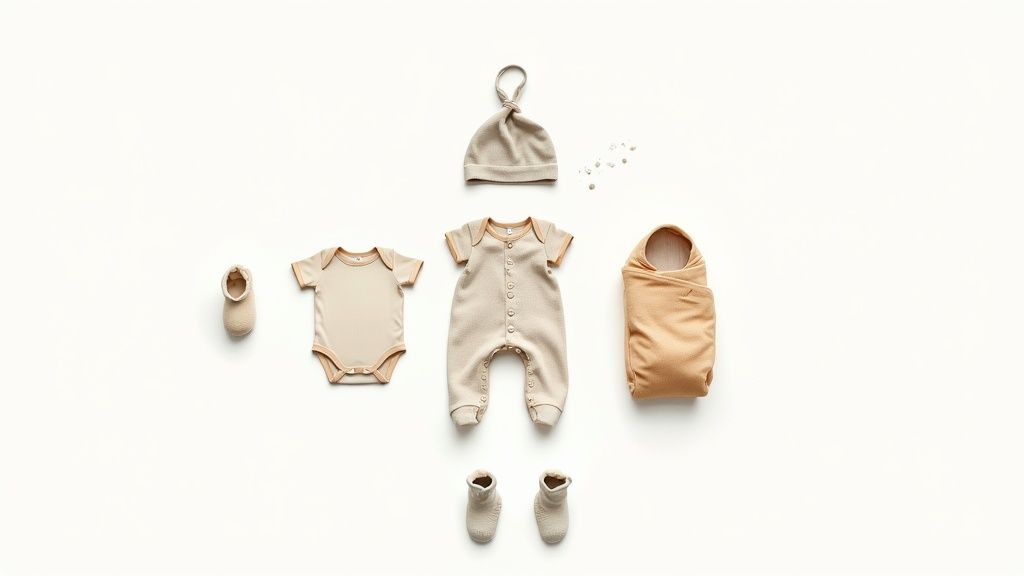
Walking into the baby section of a store can feel overwhelming. It’s a sea of impossibly cute, tiny clothes, and it's so easy to get carried away! But in those first blurry weeks, your baby’s world is very small and their needs are beautifully simple: they just want to be warm, cozy, and close to you.
That’s where the idea of a layette comes in handy. Think of it as your baby’s first capsule wardrobe. The goal isn’t to have dozens of different outfits, but to have a practical supply of core pieces that make those endless diaper changes a little easier on everyone. A well-planned layette truly is a sanity-saver.
The Absolute Must-Haves
Let's cut right to it. Here are the items you'll be reaching for over and over again. These are the true workhorses of a newborn's wardrobe, designed for round-the-clock comfort and convenience.
-
Bodysuits (5-7): You might know them as onesies, and they are the undisputed champion of baby clothes. They snap at the crotch, which is brilliant for keeping them from riding up and exposing your baby’s tummy to a chill. Pro tip: look for the ones with "envelope" or "lap" shoulders—they can be pulled down over the body, which is a game-changer during a major diaper blowout.
-
Sleepers or Sleep-and-Plays (4-6): These are cozy, one-piece wonders that cover your baby from neck to toe, perfect for napping and playing (hence the name!). When you have a choice, always, always go for zippers over snaps. A two-way zipper that opens from the bottom is a gift from the heavens during those 3 AM diaper changes. You’ll thank me later.
-
Swaddle Blankets (3-4): Newborns love being swaddled. It recreates the snug, secure feeling of the womb and can be incredibly calming. Lightweight muslin swaddles are wonderfully versatile—they can also serve as a burp cloth, nursing cover, or a light blanket. If you’re not confident in your origami skills, swaddle sacks with velcro or zippers are a fantastic, foolproof option.
Why These Items Are So Essential
Each of these core items is there for a reason. Bodysuits are the perfect base layer, great on their own when it’s warm or under pants when it's cool. Sleepers are a complete, fuss-free outfit in a single piece. And swaddles? They’re your secret weapon for helping your baby (and you!) get a little more sleep.
A minimalist approach to newborn clothing not only simplifies your life but also puts your baby's comfort first. Focus on functional pieces made from soft, breathable fabrics, and you’ll have everything you truly need for those sweet, early weeks.
Building this foundational wardrobe means you’re ready for the endless cycle of eat, sleep, poop, repeat. With these basics covered, you can stress less about laundry and focus more on what really matters: soaking up every single one of those newborn cuddles.
Your Newborn Clothing Essentials At a Glance
To make it even easier, here's a quick cheat sheet summarizing the must-have items, how many you'll want, and the features that will make your life easier.
| Clothing Item | Recommended Quantity | Key Features to Prioritize |
|---|---|---|
| Bodysuits (Onesies) | 5-7 | Soft cotton, envelope shoulders (for easy removal), durable snaps. |
| Sleepers (Sleep & Plays) | 4-6 | Two-way zippers, built-in footies or hand mittens. |
| Swaddle Blankets | 3-4 | Large, breathable fabric (like muslin), or easy-to-use velcro/zipper designs. |
Think of this table as your starting point. You can always add more later, but having these essentials on hand will ensure you're well-prepared from day one.
Choosing the Softest and Safest Fabrics for Your Baby
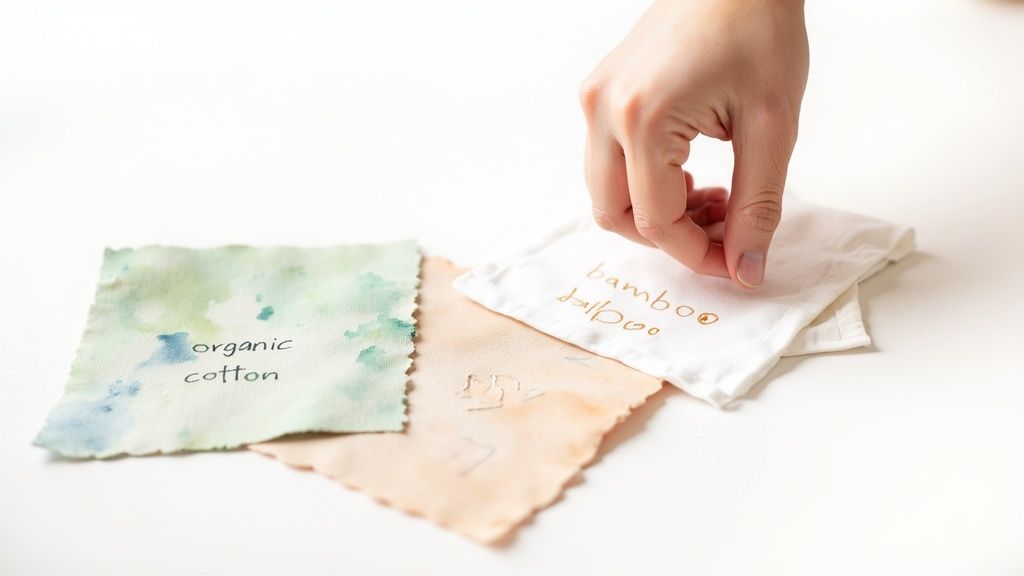
A newborn's skin is brand new to the world. It’s thinner, more sensitive, and way more absorbent than our own, which is why the fabric of their first clothes is so important. Think of their tiny outfits as the environment their skin will live in 24/7.
Sticking with soft, breathable, and safe materials can make a huge difference in keeping your little one happy and preventing skin irritations. And you’re not alone in wanting the absolute best for them! This focus on quality is a massive priority for families everywhere.
The global baby apparel market, which includes all that essential newborn clothing, is growing fast. This boom is fueled by parents who are more aware than ever about infant safety and fabric quality. It’s a worldwide trend where parents are actively seeking out hypoallergenic materials to protect their baby’s delicate skin. You can read more about these market trends and parental priorities on persistencemarketresearch.com.
Why Natural Fibers Are a Baby's Best Friend
When you're faced with racks of tiny, adorable clothes, the fabric options can feel overwhelming. But here's a simple rule of thumb that I always share with new parents: lean toward natural, plant-based fibers. They are just so much kinder to sensitive skin.
-
Breathability is Everything: Natural fibers like cotton and bamboo are little superstars when it comes to airflow. They help regulate your baby’s body temperature—keeping them cool when it’s warm and cozy when it’s chilly—which is a big deal for preventing overheating.
-
Naturally Gentle: These fabrics are soft and way less likely to trigger allergic reactions or irritate the skin. They don’t contain the harsh chemicals or dyes often found in synthetics, making them a much safer bet for everyday wear.
-
Super Absorbent: Let's be real—babies can get a little sweaty, and small leaks happen. Natural fibers are brilliant at wicking moisture away from the skin, keeping your baby dry and comfy while helping to fend off rashes.
Your Go-To Guide for Baby-Safe Fabrics
Shopping for newborn clothing gets a lot easier once you know what to look for. Here are the top fabrics that experts and seasoned parents (myself included!) always recommend for their softness, safety, and practicality.
Organic Cotton
Regular cotton is good, but organic cotton is next-level. It's grown without synthetic pesticides or fertilizers, so the finished clothing is free from harsh chemical residues. It’s incredibly soft, holds up well in the wash, and is perfect for everything from bodysuits to PJs. For a deeper dive, check out our guide to the best organic cotton baby clothes.
Bamboo Viscose
Bamboo is another amazing choice that feels almost silky-smooth to the touch. It's famous for being ultra-soft and hypoallergenic. Plus, bamboo fabric is naturally thermo-regulating, which is just a fancy way of saying it's great for keeping your baby comfortable no matter the season.
Quick tip: When you’re checking a clothing label, keep an eye out for certifications like GOTS (Global Organic Textile Standard) or OEKO-TEX Standard 100. These are your guarantee that the fabric has been tested and is free from a long list of harmful stuff, giving you total peace of mind.
Choosing the right fabric is one of the simplest yet most meaningful ways to care for your baby. By opting for soft, natural, and certified materials, you're literally wrapping them in comfort and safety.
Decoding Newborn Sizes for the Perfect Fit
Stepping into the baby aisle can feel like trying to crack a secret code. You'll see tags that say "Newborn," others labeled "0-3 Months," and some with a weight range like "5-8 lbs." It's completely normal to feel a bit overwhelmed and just wonder, "What size does my baby actually need?"
Let's demystify this together. Here’s the single most important thing to know: baby clothing sizes aren't standardized across brands. What one company calls "Newborn" might be identical to another's "0-3 Months."
This is exactly why relying on age alone is a fast track to frustration. The best way to shop is by using your baby’s weight and length as your guide. These measurements will give you a much more accurate idea of what will fit your little one comfortably and safely.
Why Weight and Length Matter Most
Think of age-based labels like "Newborn" or "3 Months" as a rough estimate, but consider weight and length the real-deal measurements. A baby born at a healthy 9 pounds might skip the "Newborn" size entirely and jump right into "0-3 Months" outfits. On the other hand, a smaller baby might get several weeks of wear out of their "Newborn" clothes.
This is why so many experienced parents suggest this simple strategy:
- Buy just a few "Newborn" pieces: Grab only a handful of essentials in this size, like a few bodysuits and sleepers. They might outgrow them in the blink of an eye.
- Focus on "0-3 Months": Stock up more generously on this size. It provides a much longer window for wear, giving you better value and making sure you always have a clean outfit ready to go.
A Safe and Proper Fit is Everything
Getting the right fit isn't just about cute photo ops—it's a critical part of your baby's safety. Clothes need to be snug enough to be safe but loose enough for comfort and movement.
The sweet spot is a fit that's "just right"—never so tight that it restricts breathing or wiggling, and never so loose that it could become a hazard. This is especially vital for sleepwear, where extra fabric can be a risk in the crib.
A well-fitting outfit lets your baby stretch, kick, and explore their new world without being held back. For instance, a footie pajama that’s too short can uncomfortably curl their tiny toes, while one that's too big could have fabric bunching up near their face while they sleep. Always double-check that snaps are secure and zipper pulls have a fabric guard to protect their delicate skin from pinches.
Keeping up with sizing can feel like a full-time job as your baby grows. To help you plan for what's next, our guide on baby clothing sizes from 0-3 years gives you a great overview for the road ahead. Staying one step ahead of those growth spurts ensures your little one is always dressed safely and comfortably.
Dressing Your Newborn for Any Season
One of the first things new parents worry about is whether their baby is too hot or too cold. It’s a valid concern! Newborns can't regulate their own body temperature nearly as well as we can, so figuring out their wardrobe takes a little practice. The good news? There's a simple trick that makes it so much easier.
Just remember this golden rule: dress your baby in one more thin layer than you are comfortably wearing. If you're feeling good in a t-shirt, your baby will probably be perfectly cozy in a long-sleeved bodysuit and a light swaddle. Layering is your best friend for keeping your little one comfortable all year long.
This need for versatile, season-ready gear is a huge reason the newborn clothing market is always growing. The baby outerwear category alone was valued at a whopping USD 34.80 billion back in 2019. That tells you just how much parents rely on having the right layers on hand. You can see more baby clothing market trends on technavio.com to get the full picture.
Dressing for Warm Weather
When the temperature starts to climb, the name of the game is keeping your baby cool and protected. Overheating is a real risk for infants, so think light, loose, and breathable.
Often, a single layer is all you need. A simple cotton bodysuit can be the perfect outfit for a warm day spent inside. If you’re venturing out, though, remember that a baby's skin is incredibly sensitive to the sun.
- Choose Breathable Fabrics: Stick with materials like organic cotton or bamboo. They let air circulate, wick away moisture, and keep your baby’s skin dry and happy.
- Prioritize Sun Protection: A wide-brimmed sun hat is an absolute must-have for any outdoor time. For longer stretches outside, consider lightweight, long-sleeved outfits designed with sun protection in mind.
- Do a Quick Check: Feel the back of your baby's neck or their tummy. If they feel sweaty or hot to the touch, it’s a sign to remove a layer or find a cooler spot.
Navigating Colder Months Safely
Keeping your baby warm in the winter is all about smart, safe layering. It's so tempting to bundle them up in the fluffiest snowsuit you can find, but that can actually cause them to overheat and poses a serious risk in a car seat.
The real secret is to use several thin, breathable layers instead of one bulky one. This simple trick traps warm air between the layers and gives you the flexibility to add or remove clothing as you move from the chilly outdoors to a toasty warm store.
A great winter layering system for a newborn might look like this: start with a soft cotton bodysuit as a base, add a pair of footed pajamas, and top it off with a thin fleece or knit sweater. A hat and mittens are also essential for keeping that precious body heat from escaping.
As you build out your baby's wardrobe for every season, this guide can help you make sense of sizing. It's much better to go by your baby's actual weight and length instead of just the age on the tag.
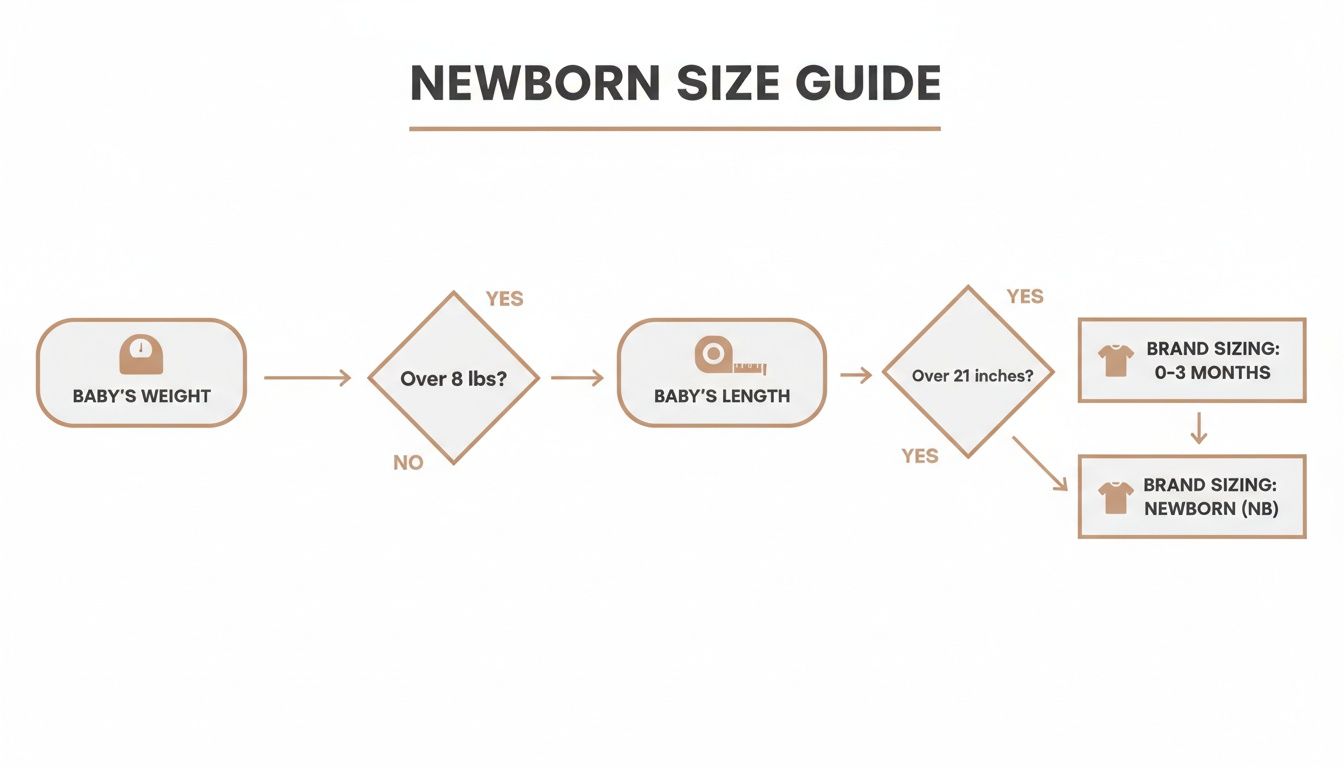
This flowchart really simplifies things, showing you how checking measurements first helps you find a comfortable and accurate fit, no matter the brand.
The Critical Car Seat Rule
This is one safety tip every single parent needs to know by heart: never put your baby in a car seat while they are wearing a bulky coat or snowsuit.
Why is this so important? In a crash, all that puffy material compresses instantly, creating a huge gap between the harness straps and your baby. This slack means the harness is far too loose to hold them securely, which can be incredibly dangerous.
Instead, here’s how to travel safely in the winter:
- Dress your baby in thin, snug-fitting layers.
- Place them in the car seat and tighten the harness until it's snug. You shouldn’t be able to pinch any extra webbing at their collarbone.
- Once they are buckled in safely, you can lay a blanket over them or even put their coat on backward, over the harness straps.
Once you get the hang of layering, you can feel confident that your newborn is always dressed just right—safe, comfortable, and ready for whatever the day brings.
How to Wash and Care for Baby Clothes
For such tiny people, newborns sure can create a mountain of laundry! It’s one of those things that can feel absolutely endless in the early days. But here's the good news: washing their delicate little clothes doesn't have to be a complicated chore. With a few simple tweaks to your routine, you can keep their outfits soft, safe, and clean without adding more to your already full plate.
The most important thing to get right from the start is the detergent. A newborn's skin is incredibly sensitive and can easily get irritated by the fragrances, dyes, and harsh chemicals lurking in many standard laundry detergents. Choosing a gentle, fragrance-free and dye-free detergent is one of the kindest things you can do for your baby’s skin.
Choosing the Right Detergent
You’ll see a ton of detergents marketed specifically for babies, but are they really a must-have? Not always. The real secret is just finding a formula that's hypoallergenic and free of all those potential irritants. In fact, many "free and clear" detergents designed for sensitive skin work just as well as the baby-specific brands, and you can use them for the whole family's laundry.
- Look for "Free & Clear": This label is your best friend. It’s a good indicator that the product is free from perfumes and dyes, which are the most common culprits behind skin reactions.
- Skip the Fabric Softeners: Liquid fabric softeners and dryer sheets are notorious for leaving a chemical residue on clothes that can easily bother a baby's delicate skin. A fantastic natural alternative is to add a splash of white vinegar to the rinse cycle—it works wonders to soften fabrics.
A study on infant skin found that avoiding harsh chemicals and potential allergens in products like laundry detergents can significantly help in preventing irritation. Keeping your baby's clothing free from these residues supports their developing skin barrier.
Oh, and don't forget to wash all those new clothes before your baby wears them for the first time! This simple pre-wash gets rid of any dust, dirt, or other irritants that might have settled on the fabric during manufacturing and shipping.
A Simple Laundry Routine for Baby Clothes
Once you've got your gentle detergent, the actual washing process is pretty straightforward. You don't need any fancy settings or complicated methods to get those tiny garments perfectly clean and soft.
-
Separate at First: For the first few months, it’s a good idea to wash your baby’s clothes separately from the rest of the household laundry. This little step helps prevent germs and any leftover harsh detergent residues from transferring over.
-
Tackle Stains Quickly: Spit-up and diaper blowouts are just a fact of life with a newborn. Rinsing a fresh stain with cold water immediately can work wonders. For tougher spots, let the item pre-soak in a bit of water and your gentle detergent before tossing it in the wash. This helps lift the stain without needing to use harsh chemicals.
-
Use the Gentle Cycle: Wash baby clothes using a gentle or delicate cycle with cold or warm water. This is much less abrasive on those soft fabrics, which helps them last longer and stay cozy for your little one.
-
Dry with Care: High heat can make cotton shrink and wear out faster. Tumble dry baby clothes on a low-heat setting. Even better, line-dry them when you can. A little bit of sunshine is a natural and surprisingly effective stain remover and disinfectant—especially for those stubborn spit-up spots on white bodysuits.
Packing for the Hospital and Baby's First Adventures
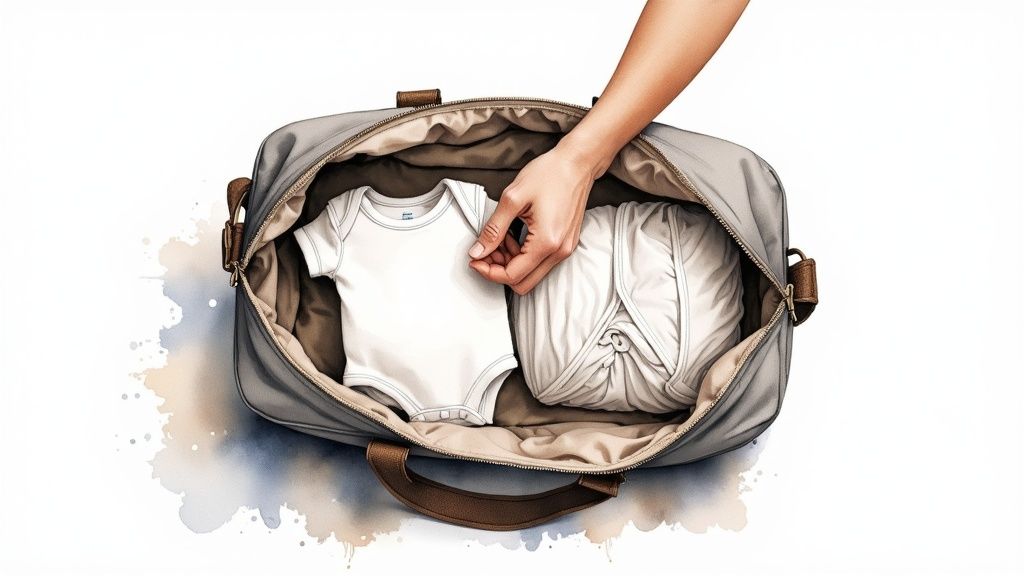
As your due date creeps closer, one of the most exciting nesting rituals is packing the hospital bag. It’s that moment when everything starts to feel incredibly real! It's so tempting to stuff it with every adorable outfit you've collected, but trust me on this one: focusing on practical, simple pieces will make those first few blurry days so much easier.
When you're thinking about newborn clothing for the hospital stay, the key words are simple and functional. The hospital will have little shirts and swaddles on hand, but bringing your own soft, familiar items can make the experience feel much cozier for everyone.
The journey of those tiny clothes to your hospital bag is actually part of a massive global industry. Export giants like Bangladesh and China ship an incredible 81,000 tons of baby garments, valued at $2.1 billion, all over the globe. On the other side, countries like the U.S. and France import 93,000 tons worth $1.9 billion. It’s a testament to how much families everywhere rely on these supply chains for their baby essentials. You can dig deeper into the worldwide market for baby clothes on indexbox.io.
Your Hospital Bag Checklist for Baby
Comfort and convenience are your best friends here—this isn't the time for fussy outfits with a million snaps. A few carefully chosen pieces are all you need to feel ready. For an even more detailed breakdown, you can see our complete guide on what to pack in your hospital bag for baby.
Here’s a simple checklist to get you started:
- Bodysuits (2-3): A few soft, long-sleeved bodysuits are perfect. Look for ones with lap-shoulders or zippers to make changes less of a wrestling match.
- Sleepers (2-3): Footed sleepers with two-way zippers are an absolute game-changer for those middle-of-the-night diaper changes.
- The Going-Home Outfit: This is the big one! Pick something comfy, camera-ready, and right for the season. Just remember to keep car seat safety in mind—avoid bulky layers that can interfere with the harness.
- A Soft Hat (1): A simple, snug beanie is all you need to keep your newborn’s head warm and cozy.
- Socks or Booties (2 pairs): Even if the sleeper has feet, an extra pair of soft socks adds another layer of warmth.
- Swaddle Blanket (1): The hospital will have blankets, but bringing your own soft, familiar swaddle is a wonderful, comforting touch from home.
Packing the Diaper Bag for Those First Outings
Once you're home, your diaper bag essentially becomes your mobile command center for any trip—even if it's just a quick visit to the pediatrician. Being prepared for anything is the secret to a stress-free outing.
Here's a good rule of thumb for a newborn's diaper bag: always pack for a “what if” scenario. A sudden spit-up or an unexpected diaper blowout can happen anywhere. Having a backup outfit on hand turns a potential crisis into a minor hiccup.
Your diaper bag should always have at least one full change of clothes—that means a bodysuit, pants, and socks. If you're heading out for a longer trip or the weather looks unpredictable, packing two backup outfits is an even better idea. A spare sleeper is a great all-in-one option for a quick change.
And don't forget to tuck in a lightweight blanket or a muslin swaddle! It’s one of the most versatile things you can carry—perfect for extra warmth, a bit of shade, or a clean surface to lay your baby on.
Your Newborn Clothing Questions Answered
Dressing a tiny human brings up a lot of questions, and trust me, you're not the only one asking them. Every new parent stands in front of a pile of baby clothes wondering if they’re getting it right. Let's clear up some of that confusion with answers to the questions we hear all the time.
How Many Clothes Do I Really Need in Newborn Size?
This is the million-dollar question, isn't it? The honest answer is: probably not as many as you think. Babies grow incredibly fast, and the "Newborn" (NB) size is often outgrown in a matter of weeks. Some bigger babies might even skip it entirely!
A good rule of thumb is to start with 5-7 bodysuits and 4-6 sleepers in the newborn size. This should be plenty to cover a couple of outfit changes a day without you being buried in laundry or stuck with clothes they wore only once. My advice? Go a bit heavier on the 0-3 month size instead—you'll get a lot more mileage out of those.
Remember, this is just a starting point. If you plan on doing laundry every other day, you can get by with even less. The goal is to feel prepared, not overwhelmed by a closet bursting with tiny outfits.
What Are the Most Important Safety Features to Look For?
Above all else, your baby's safety comes first. That adorable outfit is only perfect if it's perfectly safe. Here’s what to keep a sharp eye out for when you're shopping.
- Avoid Choking Hazards: Say no to clothes with loose buttons, decorative beads, bows, or long ties. Little hands are surprisingly good at grabbing things, and these can easily become a choking risk. Simple is always safest.
- Check for Secure Fastenings: Give snaps a gentle tug to make sure they’re firmly attached. If you're looking at a zippered item, check for a fabric guard at the top—it's a small detail that prevents the zipper from pinching that delicate chin.
- Inspect for Loose Threads: Before you put anything on your baby, do a quick inside-out check for loose threads. This is especially important for socks and mittens, where a single thread can wrap around a tiny toe or finger and cause serious problems.
- Choose Snug-Fitting Sleepwear: When it comes to pajamas, a snug fit is non-negotiable. Loose fabric can be a suffocation hazard in the crib. For peace of mind, look for sleepwear that’s labeled as flame-resistant.
What Is the Difference Between a Bodysuit a Onesie and a Sleeper?
All the different terms can feel like a new language, but the differences are actually pretty simple!
Think of a bodysuit as a t-shirt with snaps at the crotch. That simple design is genius because it keeps the shirt from riding up and exposing your baby’s little tummy to the cold. It’s the ultimate layering piece.
You've probably heard the term Onesie®, too. That's actually a brand name for bodysuits made by Gerber. It's become so popular that people use it to describe any bodysuit, kind of like how we say "Kleenex" when we mean a tissue.
A sleeper (sometimes called a "sleep-and-play") is a full-body, one-piece outfit that covers your baby from neck to feet. Just like the name says, it's perfect for both sleeping and playing, making it one of the most practical items you'll own.
At Mimou Babywear, we believe dressing your newborn should be a joyful and simple part of your day. We’ve designed our collections to be soft, safe, and easy, keeping your little one cozy through every nap, cuddle, and milestone.
Shop our collection of newborn essentials at mimoubabywear.com