

“Newborn” and “0–3 months” sound like they should mean the same thing — a baby is, after all, a newborn during their first three months. But on a clothing label they're two different sizes, and confusing them is one of the most common (and frustrating) reasons new parents end up with outfits that either swamp their baby or don't fit at all. Understanding the difference — and which to buy — saves money, returns, and the disappointment of a coming-home outfit that doesn't fit. Here's how these two sizes actually work.
What “Newborn” Size Actually Means
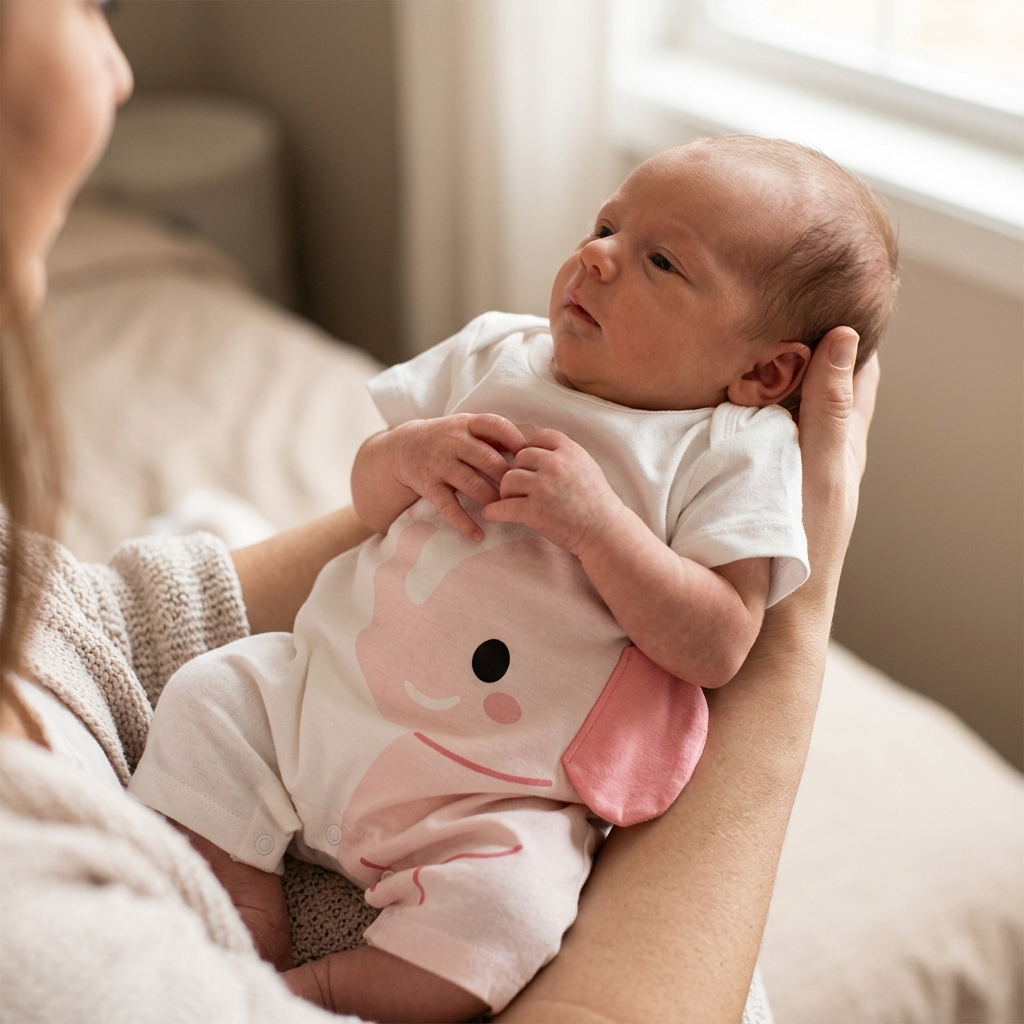
“Newborn” (sometimes labelled “NB” or “First Size”) is the smallest standard baby size, designed for the average newborn from birth. It typically fits babies up to around 4.5 kg (10 lb) and roughly 56 cm in length. It's cut for the smallest weeks — and because the average newborn weighs around 3–3.5 kg at birth, many babies fit it only for a few short weeks before moving up.
What “0–3 Months” Means
“0–3 months” is the next size up, and despite the “0” in its name, it's cut larger than newborn — typically for babies from around 4.5 kg up to 5.7 kg (10–12.5 lb) and about 56–61 cm. The “0” misleads a lot of parents into thinking it fits from birth like newborn size; in reality it's roomier and many average-or-larger babies move into it quickly (and some larger babies start in it).
| Size | Weight | Length |
|---|---|---|
| Newborn (NB) | Up to ~4.5 kg (10 lb) | Up to ~56 cm |
| 0–3 months | ~4.5–5.7 kg (10–12.5 lb) | ~56–61 cm |
Which Should You Buy?
The honest answer: a little of both, but don't overbuy newborn. Since you can't know your baby's exact birth size in advance:
- Buy a small number of newborn-size basics (a few sleepsuits and bodysuits) so something fits a smaller baby from day one — including a newborn going-home option.
- Buy more in 0–3 months, which most babies grow into quickly and wear for longer.
- Have both sizes of the coming-home outfit ready, so whatever size your baby arrives, one fits.
- Keep tags on and receipts handy for the smallest sizes until you meet your baby.
If your baby is on the larger side at birth (or arrives “big” on a scan), you can lean more toward 0–3 months. If they're smaller or early, you may need newborn or even preemie sizes — see our premature baby clothes guide.
Why Brands Make It Even More Confusing
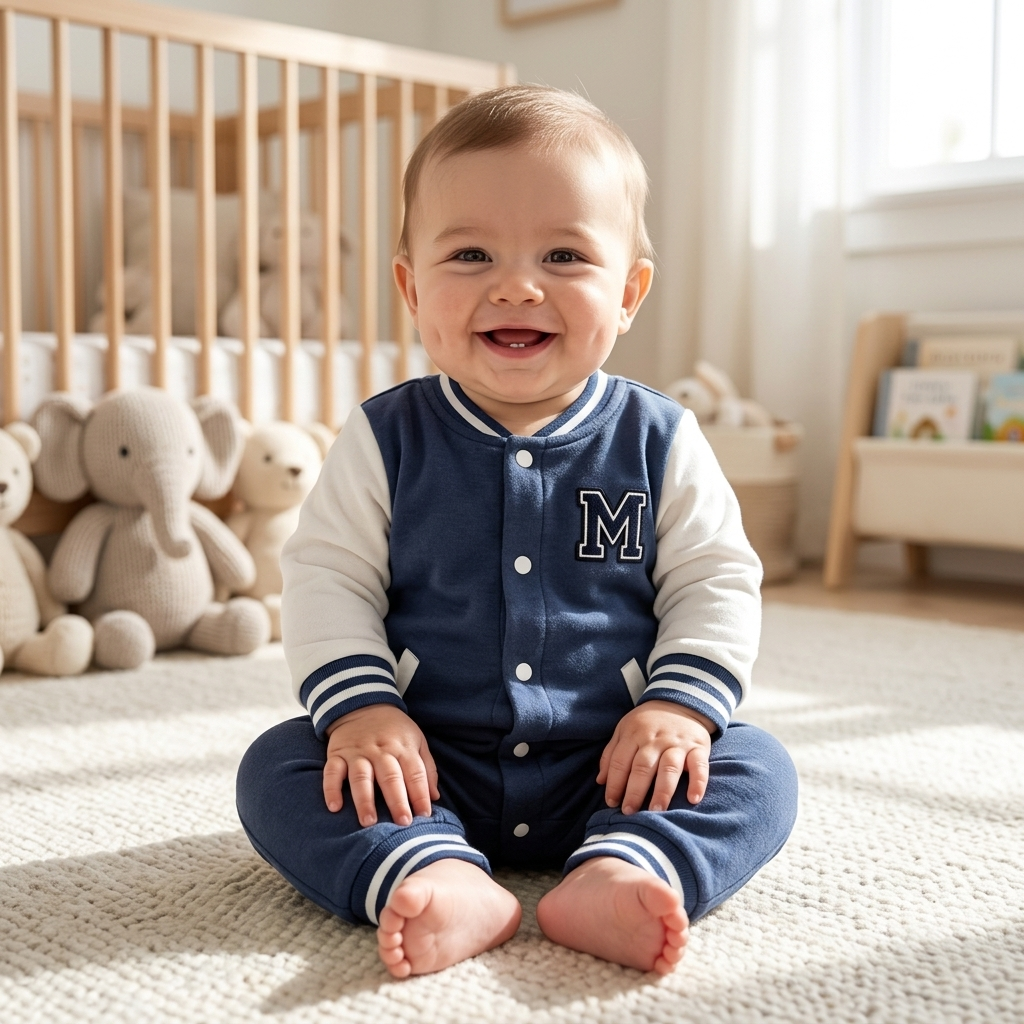
Two babies of the same weight can fit different sizes in different brands, because sizing isn't standardised. One brand's “newborn” may run larger than another's “0–3 months”. The reliable fix is always the same: shop by your baby's weight and length, not the size name, and check each brand's own size chart where available. US, UK, and EU conventions also differ, so a weight in kilograms or pounds is the most dependable guide across them all. Our full baby clothes size chart lays out every size by weight and height.
How to Tell Which Size Fits
- Poppers close without straining, with a little room at the shoulders and hips
- Sleeves and legs reach roughly to wrist and ankle with growing room, not bunched or riding up
- The bodysuit crotch closes without pulling the shoulders down (the classic sign it's been outgrown)
- Nothing leaves red marks when removed
The Bottom Line
“Newborn” is the smaller, birth-size cut; “0–3 months” is the roomier next size up despite its name. Most babies wear newborn for only a few weeks (some skip it), so buy lightly in newborn and more in 0–3 months, keep both sizes of key pieces ready, and always shop by weight and length rather than the label. Get this one distinction right and you'll dodge the single most common baby-clothes-sizing headache.
For sizing across every age, see our baby clothes size chart, and browse soft newborn and 0–3 month pieces in our collections.