


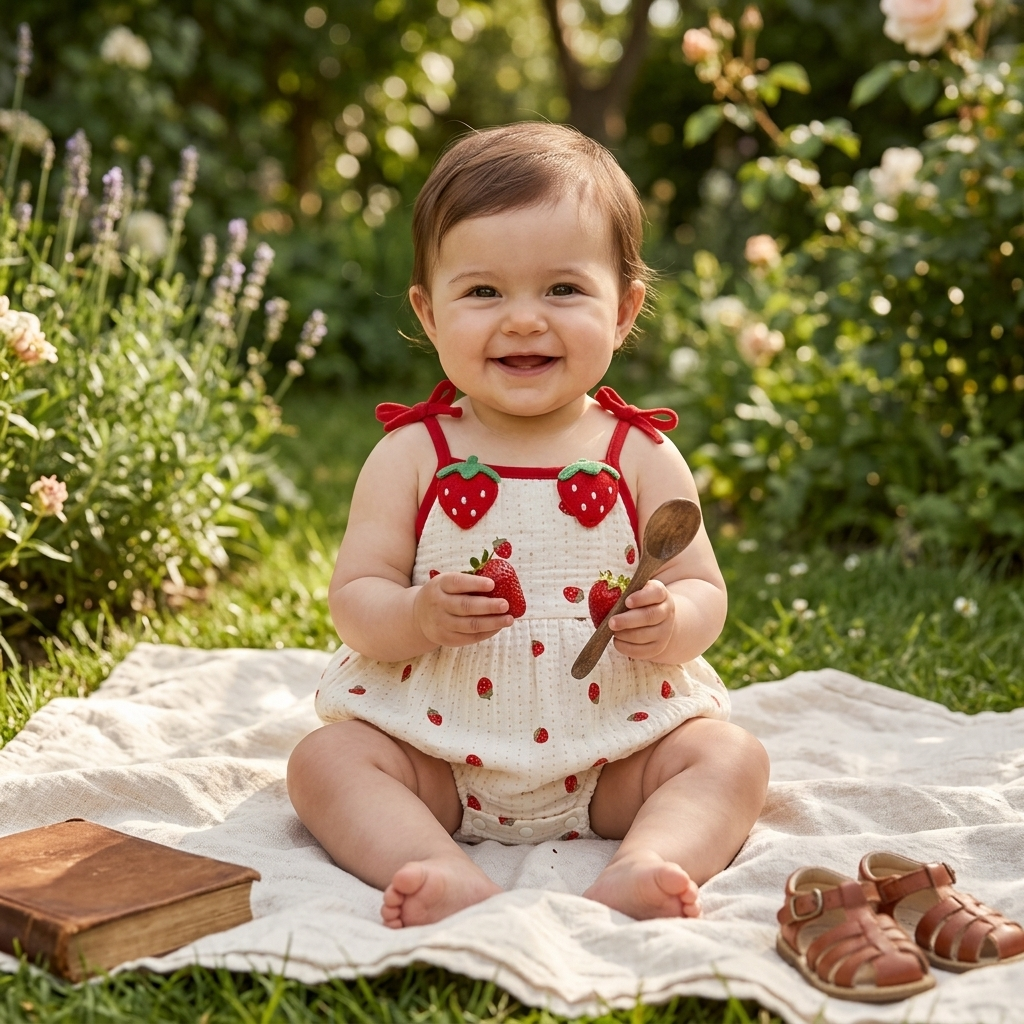
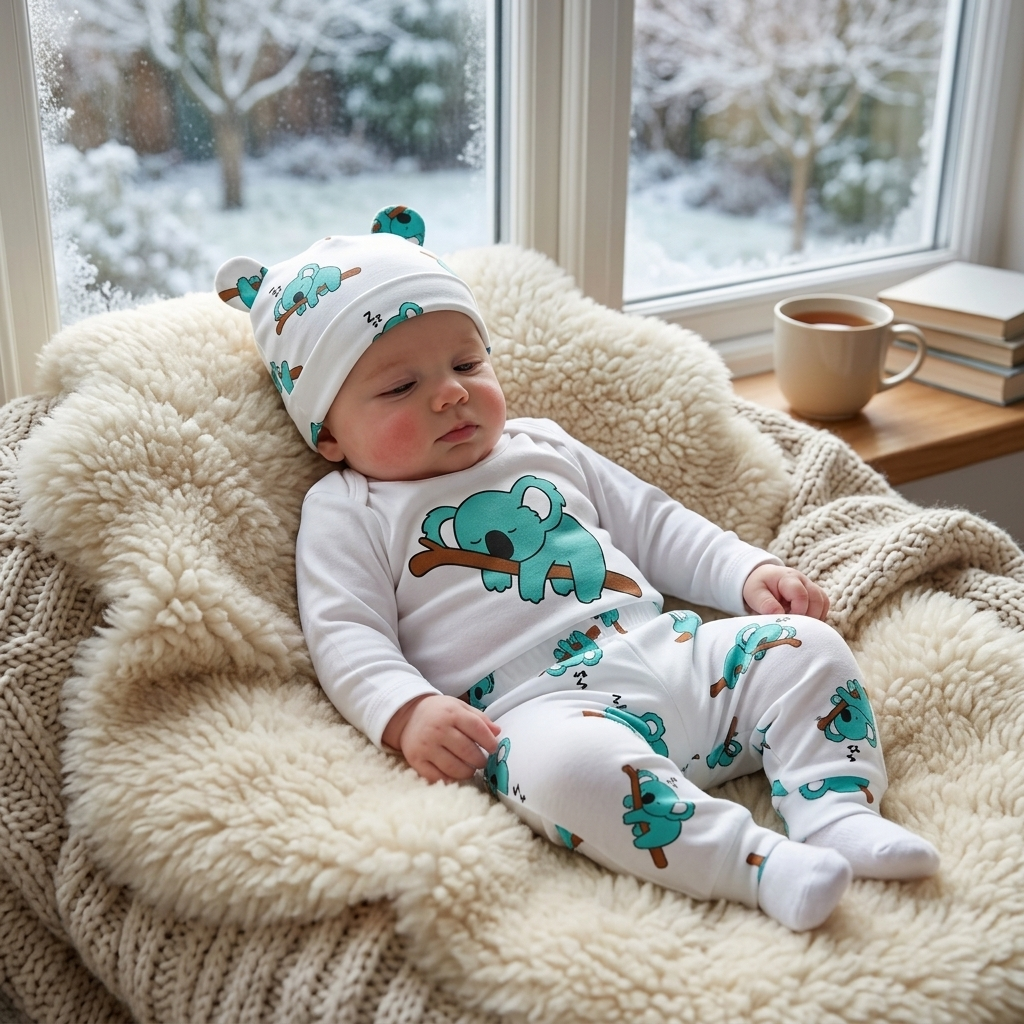
Here's a mistake almost every new parent makes at least once: buying an adorable outfit in the wrong size for the wrong season, so it fits perfectly in, say, the depths of winter — except it's a sleeveless summer romper. Because babies grow through sizes at a predictable-ish rate, a little planning lets you buy the right size for the right season and waste almost nothing. Here's how to think about baby clothes by season, so what you buy actually gets worn.
Why Season and Size Have to Be Planned Together
A baby's clothing size is tied to age, and age is tied to the calendar — so the season your baby will be a given size is entirely predictable. A baby born in spring will be in the smallest sizes for spring/summer and bigger sizes by winter; a baby born in autumn does the opposite. Buy without thinking about this and you end up with warm-weather clothes that fit in the cold, and vice versa. The trick is to map size to season before you buy (start from our size chart for which age is roughly which size).
A Rough Size-by-Age Timeline
As a general guide (every baby differs), most babies wear roughly:
- Newborn / 0–3 months: birth to ~3 months
- 3–6 months: ~3 to 6 months
- 6–9 / 6–12 months: ~6 to 12 months
- 12–18 months: ~1 to 1.5 years
- 18–24 months: ~1.5 to 2 years
Take your baby's birth month, line it up against this, and you can see which season each size will land in.
Worked Examples by Birth Season
- Spring baby: Newborn sizes in spring, 3–6m in summer, 6–12m in autumn/winter (so buy the bigger sizes warm), 12–18m the following spring/summer.
- Summer baby: Newborn in summer (light layers), bigger sizes heading into autumn and winter — buy 6–12m as cold-weather clothes.
- Autumn baby: Newborn in autumn, small sizes through winter (warm), bigger sizes into spring/summer — so 6–12m as warm-weather clothes.
- Winter baby: Newborn needs warm layers, then grows into spring/summer for the middle sizes — buy 3–6m and 6–12m lighter.
Smart Rules to Avoid Waste
- Buy the current size for now, plan the next size for its season: Only stock up on upcoming sizes once you know what weather they'll meet.
- Size up for the season, not down: If a size straddles two seasons, buy it in the fabric weight for the later (bigger) part — babies more often skip ahead than lag.
- Don't over-buy newborn: Many babies leave newborn size in weeks — buy sparingly regardless of season (see our layette checklist).
- Use adaptable layering pieces: Bodysuits, cardigans, and layers bridge seasons better than single heavy or ultra-light items (see our layering guide).
- Leave room for gifts and hand-me-downs: You'll receive plenty — buy to fill gaps, not to duplicate (see our hand-me-downs guide).
Build It Into a Seasonal Capsule
The easiest way to apply all this is one small, season-appropriate capsule per size: a handful of coordinated pieces suited to the weather that size will meet, refreshed as your baby grows into the next size and the next season. You buy less, waste less, and always have weather-right clothes that fit (see our capsule wardrobe guide).
The Bottom Line
Baby clothes by season comes down to one habit: map size to the calendar before you buy. Work out which season your baby will be each size, buy the warm sizes for the cold months and the light sizes for the warm ones, don't over-buy newborn, and lean on adaptable layers and a small seasonal capsule. Plan this way and almost everything you buy gets worn — no more perfect outfits that never fit the weather.
Browse our seasonal rompers, sets, and layering pieces in the collections, and pair this with our size chart to plan each size for its season.