


Building a baby registry is exciting — until you hit the clothing section and face a wall of impossibly cute options. How many bodysuits? Which sizes? What actually gets used versus what sits in a drawer with the tags on? Here's a no-fluff clothing checklist for your registry: the pieces that earn their place, in the amounts and sizes that make sense.
First rule: register light on newborn, heavy on 0–3 months
The most common registry mistake is loading up on Newborn (NB) size. Many babies are only in NB for a week or two, and some skip it entirely. Register a few NB pieces and put the bulk of your list in 0–3 months, which lasts far longer. If the NB-vs-0–3 difference is fuzzy, our guide on newborn vs 0–3 months sizes clears it up.
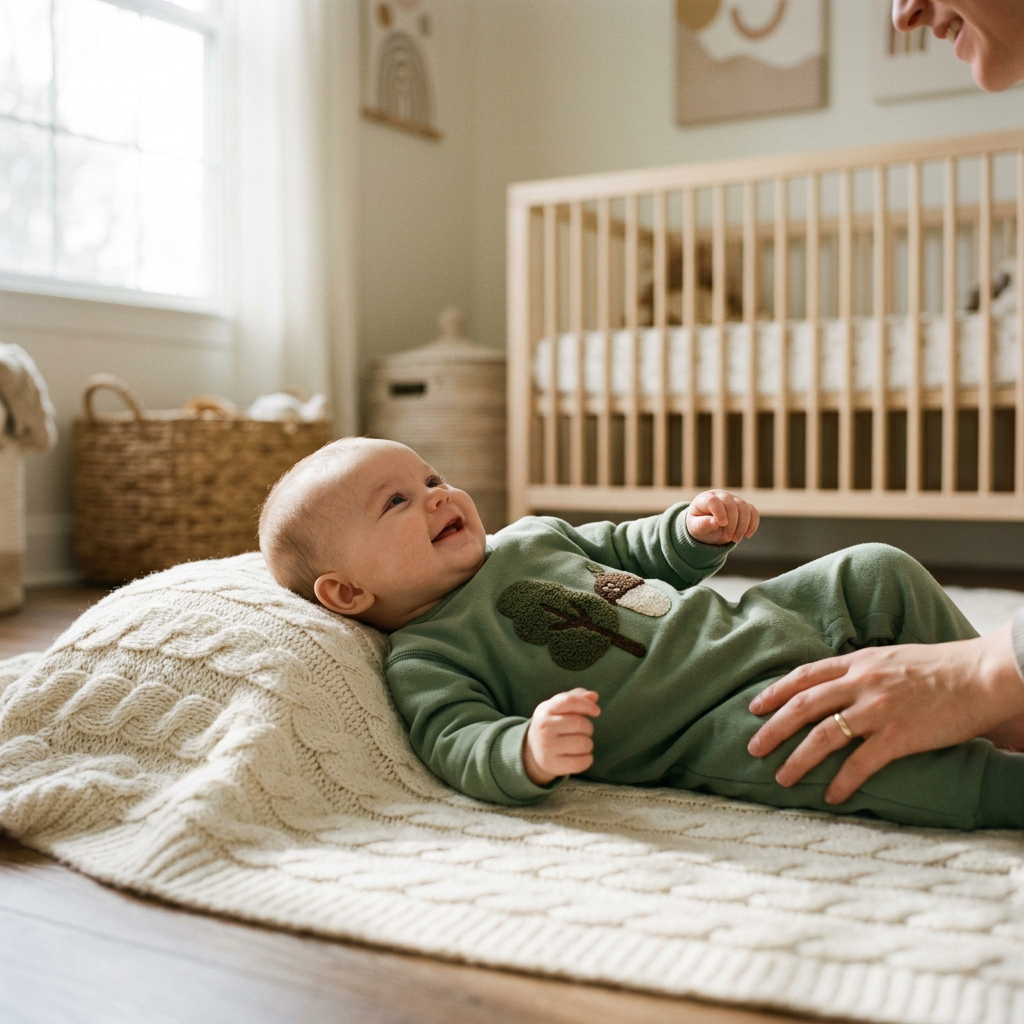
The core clothing checklist (by category)
These are the pieces that do the heavy lifting in the first few months. Amounts are per size (NB and 0–3M):
- Bodysuits — 6 to 8. Short- and long-sleeve. The base layer of everything; you'll wash them constantly.
- Sleepsuits / footed sleepers — 6 to 8. Babies live in these day and night early on. Zip or full-snap fronts save you at 3 a.m.
- One-piece rompers / jumpsuits — 3 to 5. Easy outfits with no separate pieces to coordinate.
- A few sets — 2 to 3. Multipacks stretch value and give you coordinated mix-and-match pieces.
- Swaddles — 2 to 3, plus hats — 2, socks/booties — a few pairs, and scratch mittens.
- A cardigan or light jacket — 1 to 2 for layering.
Not sure on totals? Our full breakdown of how many baby clothes you actually need lays it out size by size.
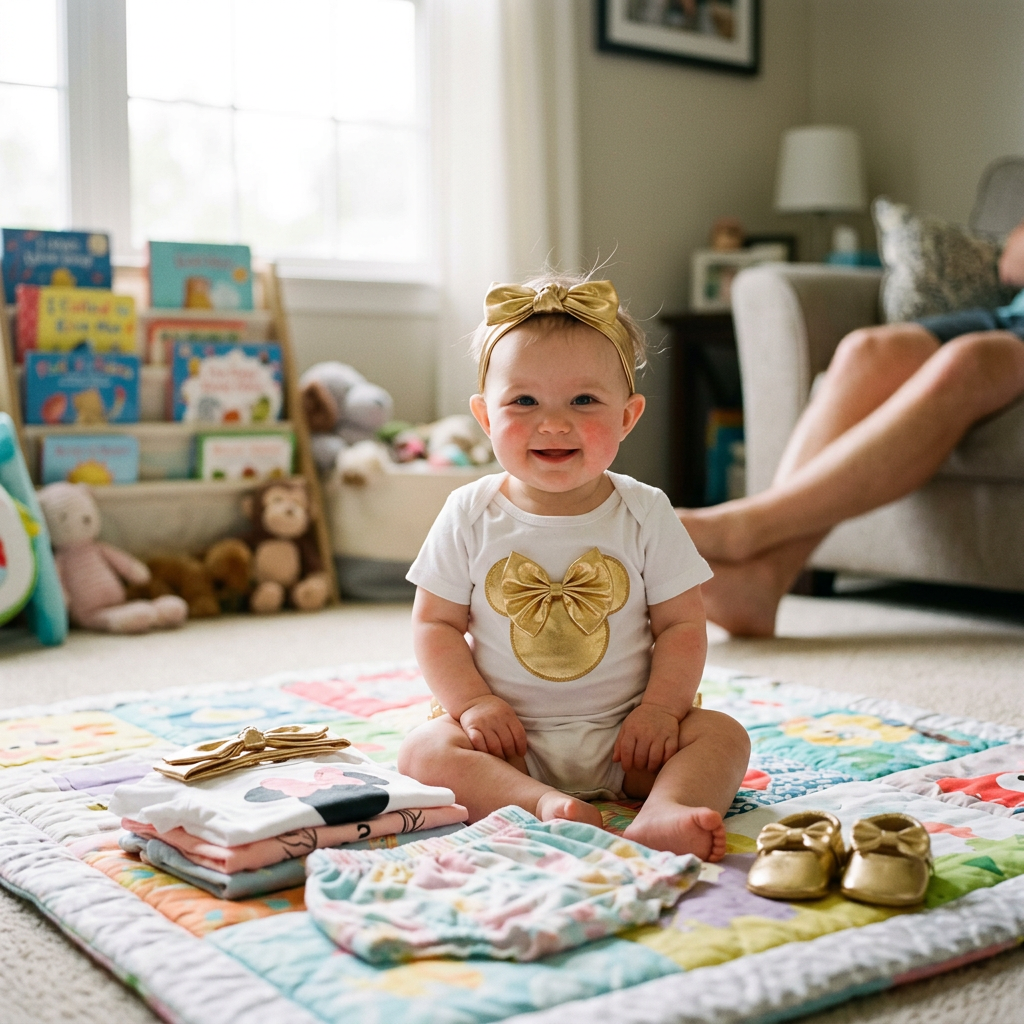
Register for the season your baby will grow into
A baby born in winter will be in 6–9 month sizes by summer — so register some larger sizes matched to the right season, not just the birth month. This one shift saves you from a drawer of warm sleepsuits your baby never wears in July.
Prioritise easy fastenings and safe designs
On the registry, favour front snaps, zips, and wide envelope necklines over fussy buttons up the back. And keep the safety basics in mind — no neck or hood drawstrings, no loose decorations that could detach. Our baby clothes safety guide covers what to check.
Choose soft, breathable fabrics for skin-contact pieces
For the bodysuits and sleepwear worn against the skin all day, soft breathable natural fibres matter most — gentler on delicate skin and less likely to overheat. Well-made organic cotton baby clothes are worth prioritising here.
What to skip (or register sparingly)
- Piles of newborn size — a few is plenty.
- Special-occasion outfits — babies outgrow them before they wear them. One or two, max.
- Shoes for non-walkers — soft booties or socks do the job; save real shoes for when baby walks.
- Too many of any one size — babies grow fast, and gifts will fill gaps you didn't expect.
A note on sizing your list
Register across a couple of sizes rather than everything in NB. A rough split: a little NB, a solid core of 0–3M, and a lighter set of 3–6M to grow into. Check pieces by weight, not just the age label — our baby clothing size chart sorts sizes by weight, which is especially useful if your baby arrives early or petite.
The takeaway
A great registry clothing list is short, smart, and season-aware: lean on 0–3 months, cover the core categories in sensible amounts, prioritise easy fastenings and soft fabrics, and skip the stuff that never gets worn. Do that, and you'll open your baby's first wardrobe to find exactly what you need — and very little you don't.