


Whether you've just been told your baby may arrive early, or you're already home with a smaller-than-expected newborn, the clothing question comes fast: what size do I actually buy? Standard newborn clothes are built for a full-term 7–8 lb baby, and they can swamp a premature or low-birth-weight baby completely. Buying the right sizes — in the right quantities — saves money and spares you a drawer of outfits your baby can't wear yet. Here's a practical shopping guide for a baby who comes early.
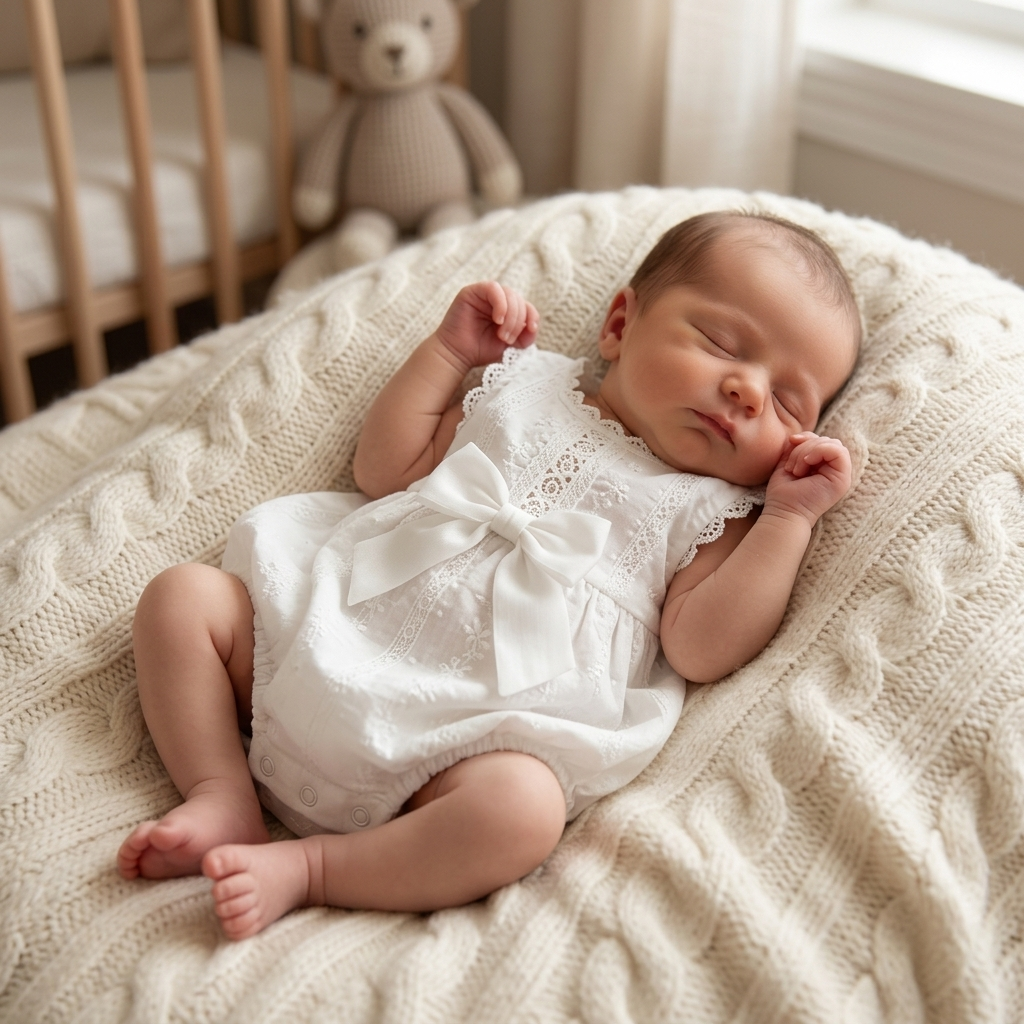
Buy by Weight, Not by Age
The most important rule when a baby comes early: weight decides the size, not the label's age. Age columns assume full-term growth, which doesn't apply to a premature baby. The rough weight bands to shop by:
- Micro preemie: under ~3–5 lb (1.4–2.3 kg)
- Preemie: ~5–6 lb (2.3–2.7 kg)
- Newborn: ~6–9 lb (2.7–4.1 kg)
- 0–3 months: ~9–12 lb (4.1–5.4 kg)
If you know or can estimate your baby's weight, buy to that band. Our premature clothes size chart has the full weight-to-size breakdown to shop from.
How Much to Buy (Hint: Less Than You Think)
The single most common mistake is over-buying the smallest sizes. Premature babies can move through preemie and newborn sizes quickly once they start gaining, so a huge preemie wardrobe often goes barely worn. A sensible starting point:
- Preemie size: a small set — around 5–7 pieces — enough to rotate through washing, no more.
- Newborn size: a slightly larger set, since most babies spend a bit longer here.
- 0–3 months: buy ahead only lightly — you'll have time, and you'll receive gifts.
Buy small, watch how fast your baby grows, and top up the size they're actually in. It's far cheaper than guessing big.
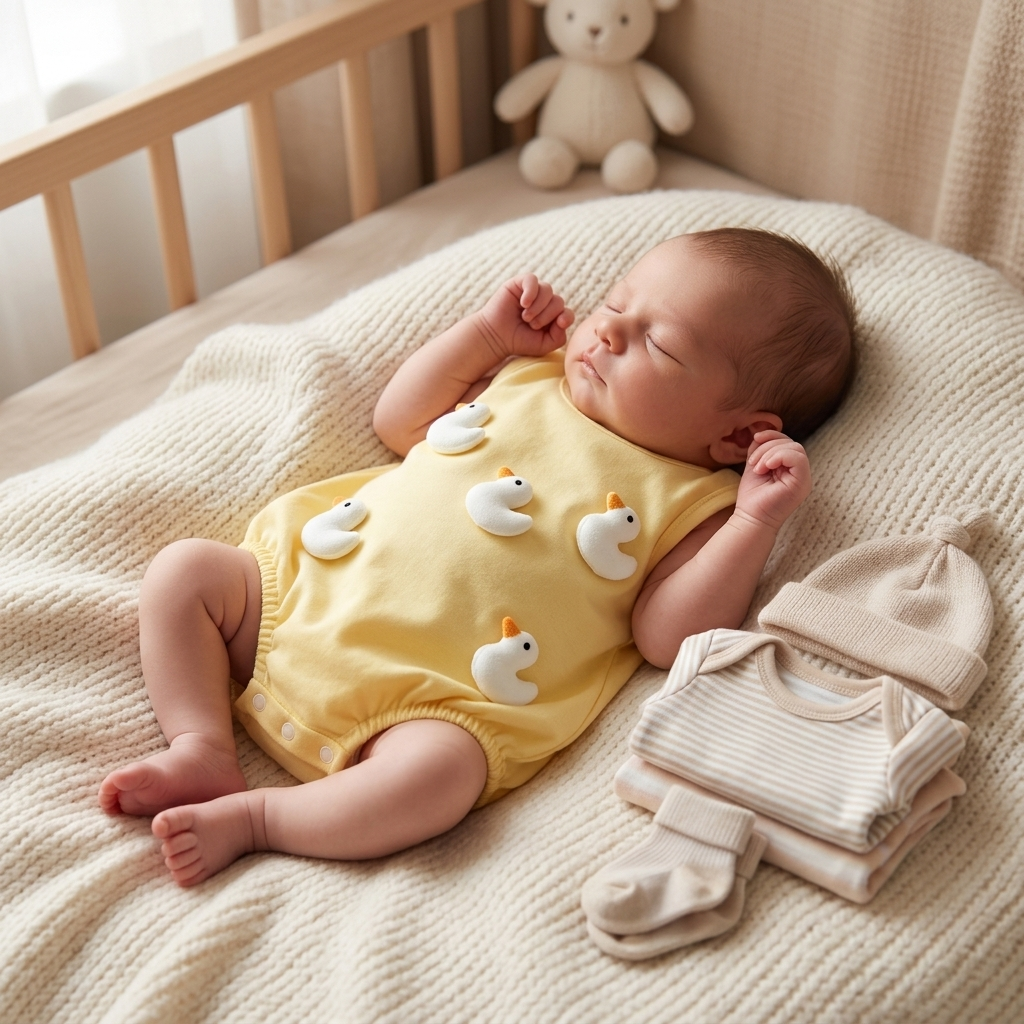
What Features to Prioritise
For an early or small baby, the design matters as much as the size:
- Front-opening, snap-fastened: Easiest to put on a small baby, and essential if there's any monitoring or feeding equipment (see our NICU clothing guide).
- Soft, seam-light pure cotton: Delicate skin needs the gentlest fabric and flat seams (see our best fabrics guide).
- Simple, quick changes: Minimal fastenings; nothing pulled over the head.
- A little growing room is fine: A slightly roomy preemie piece that still fastens beats one that's too big and swamps them.
If You’re Shopping Before the Birth
If you've been warned of an early arrival but the baby hasn't come yet, you can't know the exact weight — so shop lightly and flexibly:
- Buy a small preemie starter set and a newborn set, rather than committing to one size.
- Check the returns policy so you can adjust once your baby arrives and you know their weight.
- Don't over-prepare. A handful of the right pieces beats a full wardrobe bought blind — you can order more within days once you know.
- Prioritise the practical over the pretty for the first weeks: soft, easy-open basics.
Don’t Forget the Bits That Aren’t Sizes
- Hats: Small babies lose heat through the head; a couple of soft preemie hats help.
- Scratch mittens: If appropriate for your baby's stage.
- A soft muslin or blanket: Endlessly useful, and a comfort item for skin-to-skin (see our muslin edit).
The Bottom Line
When a baby comes early, buy by weight not age, start with a small set in preemie and newborn sizes rather than over-buying, and prioritise soft, front-opening, snap-fastened cotton. If you're shopping before the birth, buy lightly and flexibly and top up once you know your baby's weight. The right few pieces in the right size beat a full wardrobe bought on a guess — every time.
Start with our preemie clothing size chart to shop by weight, see our guide to when a preemie fits newborn clothes, and browse soft, easy-open pieces in our collections. This article is general information, not medical advice — follow your baby's medical team on anything health-related.