


Sitting independently is one of the most transformative milestones of the first year. Before sitting, the world comes to baby. After sitting, baby can engage with the world on their own terms — reaching for toys, turning to look at things, and interacting with their environment in ways that weren't possible before. Here's the complete guide to when sitting develops, what precedes it, and how to support it.
When Do Babies Start Sitting Up?
Independent sitting typically develops in stages between 4 and 8 months:
| Stage | Typical Age | What It Looks Like |
|---|---|---|
| Sitting with full support | 0–4 months | Held upright by a caregiver; head needs support too |
| Sitting propped (tripod sitting) | 4–6 months | Sits upright with hands on floor for support; leans forward |
| Sitting with light support | 5–6 months | Sits with minimal propping; parent hand nearby but not holding |
| Sitting independently | 6–8 months | Upright without any support; hands free to play |
| Transitioning in and out of sitting | 7–9 months | Getting into and out of sitting position independently |
The average for fully independent sitting is around 6 months, but the normal range is broad. A baby sitting at 5 months and one sitting at 8 months are both within normal developmental parameters. What matters more than the exact timing is the progression — is each stage building on the previous one?
What the Body Needs to Sit Independently
Independent sitting looks simple but demands significant physical development across several systems:
- Core strength: The deep abdominal and back muscles must be strong enough to hold the trunk upright against gravity without assistance. This is built through months of tummy time and floor play.
- Head control: Complete head control is a prerequisite — baby must be able to hold their head steady while the trunk adjusts. See our guide on when babies hold their head up.
- Hip stability: The hip flexors and extensors must work together to maintain a stable pelvic base for the trunk to sit on.
- Balance responses: The protective extension reflex — throwing arms out to catch a fall — must be active and reliable in all directions before independent sitting is safe.
- Visual processing: The visual system contributes significantly to balance and upright posture. Visual development and sitting development track each other closely.
How to Encourage Sitting Development
- Tummy time from birth: The single most effective intervention for all gross motor milestones including sitting. The core and upper body strength built during tummy time directly enables sitting.
- Supported sitting practice: Once baby can hold their head steady (around 3–4 months), short periods of supported sitting — in your lap, in a Bumbo with supervision, propped with pillows — give them the sensation and muscle challenge of the upright position.
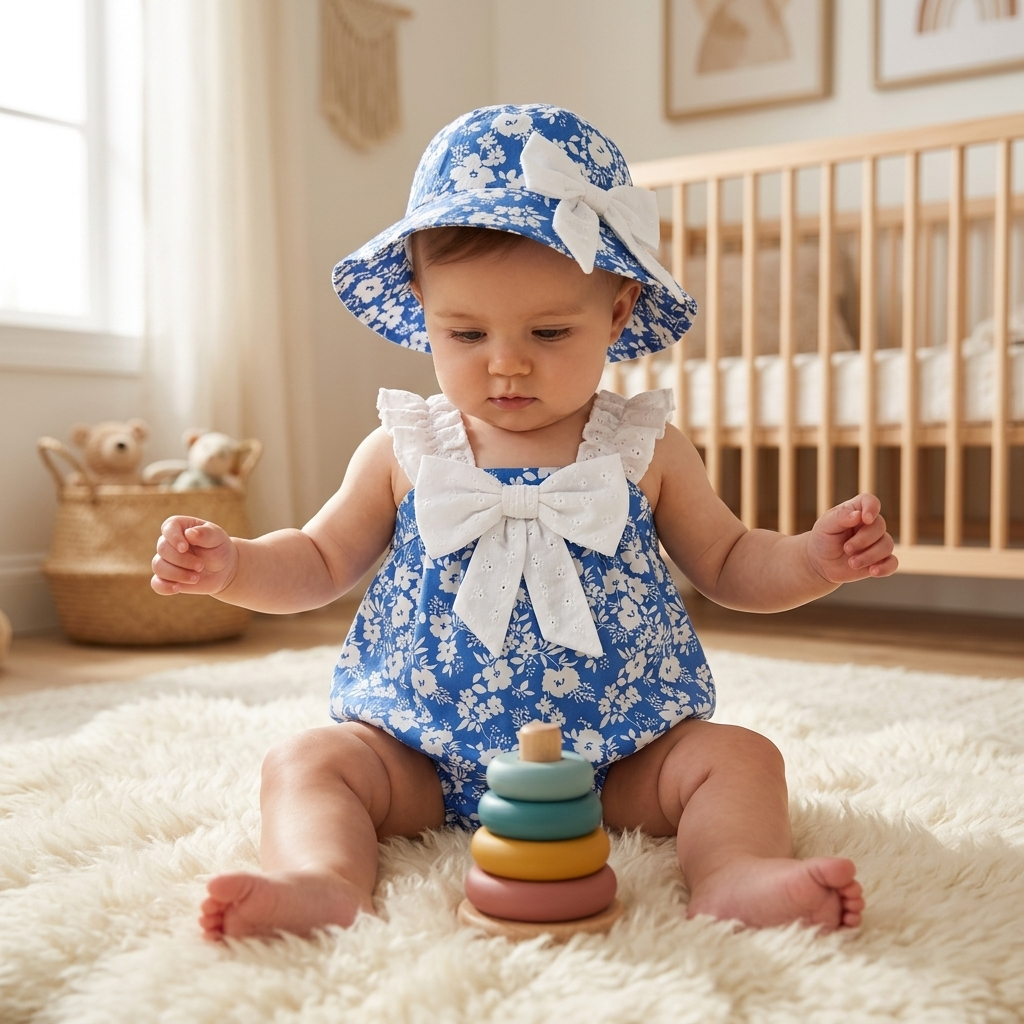
- Tripod sitting with toys: Place a toy between baby's legs while they sit tripod-style. This gives them a reason to stay upright while their hands are slightly free, building confidence in the position.
- Sitting on your lap: Holding baby on your lap facing outward, with your hands ready to catch but not actively holding, gives the experience of upright sitting with safety built in.
- Reduce time in bouncers and seats: Extended time in reclined devices doesn't challenge the core muscles that sitting requires. Floor time is more developmental.
The Boppy and Bumbo Question
Sitting aids like Boppy rings and Bumbo seats can be useful for short, supervised practice sessions from around 4 months. A few important considerations:
- Use only on the floor, never on an elevated surface — babies can tip out
- Supervise constantly; do not leave baby in these devices unattended
- These devices support sitting but don't develop the balance responses needed for independent sitting — supplement with, not replace, free floor practice
- Time-limit use: 10–15 minutes maximum per session
Sitting Safety and Environment
Once baby is attempting independent sitting:
- Always sit them on a soft surface (carpet, play mat, sheepskin rug) — they will topple, and falls to hard surfaces from sitting height can be surprisingly impactful
- Clear a radius around them — toys with sharp edges or hard corners should not be within fall distance
- Stay within arm's reach until balance is reliable across all directions
What to Dress a Sitting Baby In
Sitting opens up new clothing options that don't work as well for floor-lying babies. Dresses and skirts work beautifully for sitting; they don't restrict movement and photograph wonderfully. For floor-level sitting sessions, the main considerations are:
- Nothing that bunches awkwardly at the hips or waist when seated
- Soft waistbands that don't dig in during extended sitting
- A bodysuit as the base layer keeps the torso covered regardless of position
For the full first-year dressing guide by milestone, see our milestone outfit guide. For the complete developmental context of where sitting fits, see our baby milestones by week guide and our article on when babies start crawling — the milestone that typically follows sitting.
When to Speak to a Pediatrician
Discuss with your pediatrician if, by 9 months, baby is not sitting independently or showing clear progression toward it. Also flag if baby cannot sit even with hand support by 6 months, or if sitting ability appears to regress. Well-child visits at 6 and 9 months include motor screening — these are the right moments to raise any concerns you've been tracking.