


Shopping for your first baby's wardrobe is one of pregnancy's great joys — and one of its easiest places to overspend and end up with clothes your baby barely wears. Most new parents make the same handful of mistakes, and every one is easy to sidestep once you know it. Here are the most common baby clothes shopping mistakes, and how to avoid them.
1. Buying too much newborn size
It's the classic slip: stocking up on adorable newborn-size pieces before birth. Many babies are only in newborn size for a week or two, and some skip it entirely. Buy just a few newborn items (more only if your baby is expected to be small) and lean into 0-3 months, which lasts far longer. Our guides to newborn vs 0-3 months and how many baby clothes you really need break it down.
2. Trusting the label instead of the weight chart
Sizes vary a lot between brands — one label's “0-3M” can run bigger or smaller than another's. Always check the specific size-and-weight chart rather than the age on the tag, especially if your baby is petite or arrived early. Our baby clothing size chart sorts sizes by weight to take out the guesswork.
3. Not shopping for the right season and size
A baby born in winter won't be a newborn come summer — they'll be in 6-9 month sizes. Think about which size your baby will be in for each season, not just their birth month, so you're not left with a drawer of warm sleepsuits they'll never fit in the heat. Our pregnancy shopping guide helps you time it.
4. Choosing fussy designs over easy fastenings
That outfit with buttons up the back looks sweet on the hanger — and becomes a nightmare at 3 a.m. with a wriggly, crying baby. Prioritise front snaps, zips, and wide neck openings that make dressing and diaper changes quick and painless.
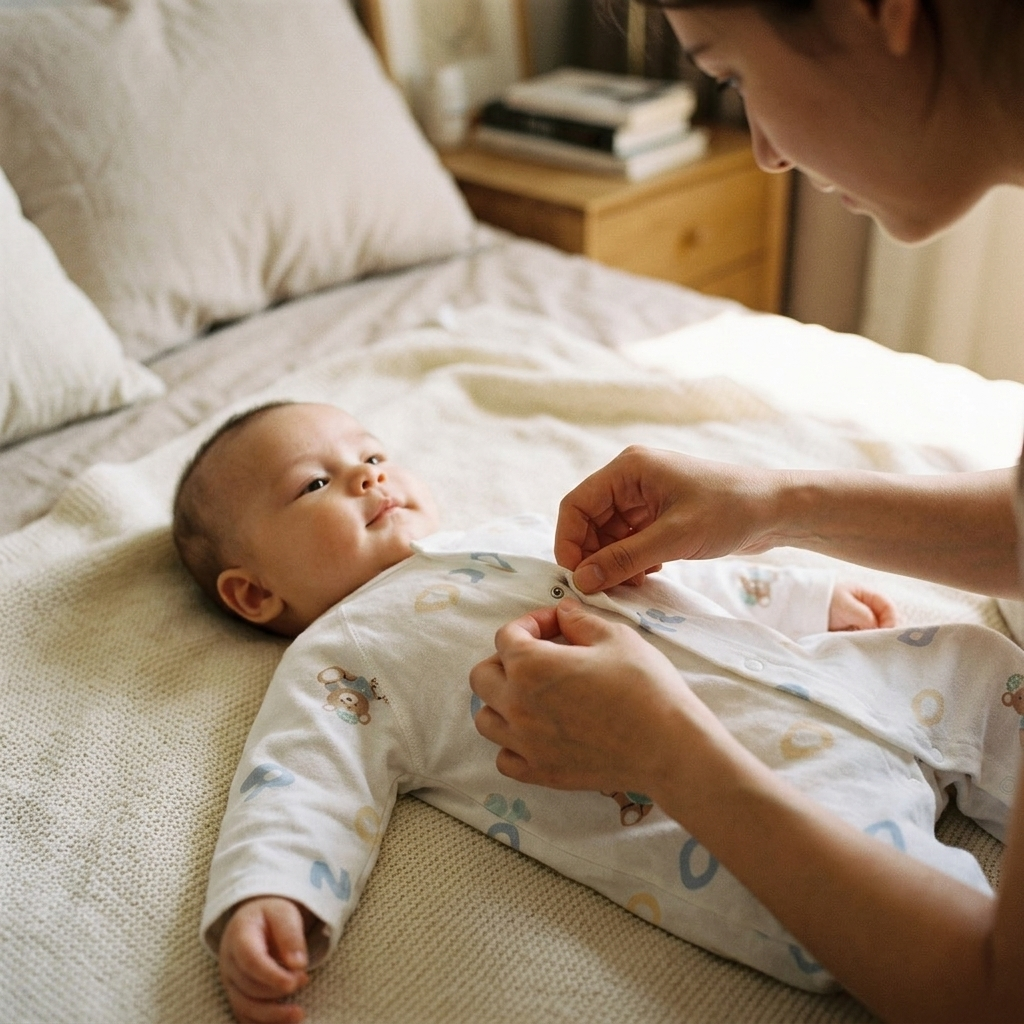
A full-snap piece like our ABC Bear Full-Snap Cotton Sleepsuit is exactly the kind of practical design worth prioritising — it opens flat for effortless changes, no wrestling required.
5. Skimping on fabric quality
Cheap, synthetic fabrics can trap heat and irritate a baby's delicate, reactive skin. Soft, breathable natural fibres — cotton, muslin, bamboo — are worth prioritising for the pieces worn against the skin. When it comes to organic cotton baby clothes, the reduced chemical residues are especially kind to newborns and sensitive skin.
6. Overlooking safety details
In the excitement of cute prints, it's easy to miss the details that matter: avoid neck or hood drawstrings, loose buttons or decorations that could detach, and anything too tight or too loose for safe sleep. Our baby clothes safety guide covers what to watch for.
7. Buying too many “special occasion” outfits
Those tiny party outfits are tempting — but babies live in soft everyday basics, and grow out of the fancy pieces before they get much wear. Build the bulk of the wardrobe from comfortable bodysuits, sleepsuits, and rompers, and keep occasion outfits to a minimum.
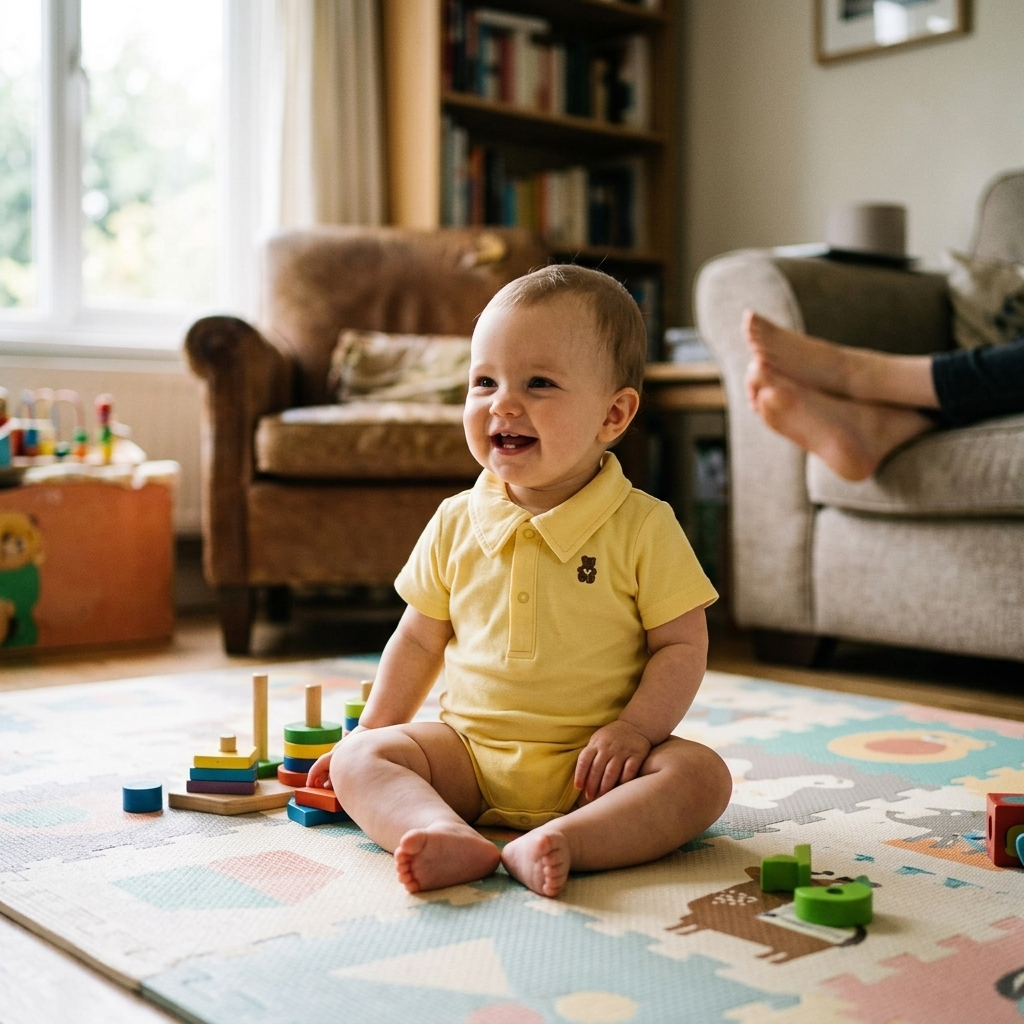
An easy, everyday piece like our Baby Polo Romper is the kind of soft, comfortable staple babies actually live in — the real workhorses of the wardrobe.
8. Forgetting to wash before the first wear
New clothes can carry manufacturing residues, so always wash everything in a gentle, fragrance-free detergent before it touches your baby's skin. It's a small step that protects sensitive skin from day one.
Your quick pre-shop checklist
- Go easy on newborn size; lean into 0-3 months.
- Check the weight chart, not just the age label.
- Match sizes to the season your baby will be in.
- Prioritise front snaps and zips over fussy fastenings.
- Choose soft, breathable natural fabrics.
- Check for safety: no drawstrings or loose parts.
- Buy mostly everyday basics, few occasion pieces.
- Wash everything before first wear.
Frequently asked questions
What's the most common baby clothes mistake? Buying too much newborn size — babies grow out of it fast, and many skip it altogether.
How many baby clothes do I actually need? Fewer than you'd think — a handful of bodysuits, sleepsuits, and everyday pieces per size covers most needs.
Should I buy ahead in bigger sizes? A little, yes — but match bigger sizes to the season your baby will actually be in, so they fit when the weather's right.
The bottom line
The happiest baby wardrobes aren't the biggest — they're the best planned. Go easy on newborn size, shop by weight and season, choose soft fabrics and easy fastenings, mind the safety details, and lean into everyday basics over occasion pieces. Avoid these common mistakes and you'll spend less, waste less, and have exactly what your baby needs, right when they need it.