


Dressing one baby is a lot. Dressing two — whether twins or siblings close in age — comes with its own puzzles: do you match them or not, how do you tell whose clothes are whose, and how do you clothe two fast-growing babies without doubling the chaos and the cost? The good news is that a little strategy makes it genuinely manageable, and even fun. Here's a practical guide to dressing twins or two babies close in age.
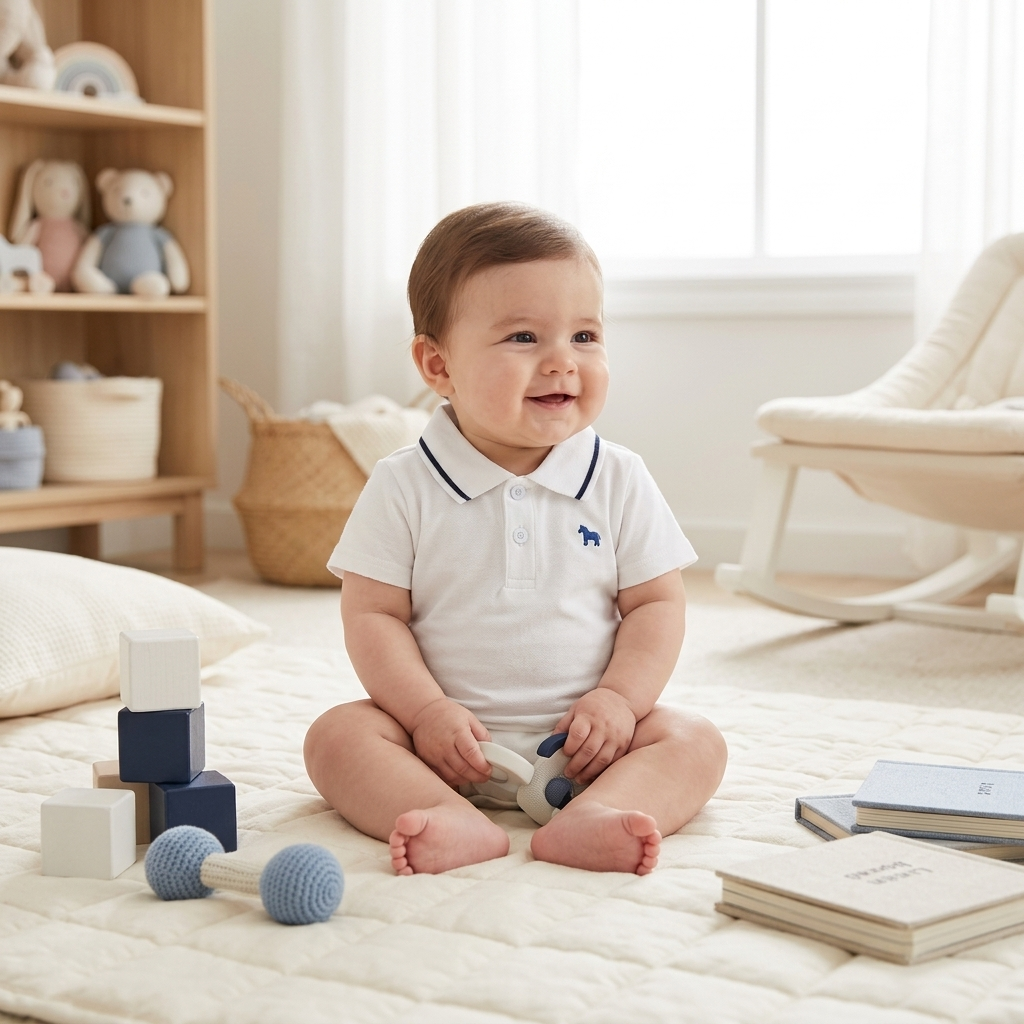
To Match or Not to Match?
There's no right answer — only what suits your family — but it helps to know the three common approaches:
- Identical (matching): Undeniably adorable, especially for photos and outings, and simple to shop for. The downside: it can blur the babies' individuality, and some twins later dislike having been dressed the same.
- Coordinating (the sweet spot for many): Same palette or theme, different pieces — one in stripes, one in a solid from the same colour family. They look pulled-together in photos while keeping their own identity, and it's easy to tell them apart.
- Completely individual: Each baby has their own style. Maximum individuality; slightly more to think about when shopping and coordinating.
Many parents mix approaches — coordinating day to day, matching for special occasions, individual as the babies grow into preferences.
Telling Their Clothes (and Them) Apart
- Assign a colour to each baby: A classic twin hack — one baby's pieces in cooler tones, the other's in warmer, makes sorting laundry and dressing instant.
- Use different sizes if they differ: Twins are often different sizes; keep each baby's size grouped and labelled (see our size chart).
- Label or mark: A small mark or initial inside the label helps when pieces are otherwise identical.
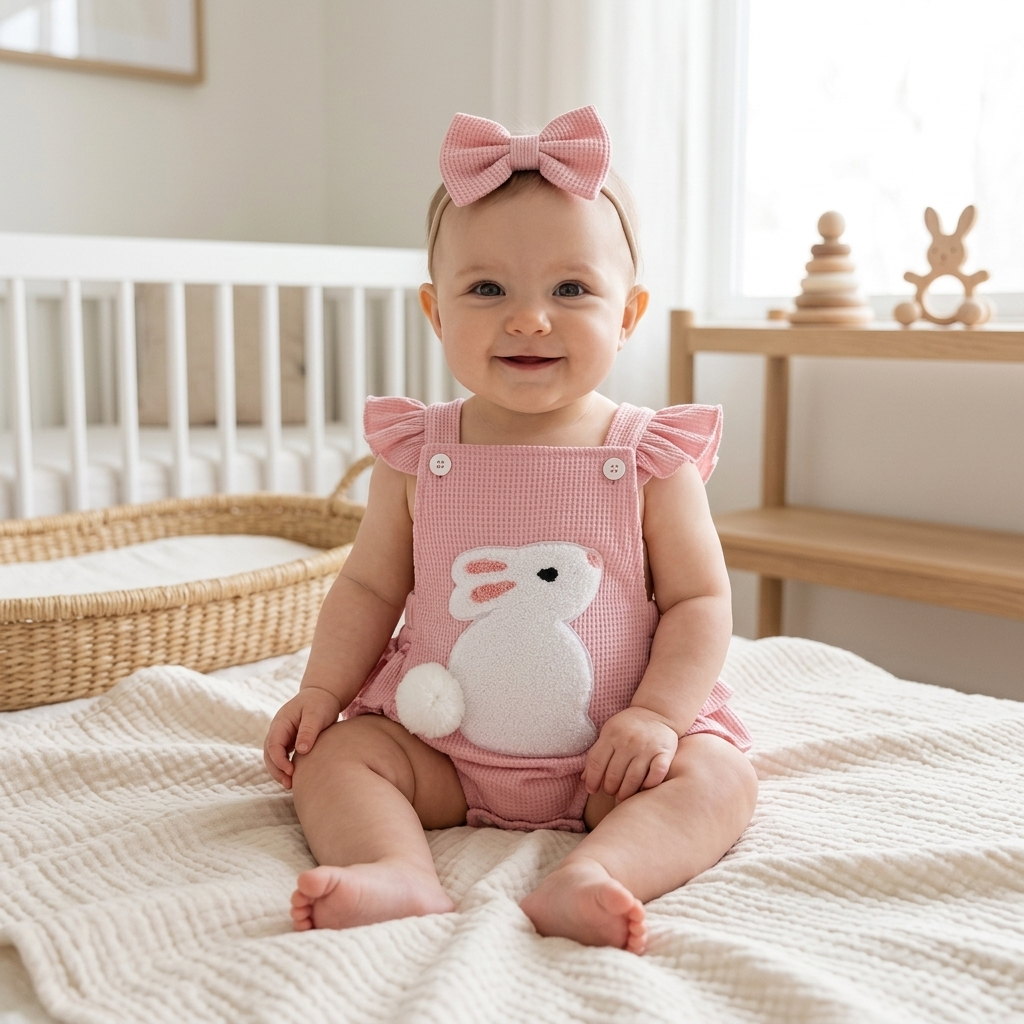
Practical Strategies for Two
- Prioritise easy-change designs: With twice the nappy changes, front-opening poppers and simple fastenings save real time and stress.
- Buy a shared, versatile palette: A coordinated colour scheme across both wardrobes means everything mixes — fewer pieces, more combinations (see our capsule wardrobe guide).
- Don't over-buy the small sizes: Two babies means double the outgrowing — buy the earliest sizes sparingly (see our layette checklist).
- Lean on hand-me-downs between them: With siblings close in age, the younger can inherit the elder's clothes — buy quality that lasts two rounds (see our hand-me-downs guide).
- Keep laundry manageable: More babies means more washing — a colour-per-baby system and simple, durable fabrics make it easier (see our washing guide).
Saving Money with Two
Clothing two babies at once is where costs add up fastest, so a few habits pay off: buy versatile mix-and-match basics rather than lots of one-off outfits, choose durable fabrics that survive being worn by both babies in turn, accept and pass on hand-me-downs, and resist the temptation to double up on adorable pieces they'll wear once. Quality basics in a shared palette stretch furthest across two wardrobes (see our best fabrics guide).
The Bottom Line
Dressing twins or two babies close in age comes down to a few smart choices: pick a matching, coordinating, or individual approach that suits your family; assign each baby a colour to keep things straight; prioritise easy-change designs and a shared versatile palette; and buy durable basics that hand down between them. Get that right and clothing two becomes not just manageable but one of the sweetest parts of it.
Browse our soft, coordinating rompers and everyday basics in the collections, and see our capsule wardrobe guide to build two wardrobes that work together.